




What Sterilizer Handles Several Baby Bottles Together?


You’ll want a multi-bottle steam sterilizer designed to handle several baby bottles and accessories at once, boosting your efficiency by sterilizing up to six bottles in one cycle. These devices use steam to eliminate 99.9% of harmful germs in about 8-10 minutes and keep contents sterile for up to 24 hours if closed. Many models also dry bottles and include safety features like auto shut-off. Discover key features and top models to simplify your sterilizing routine.
Table
- Main Points
- Benefits of Multi-Bottle Steam Sterilizers
- How Steam Sterilization Works for Baby Bottles
- Capacity Considerations for Sterilizing Multiple Bottles
- Features to Look for in a Multi-Bottle Sterilizer
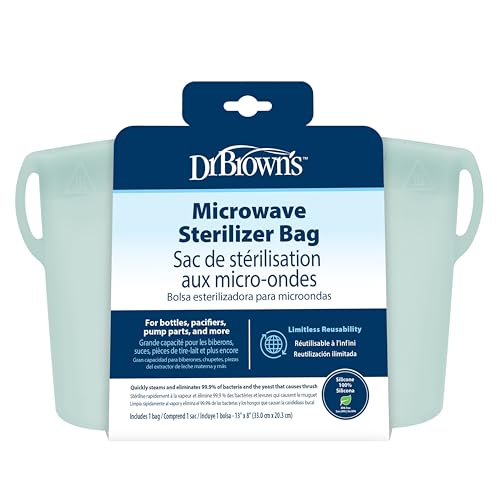
- Comparing Electric Steam and Microwave Sterilizers
- The Role of Drying Functions in Bottle Sterilizers
- Safety Features That Protect You and Your Baby
- Cleaning and Maintenance Tips for Sterilizers
- How Often Should You Sterilize Baby Bottles?
- Choosing the Right Sterilizer Based on Family Size
- User Experience: What Parents Say About Multi-Bottle Sterilizers
- Energy Efficiency and Environmental Impact of Sterilizers
- Sterilizing Other Baby Items Alongside Bottles
- Troubleshooting Common Sterilizer Issues
- Top Multi-Bottle Sterilizer Models Recommended by Experts
- Frequently Asked Questions
- Final Thoughts
Main Points
- Multi-bottle steam sterilizers can sterilize up to six standard-sized baby bottles and accessories simultaneously.
- Adjustable trays in these sterilizers accommodate different bottle sizes and shapes for versatile sterilization.
- Popular models include Dr. Browns All-in-One Sterilizer, Philips Avent Microwave Sterilizer, and Baby Brezza SUPERFAST.
- Sterilization cycles typically last 8 to 10 minutes, effectively killing 99.9% of bacteria and germs.
- Some sterilizers combine drying functions, completing sterilization and drying in as little as 10 minutes.
Benefits of Multi-Bottle Steam Sterilizers
When you need to sterilize multiple baby bottles and accessories quickly, multi-bottle steam sterilizers offer an efficient solution.
These devices can handle up to six bottles and accessories at once, streamlining your sterilization process and saving valuable time.
By using steam, they eliminate 99.9% of harmful bacteria, mold, and yeast, ensuring items are hygienically safe for babies.
The sterilized contents stay sterile for up to 24 hours if the lid remains closed, giving you peace of mind between feedings.
Sterilized items remain germ-free for up to 24 hours when the lid stays securely closed.
Compact and countertop-friendly, multi-bottle steam sterilizers fit easily in your kitchen without clutter.
Many models also feature user-friendly controls and fast cycle times, often completing sterilization in under 10 minutes, making them ideal for busy caregivers committed to providing clean, safe feeding essentials.
How Steam Sterilization Works for Baby Bottles

Understanding how steam sterilization works for baby bottles helps you appreciate the efficiency behind multi-bottle steam sterilizers.
These devices heat water to generate steam, which kills 99.9% of bacteria, mold, and yeast in about 8 to 10 minutes. You can sterilize up to six standard-sized bottles simultaneously, along with accessories like breast pump parts and pacifiers. Many sterilizers, such as Dr. Brown's All-in-One, feature intuitive electronic controls that make the sterilization process simple and user-friendly.
Some models combine a sterilizer and dryer function, ensuring bottles are ready for immediate use without moisture. Additionally, certain steam sterilizers include HEPA filters that capture up to 95% of airborne particles, enhancing sterilization effectiveness.
Once the cycle completes, the contents remain sterile for up to 24 hours if you keep the lid closed, providing extended protection and peace of mind while caring for infants.
Capacity Considerations for Sterilizing Multiple Bottles

Since managing multiple bottles can quickly become overwhelming, choosing a sterilizer with ample capacity is crucial for efficiency and convenience. A sterilizer that handles six standard bottles at once, like the Dr. Browns All-in-One Sterilizer, makes cleaning easy and saves time. Its adjustable trays also allow simultaneous sterilization of accessories, enhancing versatility.
| Feature | Capacity | Benefit |
|---|---|---|
| Bottle Capacity | Up to 6 standard bottles | Sterilize multiple bottles easily |
| Adjustable Trays | Yes | Fits larger items, e.g., pump parts |
| Sterilization Time | Approximately 8 minutes | Quick process for busy parents |
Selecting a sterilizer with these capacity features guarantees you can serve your family’s needs efficiently without frequent cycles.
Features to Look for in a Multi-Bottle Sterilizer

When choosing a multi-bottle sterilizer, you’ll want to focus on capacity and size to fit all your bottles comfortably.
Prioritize models that use steam sterilization for maximum efficiency in killing germs.
Also, look for features that make the sterilizer easy to use, like adjustable trays and automatic shut-off for safety.
Capacity and Size
Choosing a sterilizer that can accommodate multiple bottles at once can save you valuable time and effort.
When evaluating capacity and size, look for models like the Dr. Browns All-in-One Sterilizer and Dryer, which handles up to six standard baby bottles simultaneously.
Adjustable trays add versatility, letting you sterilize various bottle sizes and accessories such as breast pump parts and pacifiers.
At the same time, a compact design guarantees the unit fits comfortably on your countertop without crowding your kitchen space.
Prioritizing these features means you can efficiently care for your baby’s feeding needs while maintaining a tidy, organized area.
Ultimately, balancing capacity and size helps you serve your family effectively, making daily sterilization straightforward and manageable.
Sterilization Efficiency
A top-performing sterilizer should efficiently handle multiple bottles while eliminating 99.9% of bacteria, mold, and yeast through steam sterilization. Choosing a bottle sterilizer that completes the sterilization process quickly—often within 8 to 10 minutes—guarantees your baby’s feeding items are ready when needed. Look for adjustable trays to fit various sizes and guarantee sterility lasts up to 24 hours if the lid stays closed. Some devices can also sanitize pacifiers and pump parts, adding extra value for parents managing several feeding accessories.
| Feature | Benefit | Example Model |
|---|---|---|
| Multiple bottle capacity | Sterilizes several bottles at once | Dr. Brown's All-in-One Sterilizer |
| Steam sterilization | Eliminates 99.9% of germs | Most modern sterilizers |
| Quick cycle time | Ready in 8-10 minutes | Various brands |
| Adjustable trays | Fits larger items | Select multi-use sterilizers |
| Sterility duration | Keeps contents sterile 24 hours | Dr. Brown's model |
Ease of Use
Although sterilization efficiency is essential, ease of use plays an equally important role in selecting a multi-bottle sterilizer.
You’ll want a model designed to handle multiple bottles and accessories simultaneously, with adjustable trays for larger items like breast pump parts.
Look for easy-touch electronic controls and clear cycle indicators to guarantee straightforward operation, saving you time and effort.
A quick cycle time of about 8-10 minutes helps you sanitize baby items efficiently, fitting well into your busy schedule.
Additionally, an automatic shut-off feature enhances safety and convenience by powering down the device when the cycle ends.
Some sterilizers even keep contents sterile for up to 24 hours with the lid closed, giving you flexibility in managing feeding times without compromising hygiene.
Comparing Electric Steam and Microwave Sterilizers

When you need to sterilize baby bottles efficiently, electric steam and microwave sterilizers both offer effective solutions but differ in capacity, cycle time, and features. An electric steam sterilizer can handle up to six standard bottles and bottle parts simultaneously, while microwave sterilizers accommodate about four. Electric models typically run for 8-10 minutes and may include drying and air filtration, keeping items sterile longer. Microwave sterilizers work faster, completing cycles in 5-10 minutes, and are more portable and compact. Consider these distinctions:
- Larger capacity with electric steam sterilizers
- Faster cycles with microwave sterilizers
- Added drying features in electric units
- Portability advantages in microwave models
- Both eliminate 99.9% of bacteria effectively
Choose the option that best fits your routine and space.
Select the sterilizer that aligns perfectly with your daily needs and available space.
The Role of Drying Functions in Bottle Sterilizers
Beyond sterilization, drying functions play a key role in keeping baby bottles safe and ready for use.
The drying function in a sterilizer removes residual water that could promote bacterial growth after sterilization. Many modern sterilizers use hot, filtered air to dry bottles and accessories thoroughly, typically completing this cycle in about 40 minutes.
Efficient drying guarantees bottles remain sterile for up to 24 hours when the lid stays closed. Some advanced models, like the Baby Brezza SUPERFAST Sterilizer Dryer, combine rapid sterilization and drying in just 10 minutes, saving you valuable time.
Proper drying also prevents leftover milk residue from burning, preserving hygiene and protecting your baby’s health.
Choosing a sterilizer with an effective drying function is essential for safe, convenient bottle care.
Safety Features That Protect You and Your Baby
You’ll appreciate safety features like overheat prevention mechanisms that automatically shut off the sterilizer to avoid accidents.
Cool-touch handles and a secure lid locking system protect you from burns and spills during use.
These thoughtful designs guarantee both you and your baby stay safe throughout the sterilization process.
Overheat Prevention Mechanisms
Although sterilizing baby bottles is essential for your infant’s health, safety during the process is equally important.
Overheat prevention mechanisms like the automatic shut-off feature guarantee safe operation by stopping the device if it gets too hot. This protects both you and your baby from burns or damage. You can trust a sterilizer that prioritizes safety without sacrificing effectiveness.
Key safety features include:
- Automatic shut-off to prevent overheating
- Steam sterilizing eliminating 99.9% of harmful bacteria
- Cool-touch handles and lid for burn protection
- HEPA filters capturing up to 95% of airborne particles
- Durable construction designed for safe, regular use
These elements work together to provide peace of mind while serving your family’s needs.
Cool-Touch Exterior Design
Three key features of the Dr. Browns sterilizer focus on safety, especially its cool-touch exterior design. This design keeps the surface safe to touch during operation, preventing burns. Cool-touch handles let you open the sterilizer without heat risks. Plus, its automatic shut-off enhances safety by preventing overheating. The BPA-free plastic adds another layer of protection for you and your baby.
| Feature | Benefit | Safety Impact |
|---|---|---|
| Cool-Touch Exterior | Surface stays cool | Prevents burns |
| Cool-Touch Handles | Safe opening during use | Reduces heat exposure risk |
| Automatic Shut-Off | Stops operation when done | Prevents overheating accidents |
Secure Lid Locking
A secure lid locking mechanism plays an essential role in the Dr. Browns All-in-One sterilizer, protecting both you and your baby by ensuring safety and sterility.
This feature keeps the lid firmly sealed during sterilization and drying, preventing accidental openings that could expose bottles to harmful bacteria.
With this secure lid locking, the sterilizer maintains sterility for up to 24 hours if unopened, giving you peace of mind.
Key safety benefits include:
- Prevents accidental lid openings during cycles
- Maintains sterility by sealing out harmful bacteria
- Supports automatic shut-off to avoid overheating
- Enables sterilizing up to six bottles at once
- Uses BPA-free materials for chemical safety
You can confidently serve your family knowing the sterilizer’s safety features work tirelessly for you.
Cleaning and Maintenance Tips for Sterilizers
Maintaining your baby bottle sterilizer guarantees it works effectively and lasts longer. For proper cleaning and maintenance, regularly run an empty cycle with water to flush out residue.
Prevent scale buildup by descaling with a vinegar-water solution as your manual suggests, then run a plain water cycle to rinse.
Don’t forget to clean the detachable water reservoir frequently to inhibit bacteria and mold growth. If your sterilizer features a HEPA filter for drying, check it every six months and replace it if necessary to uphold air quality.
Always follow the specific cleaning and maintenance instructions in your sterilizer’s user manual—this guarantees you address any model-specific needs and keep your sterilizer performing at its best while serving your baby safely.
How Often Should You Sterilize Baby Bottles?
You should sterilize baby bottles daily for infants up to three months old, especially if they’re premature or sick.
After that, weekly sterilization combined with thorough washing is usually enough.
Understanding when to sterilize helps protect your baby while preserving your bottles’ durability.
Sterilization Frequency Guidelines
Frequently sterilizing baby bottles is essential during your infant's early months to prevent harmful bacteria buildup.
For babies under three months, use a sterilizer without hesitation to clean bottles and pump parts once daily.
As your baby grows, sterilizing weekly suffices unless illness or prematurity requires more care.
You don’t need to keep sterilizing after every use if you wash thoroughly with hot, soapy water.
Remember, sterilized items stay safe up to 24 hours if the sterilizer lid remains closed.
- Sterilize daily for infants under 3 months
- Sterilize weekly for babies 3-6 months
- Sterilize more often if baby is sick or premature
- Wash bottles and pump parts well between sterilizations
- Keep sterilizer closed to maintain sterility up to 24 hours
Sterilizing Premature Babies
When caring for premature babies, sterilizing feeding items daily remains a top priority due to their developing immune systems. You should wash bottles thoroughly in hot, soapy water before sterilization, as residue can hinder effective cleaning. Using steam sterilization is highly recommended because it efficiently eliminates harmful bacteria without chemicals. After sterilizing, make certain to dry your bottles completely to prevent moisture buildup that could encourage bacterial growth. For premature infants, sterilize feeding items after each use, especially within the first three months. This daily routine greatly reduces the risk of infections and supports their fragile health. By maintaining strict sterilization practices, you guarantee a safer feeding environment and promote better well-being for these vulnerable babies.
Daily Vs Weekly Sterilization
Although sterilizing baby bottles is essential for your infant’s health, the frequency depends on your baby's age and health status. For newborns up to 3 months, daily vs weekly sterilization matters greatly—daily sterilization is recommended to minimize infection risk. Beyond that, weekly sterilization suffices unless your baby is premature or ill, which increases the need to run sterilization cycles more often. Remember, after sterilization, bottles stay sterile up to 24 hours if the lid remains closed. To maintain safety, wash hands and clean bottles thoroughly before sterilizing. Consider this sterilization frequency:
- Sterilize daily for infants under 3 months
- Sterilize weekly for healthy babies over 2 months
- Increase frequency for premature or sick infants
- Keep sterilizer lid closed after use
- Wash bottles and hands before sterilizing
This approach balances safety with practicality.
Choosing the Right Sterilizer Based on Family Size
Since your family's size directly impacts how often and how much you need to sterilize, choosing the right sterilizer is vital.
Look for models with ample capacity that can handle multiple bottles and accessories simultaneously, such as those accommodating up to six standard-sized bottles.
Choose sterilizers with ample capacity to handle multiple bottles and accessories at once for efficiency.
If you have multiples or larger items like breast pump parts, consider sterilizers with adjustable trays to maximize space and efficiency.
Also, evaluate your kitchen space to guarantee the sterilizer fits comfortably without crowding your counters.
Some compact designs offer high capacity while fitting under cabinetry, making them ideal for busy households.
Selecting a sterilizer that maintains sterility for up to 24 hours if unopened can further streamline your routine, providing quick access during hectic feeding times.
Prioritize capacity, versatility, and space to meet your family's unique needs.
User Experience: What Parents Say About Multi-Bottle Sterilizers
If you juggle multiple bottles and accessories, you'll find multi-bottle sterilizers like the Dr. Browns All-in-One Sterilizer and Dryer invaluable.
Parents appreciate how these devices streamline sterilization, making your caregiving routine smoother. Users often mention:
- Sterilizing up to six bottles simultaneously
- Keeping bottles sterile for up to 24 hours with a closed lid
- Completing sterilization in as little as 8 to 10 minutes
- Handling various items, including breast pump parts and pacifiers
- Requiring careful loading to maintain tray stability
These points highlight how multi-bottle sterilizers support your goal of serving your family efficiently.
By reducing time and effort spent on sterilization, you can focus more on nurturing and less on cleaning, ensuring every feeding is safe and hygienic.
Energy Efficiency and Environmental Impact of Sterilizers
Beyond making your routine more efficient, choosing the right sterilizer also impacts energy consumption and the environment. Many modern sterilizers use steam sterilization, which boosts energy efficiency by consuming less power while killing 99.9% of bacteria. Devices combining sterilization and drying functions reduce the need for multiple appliances, lowering electricity use and environmental impact. HEPA filters improve indoor air quality by capturing pollutants, benefiting both your home and the planet. Compact designs save countertop space and optimize energy use. Regular maintenance extends device life, minimizing waste.
| Feature | Benefit | Environmental Impact |
|---|---|---|
| Steam Sterilization | Energy-efficient cleaning | Less power consumption |
| Combined Drying | Saves time and electricity | Reduces overall energy footprint |
| HEPA Filters | Improves air quality | Cuts airborne pollutants |
Sterilizing Other Baby Items Alongside Bottles
While sterilizing baby bottles is essential, you can also efficiently clean other baby items like breast pump parts, pacifiers, and teethers using a versatile sterilizer.
The Dr. Browns All-in-One Sterilizer and Dryer handles multiple bottles and accessories simultaneously with steam sterilization, eliminating 99.9% of bacteria. Its adjustable trays let you fit various items, ensuring thorough sterilization without compromising space.
Dr. Browns sterilizer efficiently steam cleans multiple bottles and accessories at once, removing 99.9% of bacteria.
You can sterilize:
- Breast pump parts
- Pacifiers
- Teethers
- Bottle nipples
- Small feeding utensils
The sterilization cycle takes about 8 minutes, making it quick and convenient.
Once sterilized, contents stay germ-free for up to 24 hours if the lid is closed. This multi-use capability supports your mission to keep all baby essentials hygienic and ready for use.
Troubleshooting Common Sterilizer Issues
Whenever your sterilizer isn't working as expected, you should first check key factors like water levels, lid closure, and filter cleanliness. Make certain the water reservoir is filled properly to allow the heating plate to generate enough steam. A securely closed lid guarantees the sterilization cycle completes without interruption. If bottles aren’t drying well, confirm the drying cycle is selected and the HEPA filters are clean, so it works great each time. For foul odors or scale buildup, run a cleaning cycle with a vinegar-water solution—this keeps the unit easy to clean and maintains peak performance. If error codes appear, consult your user manual for reset steps tailored to your model. Addressing these points helps your sterilizer handle multiple bottles efficiently and reliably.
Top Multi-Bottle Sterilizer Models Recommended by Experts
If you need to sterilize multiple bottles efficiently, choosing the right multi-bottle sterilizer is essential.
Experts recommend models that combine sterilization with a Dryer for Baby Bottles to save time and effort.
The Browns All-in-One Sterilizer stands out, handling up to six bottles and accessories simultaneously while drying them.
Philips Avent offers a microwave steam sterilizer that quickly sterilizes up to four bottles, ideal for busy parents.
Other top models include Baby Brezza SUPERFAST, Wabi Baby Electric Steam, and Munchkin Steam Microwave Sterilizers, each praised for speed, capacity, and convenience.
- Browns All-in-One Sterilizer and Dryer: sterilizes and dries six bottles
- Philips Avent Microwave Steam Sterilizer: quick sterilization for four bottles
- Baby Brezza SUPERFAST: 10-minute sterilize and dry cycle
- Wabi Baby Electric Steam Sterilizer: compact, efficient steam technology
- Munchkin Steam Microwave Sterilizer: easy to clean and store
Frequently Asked Questions
Can You Put More Than 6 Bottles in a Dr. Brown Sterilizer?
You can fit more than six bottles in the Dr. Brown sterilizer by arranging them carefully, but keep in mind the sterilizer capacity limits. For effective bottle sterilization methods, prioritize Dr. Brown efficiency to guarantee thorough cleaning.
Does the Avent Sterilizer Work With Other Bottles?
Sure, because all bottles magically fit perfectly, right? Actually, Avent compatibility is broad; its sterilizer efficiency works well with various bottle materials. Just double-check sizes to guarantee your bottles get the thorough clean they deserve.
How Many Bottles Can the Baby Brezza Sterilizer Hold?
You’ll appreciate the Baby Brezza capacity, handling up to six bottles at once. Its adjustable trays fit various baby bottle sizes, ensuring efficient bottle sterilization, so you can care for multiple feeding needs swiftly and effectively.
Do I Need to Sterilize Baby Bottles Between Each Use?
You don't need bottle sterilization frequency between each use; sterilize daily for babies under 3 months. Follow sterilization safety tips and maintain baby bottle hygiene by cleaning bottles with hot, soapy water between uses.
Final Thoughts
Choosing a multi-bottle sterilizer that fits your needs is like finding Excalibur in the world of baby care—powerful, reliable, and efficient. With the right steam sterilizer, you’ll handle multiple bottles effortlessly, ensuring your little one’s items are safe and clean. Remember to take into account capacity, features, and energy use to make the best choice. Equip yourself wisely, and you’ll conquer the daily routine with ease and confidence.
If you want to know other articles similar to What Sterilizer Handles Several Baby Bottles Together? you can visit the Bottle Sterilizers & Warmers category.
Top Eco-Friendly Baby Bottle Sterilizer Choices

10 Best Bottle Sterilizers for Newborns 2024

Best Sterilizers Compatible With Dr Brown Bottles

Best Sterilizers for Glass Baby Bottles

5 Best Fastest Bottle Warmers for Night Feeds

3 Tips to Find Budget Bottle Sterilizers for Twins

10 Best Bottle Sterilizers for Daycare Use

Top 5 Bottle Warmers With Auto Shut-Off

Top 3 UV Light Bottle Sterilizers for Babies
This is also interesting