













7 Tips for Using a Foldable Toddler Play Yard


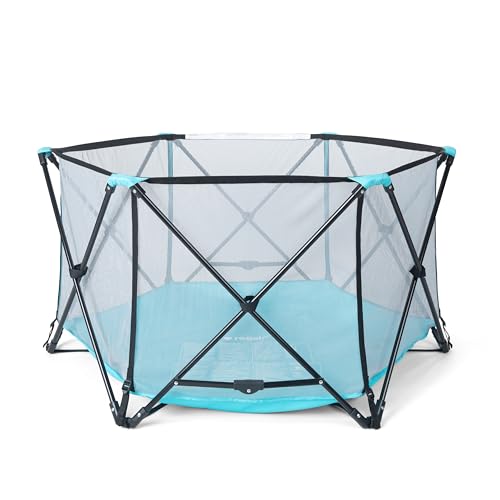
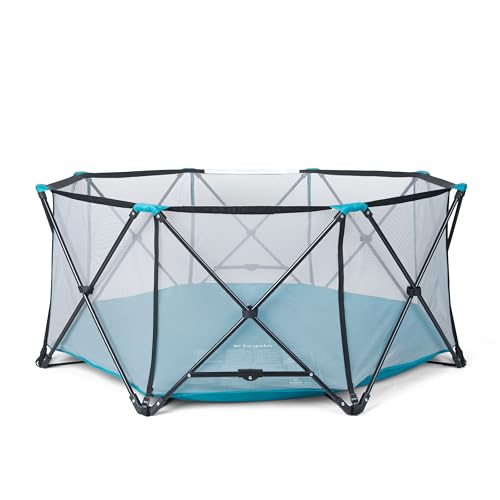
When using a foldable toddler play yard, pick a firm, flat spot with good light and away from distractions for safety and comfort. Keep diapers, toys, and snacks within easy reach to stay organized and prepared. Regularly check locks, fabric, and structure for wear or damage. Fold and move the play yard easily to fit your routine, and stay close to supervise play. Following these tips creates a safe, engaging area for your toddler—you’ll find more practical advice to make the most of your play yard.
Table
Main Points
- Place the foldable play yard on a firm, flat surface away from hazards and high-traffic areas for toddler safety.
- Regularly inspect locking mechanisms and frame joints to ensure secure setup and prevent accidents.
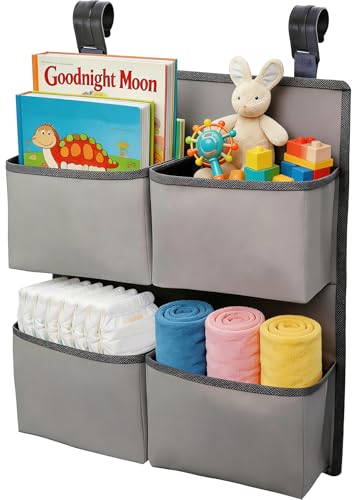
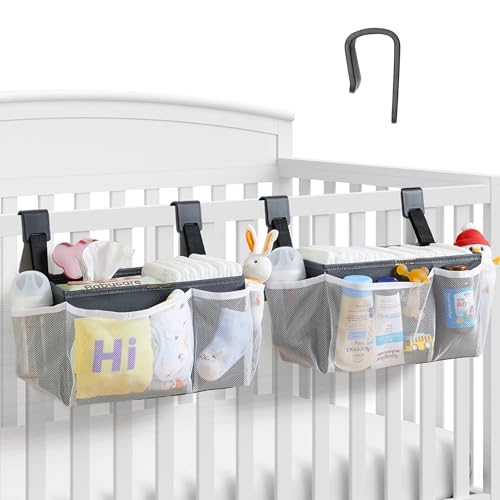
- Organize diapers, toys, and feeding supplies nearby using portable caddies or built-in pockets for convenience.
- Clean and maintain fabric and mesh regularly, checking for wear, tears, or discoloration to keep it hygienic.
- Supervise toddlers actively within the play yard to encourage safe exploration and adjust placement as needed.
Choose the Right Location for Setup
When setting up your foldable toddler play yard, choose a location that stays within your line of sight so you can easily keep an eye on your child while handling other tasks.
To guarantee safety and comfort, choose the right location in a visible area of your home. Avoid placing the play yard in high-traffic areas to reduce distractions and potential hazards. Consider that non-toxic materials are important when selecting a spot, especially if your child will spend extended time there.
Look for a spot with ample natural light and ample ventilation, creating a welcoming environment for your toddler.
While you want a flat and stable surface for the play yard, you’ll find details on that in the next section.
For added convenience, consider a spot near a power outlet if you plan to use electronic toys or baby monitors.
This thoughtful setup helps you serve your child’s needs effectively.
Ensure a Firm and Flat Surface

After picking the perfect spot for your foldable toddler play yard, make certain the surface underneath is firm and flat. This creates a safe space where your child can play without risk. Always place the play yard on a level surface to keep it securely positioned and prevent tipping. Avoid soft or uneven ground, which can cause safety hazards or instability. For added peace of mind, choose surfaces that support the anti-slip base with suction cups featured on many modern play yards. To guarantee the best setup:
Place your foldable toddler play yard on a firm, flat surface to ensure stability and safety during play.
- Choose a firm and flat surface like hardwood or tile
- Clear away debris, sharp objects, or uneven patches
- Avoid grass, sand, or soft carpets that shift easily
- Regularly check the play yard’s position after moving it
- Confirm no gaps form between the play yard and the floor
These steps help maintain stability, providing a secure and safe space for your toddler to enjoy.
Keep Essential Items Within Reach

Keep diapers, wipes, and feeding supplies close by to handle your toddler’s needs quickly without leaving the play yard.
Arrange a small basket or use built-in pockets to store toys and snacks within easy reach.
This setup helps you stay organized and lets your child enjoy playtime with favorite items nearby.
Store Diapers Nearby
Having a nearby basket or portable caddy stocked with diapers, wipes, and essentials makes diaper changes quick and hassle-free while your toddler plays safely in the foldable play yard.
To efficiently store diapers and maintain a smooth changing station, keep these tips in mind:
- Use a portable caddy for quick access and easy mobility
- Choose diaper storage that’s waterproof and easy to clean
- Position storage in a safe place within arm’s reach of the play yard
- Guarantee stability to prevent tipping hazards for curious toddlers
- Regularly restock supplies to stay prepared for any diaper changes
Keep Toys Accessible
Organizing your foldable toddler play yard goes beyond just diaper storage. To create a safe and contained space, arrange shelves or baskets at toddler height, making accessible toys easy to reach.
This setup helps promote independent play and exploration within the play area. Use clear bins or labeled storage to support your toddler’s developing organizational skills by allowing them to identify and retrieve favorite toys.
Keep essential items like soft toys, blocks, and books within arm’s reach to foster an engaging play environment. Regularly rotate these accessible toys to maintain your child’s interest and prevent overstimulation.
Consider adding a small, portable caddy for frequently used items, ensuring everything stays within reach and contributes to a well-organized, inviting play space your toddler will enjoy.
Arrange Feeding Supplies
A small storage basket or caddy inside your toddler play yard makes feeding time smoother by keeping bottles, snacks, and bibs within easy reach.
Arranging feeding supplies thoughtfully guarantees you can respond quickly to your toddler’s needs without leaving the play yard.
Here’s how to keep your feeding essentials organized for quick access:
- Use a storage basket or caddy to hold bottles, snacks, and bibs
- Attach pocket organizers to the play yard’s sides for utensils and wipes
- Include a portable high chair or booster seat for safe feeding
- Keep an insulated bag nearby for perishable baby food or milk
- Regularly check and replenish feeding supplies to avoid running out
Rotate Toys to Maintain Engagement

When you regularly rotate the toys in your toddler’s play yard every few days, you keep their curiosity alive and encourage exploration.
By selecting 3-5 toys that match your child’s developmental milestones, such as stacking blocks or shape sorters, you foster targeted learning while preventing overwhelm. For added convenience, you can use the external storage pocket on your play yard to keep these toys organized and easily accessible during each rotation.
Rotating toys also guarantees your toddler stays engaged, as fresh items spark new interests and sensory experiences.
You can focus on themes like animals or vehicles each week to add variety and maintain excitement.
Always provide these toys within a safe environment, free from hazards, so your toddler can explore confidently.
This thoughtful rotation supports their growth and keeps playtime both enjoyable and developmentally beneficial.
Regularly Inspect for Safety and Wear

You’ll want to regularly check the play yard’s structural integrity to catch any weak spots early.
Keep an eye on the fabric and mesh for tears or wear that could compromise safety.
Don’t forget to verify the locking mechanisms work smoothly to prevent accidental folding during play.
Check for Structural Integrity
Since your toddler’s safety depends on the play yard’s condition, regularly inspecting its structural integrity is vital.
You should check the frame, joints, and locking mechanisms to keep the play yard safe and secure. The triple anti-slip system featured in many modern play yards, like the Albott Baby Playpen, adds an extra layer of stability that should be checked during each inspection.
Here’s what to inspect routinely:
- Examine the frame and joints for cracks, wear, or loosening
- Confirm locking mechanisms engage firmly to prevent accidental collapse
- Ascertain all corners and edges are smooth without sharp points
- Verify the base remains stable and doesn’t wobble after adjustments
- Look for any signs of damage that might affect overall safety
Use Foldable Features for Convenience
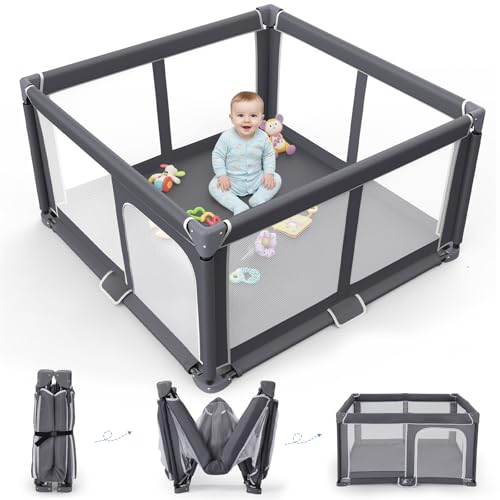
Foldable toddler play yards offer three key conveniences that make your daily routine easier: quick setup, easy transport, and compact storage.
You can quickly create a safe play environment in just seconds, giving your toddler a dedicated space to explore without delay. Their lightweight design makes the play yards easy to move from room to room or even when traveling, ensuring your child always has a familiar spot to play.
When not in use, these yards fold down compactly, saving valuable space in your home. Many models also include integrated storage solutions like pockets or compartments, so you can keep toys and essentials organized and within reach.
By using these foldable features, you provide a safe, clutter-free play environment that fits seamlessly into your busy lifestyle.
Supervise Playtime Actively
Keep a close eye on your toddler during playtime to guarantee their safety and promote healthy development.
To effectively supervise playtime, create a safe space where your child can explore and play freely while you monitor their actions. Active supervision means you engage with the child, encouraging curiosity and learning. Many foldable play yards are designed with breathable mesh and padded cushions to enhance both visibility and comfort.
Create a safe play space where your toddler can explore freely under your active, engaged supervision.
Use the foldable play yard’s portability to keep your toddler within sight, even as you handle other tasks.
Consider these tips for active supervision:
- Position the play yard in a visible spot for easy monitoring
- Engage regularly to support development and bonding
- Establish a consistent routine for playtime supervision
- Quickly address potential hazards or risky behaviors
- Move the play yard as needed to maintain a safe environment
Frequently Asked Questions
Should a 2 Year Old Be in a Playpen?
You can use a playpen to promote toddler independence and guarantee playpen safety, offering playtime benefits while supporting child development. Always supervise closely, and consider playpen alternatives to balance freedom and safety effectively.
What Age to Start Using Pack and Play?
You can start using a Pack and Play around six months, following safety guidelines. Enjoy its travel convenience, size and durability benefits. Consider alternative options for younger infants, ensuring you prioritize your child's safety and comfort always.
How to Prevent a Toddler From Climbing Out of a Playpen?
You can enhance toddler safety by choosing a playpen design with higher walls and engaging toys for climbing prevention. Always provide child supervision, consider playpen alternatives, and create a distraction-free area for safe playtime.
What Age Should I Stop Using the Play Yard?
You should stop using the play yard when your toddler’s mobility and developmental milestones suggest they can safely explore. Prioritize play yard safety by planning change strategies and providing play yard alternatives with ample space considerations.
Final Thoughts
By following these simple tips, you’ll turn your foldable toddler play yard into a cozy little kingdom where your child can explore safely and happily. Remember, a well-chosen spot and regular check-ins keep the fun flowing smoothly. Keep toys fresh and essentials close, so playtime feels like a breeze rather than a chore. With your watchful eye and smart setup, you’re not just managing play—you’re creating joyful moments that matter.
If you want to know other articles similar to 7 Tips for Using a Foldable Toddler Play Yard you can visit the Play Yards & Playpens category.
5 Best Play Yards With Bassinet Attachment

How to Find a Safe Budget-Friendly Playpen

Why Bring a Portable Baby Playpen When Traveling?

Top 10 Play Yards Featuring Handy Storage Pockets

Best Playpens for Crawling Babies Reviewed

Why Use a Playpen With Canopy Outdoors?

Why Choose an Eco-Friendly Baby Play Yard?

Why Pick This Playpen for Active Babies?

What Is the Best Play Yard for Small Spaces?
This is also interesting