





How to Use a Baby Food Maker for Organic Veggies


To use a baby food maker for organic veggies, start by thoroughly washing and peeling your selected fresh vegetables. Chop them into uniform pieces, then place them in the steamer basket, adding water as per the manufacturer’s instructions. Steam gently to preserve nutrients, then blend to a smooth consistency, adjusting texture for your baby’s stage. Store purees in airtight containers promptly. Following these steps guarantees safe, nutritious homemade meals. Keep exploring to discover tips on maintenance and storage for the best results.
Table
- Main Points
- Benefits of Using a Baby Food Maker for Organic Veggies
- Choosing the Right Organic Vegetables for Baby Food
- Preparing Organic Vegetables Before Cooking
- How to Safely Use Your Baby Food Maker
- Step-by-Step Guide to Steaming Organic Vegetables
- Blending and Adjusting Texture for Baby’s Age
- Proper Storage Techniques for Homemade Baby Food
- Tips for Maintaining Your Baby Food Maker
- Common Mistakes to Avoid When Making Baby Food
- Incorporating Organic Veggie Purees Into Your Baby’S Diet
- Frequently Asked Questions
- Final Thoughts
Main Points
- Thoroughly wash and peel organic vegetables to remove dirt and residues before cooking.
- Chop vegetables into uniform pieces and soak harder veggies for 30 minutes to ensure even steaming.
- Follow the baby food maker’s instructions for water amounts and steaming times to retain nutrients.
- Blend steamed veggies to desired texture, adding breast milk or water for smoother purees.
- Clean all parts after use and store homemade baby food in labeled airtight containers.
Benefits of Using a Baby Food Maker for Organic Veggies
When you use a baby food maker for organic veggies, you retain more nutrients through gentle steaming that preserves essential vitamins often lost in boiling.
This method guarantees the homemade baby food you prepare is both nutritious and safe, free from pesticides and additives commonly found in non-organic produce.
A baby food maker simplifies your routine by combining steaming and blending in one appliance, cutting down on cleanup and kitchen mess. Many models come with dishwasher-safe components, making cleaning and maintenance even easier for busy caregivers.
You can easily customize textures, progressing from smooth purees to soft solids as your baby’s eating skills develop.
By controlling ingredients, you introduce your little one to diverse flavors and textures, supporting healthy eating habits.
Using a baby food maker for organic veggies is a practical, evidence-based way to nourish your baby with wholesome, nutrient-rich meals.
Choosing the Right Organic Vegetables for Baby Food
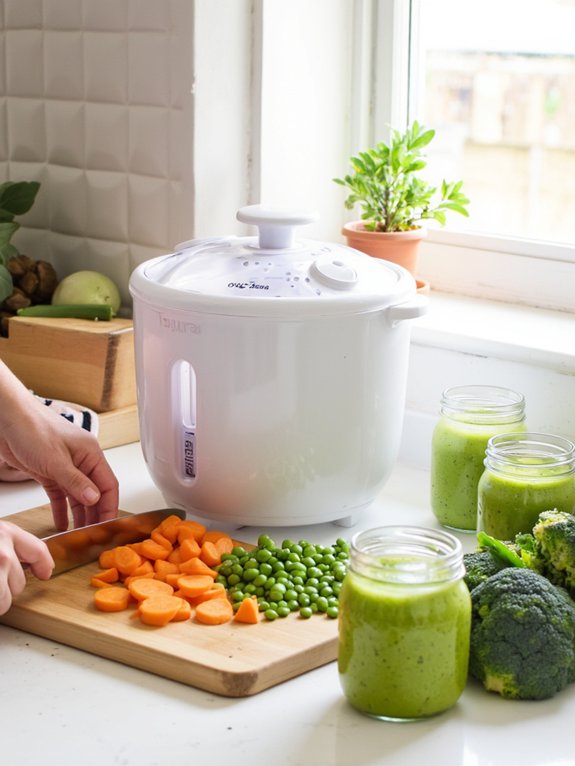
Selecting the right organic vegetables plays an essential role in providing your baby with balanced nutrition and developing their taste preferences. Choose mild, easily digestible options like sweet potatoes, carrots, and peas, which deliver essential nutrients ideal for baby food. Prioritize iron-rich foods such as spinach and broccoli to support healthy growth and prevent anemia. Opting for seasonal organic vegetables guarantees freshness and nutrient density while supporting sustainable farming. Always check for reputable certifications like USDA Organic to confirm your veggies are free from pesticides and harmful chemicals. Introducing a variety of organic vegetables exposes your baby to diverse flavors and textures, encouraging acceptance and reducing pickiness. By thoughtfully selecting these nutrient-rich ingredients, you’re setting a strong foundation for your baby’s health and lifelong eating habits.
Preparing Organic Vegetables Before Cooking
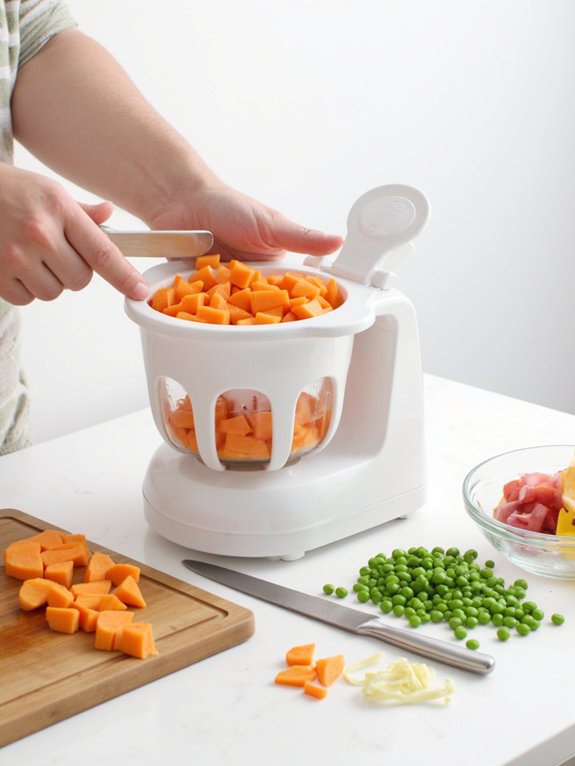
After choosing the best organic vegetables for your baby’s meals, the next step is preparing them properly before cooking.
Start by washing fresh ingredients thoroughly under running water, even if labeled organic, to remove dirt and pesticides. Using BPA-free materials in your prep process helps maintain food safety and ensures no harmful chemicals come into contact with your baby’s food.
Always wash fresh organic ingredients thoroughly under running water to remove dirt and pesticides before preparing meals for your baby.
Peel and chop your organic vegetables into uniform pieces to guarantee they cook evenly and blend smoothly.
For harder vegetables, soak them in water for about 30 minutes to soften them, making it easier to steam and puree.
Always use a sharp knife and a dedicated cutting board to maintain hygiene and safety.
Proper preparation guarantees your baby’s food preserves maximum nutrients and flavor, setting the foundation for healthy, delicious meals made with your baby food maker.
How to Safely Use Your Baby Food Maker
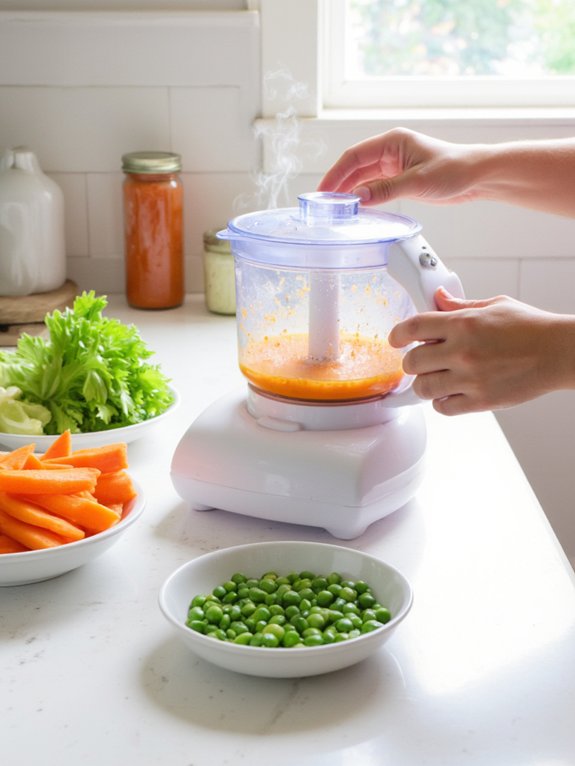
Ensuring safety during baby food preparation starts with thoroughly sanitizing your baby food maker, hands, and utensils to prevent bacterial contamination.
When using food makers for homemade baby food, you’ll want to:
- Use fresh, organic vegetables, washing them well to remove pesticides and dirt before steaming.
- Follow the manufacturer’s instructions for steam times and water amounts to cook veggies properly while preserving nutrients.
- Avoid adding salt, sugar, or any additives to protect your baby’s sensitive kidneys.
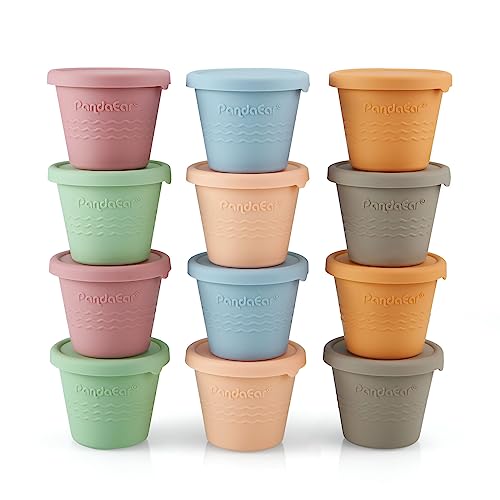
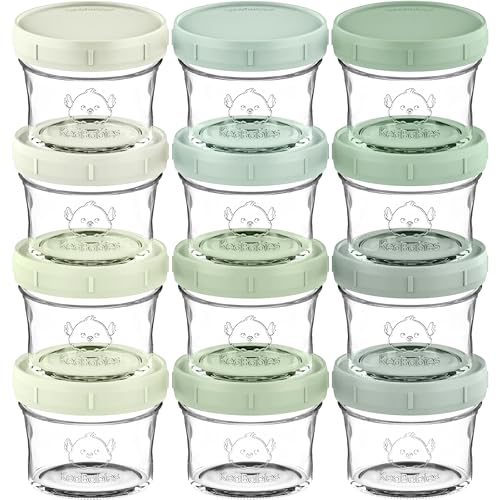
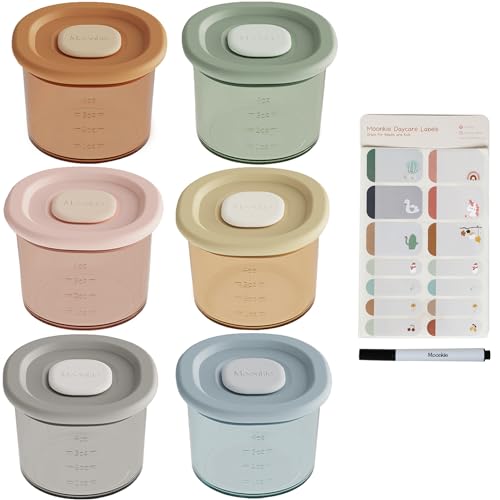
- Store homemade baby food in airtight containers, label with dates, and refrigerate or freeze promptly to maintain freshness.
- For added peace of mind, look for BPA-free materials in your baby food maker to ensure the food you prepare is safe for your little one.
Step-by-Step Guide to Steaming Organic Vegetables
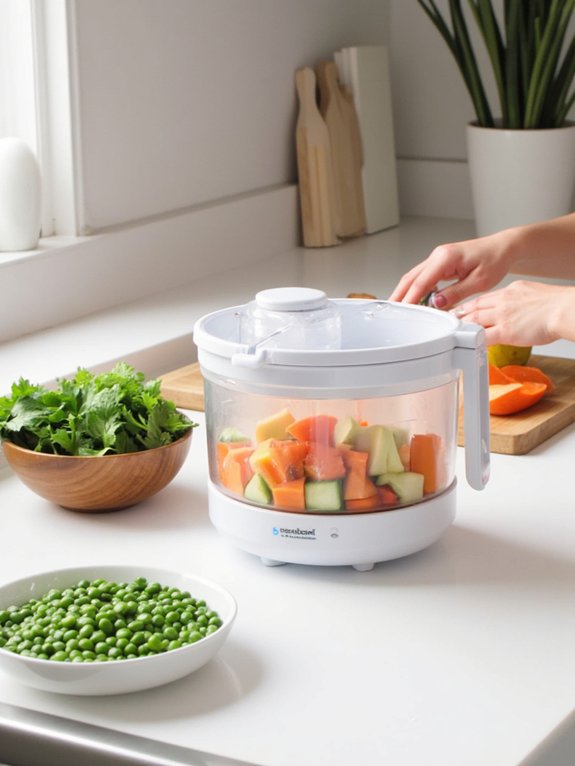
To steam organic vegetables effectively, start by washing and peeling them thoroughly to eliminate dirt and pesticides. Cut the vegetables into uniform pieces to guarantee even steaming and nutrient retention. Place them in your baby food maker’s steaming basket, filling it as recommended. Use the steaming function and set the time based on the vegetable type. Softer vegetables require less time, while harder ones need longer to reach the ideal consistency for baby food. After steaming, let them cool slightly before blending. For best results, 360-degree steam circulation in modern baby food makers helps preserve water-soluble vitamins and ensures even cooking.
| Vegetable Type | Steaming Time (minutes) |
|---|---|
| Zucchini | 5-7 |
| Carrots | 10-15 |
| Sweet Potato | 10-12 |
| Broccoli | 6-8 |
This method helps you prepare nutritious, evenly steamed vegetables with the right consistency for your baby.
Blending and Adjusting Texture for Baby’s Age
Once you've steamed your organic vegetables to the right tenderness, blending them to suit your baby's developmental stage helps promote healthy eating habits. Your baby food maker lets you adjust texture effectively, supporting digestion and skill-building. Thanks to spill-proof design, you can blend confidently without worrying about leaks or messes, making cleanup safer and more convenient.
Here’s how to blend organic veggies by age:
- For 4–6 months, use smooth blend mode for silky purees like sweet potatoes, ensuring easy nutrient absorption.
- From 6–8 months, switch to pulse mode for thicker blends with soft lumps, encouraging chewing with combos like peas and avocado.
- At 8–12 months, create chunkier textures by mincing broccoli or zucchini, fostering self-feeding and motor skills.
- Over 12 months, prepare family meals with reduced salt and spices, maintaining nutrients in quick sauces or dips.
Always start with recommended textures and watch for reactions when introducing new foods.
Proper Storage Techniques for Homemade Baby Food
You’ll want to store homemade baby food properly to keep it fresh and safe for your little one.
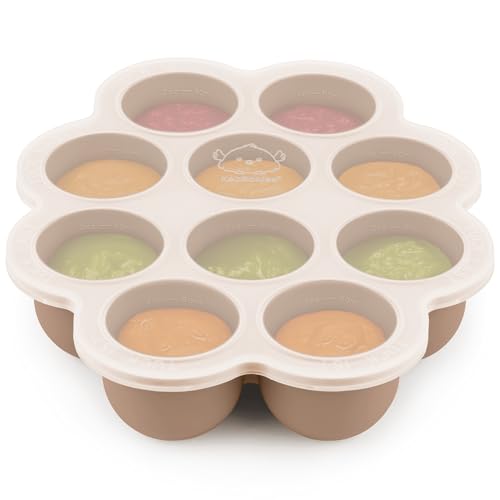
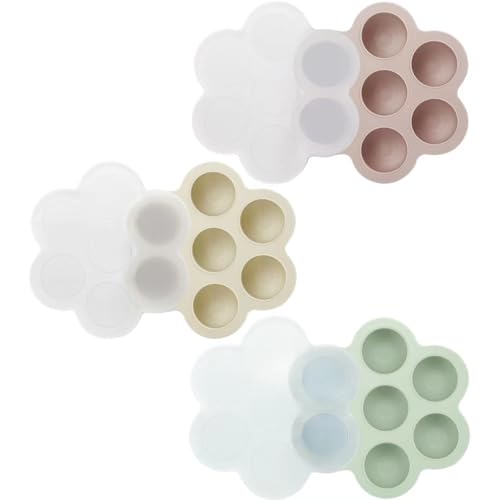
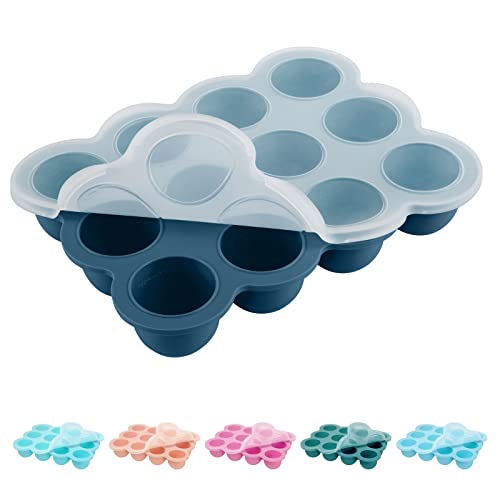
Refrigerate it in airtight containers for up to three days, or freeze portions in ice cube trays for longer storage.
When thawing, use the refrigerator or warm water to avoid uneven heating and maintain quality.
Refrigeration Guidelines
Anyone preparing homemade baby food should store it properly to keep it safe and fresh. Following refrigeration guidelines helps maintain food safety and quality for your little one. Use airtight containers to prevent contamination and keep the food fresh in the refrigerator for up to three days. Here are key tips to follow:
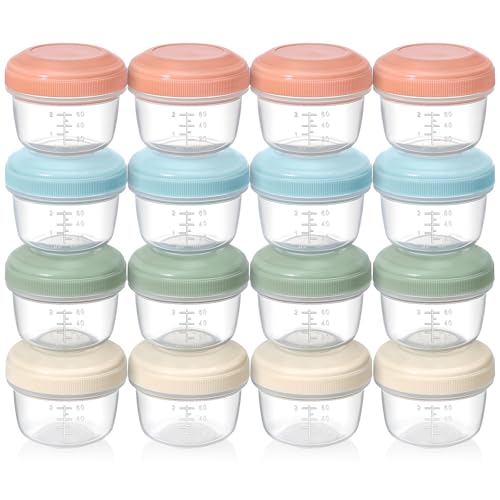
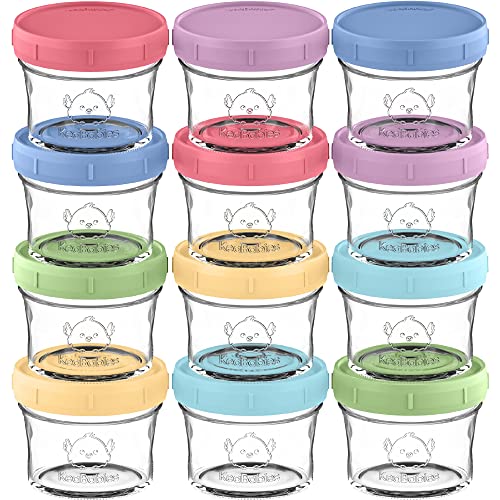
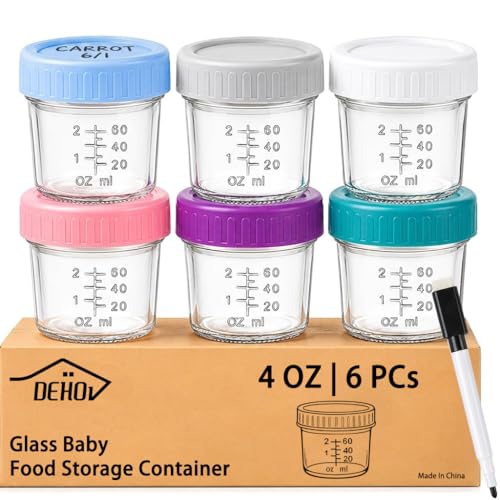
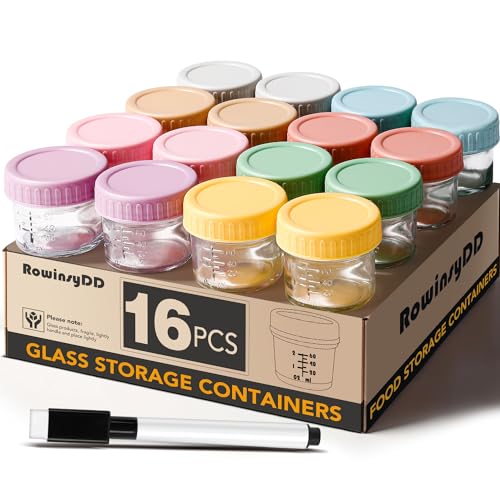
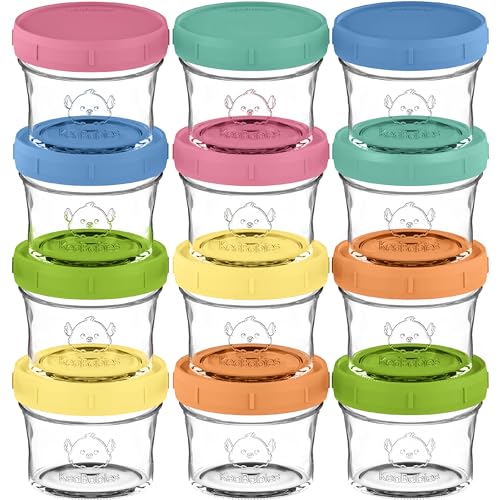
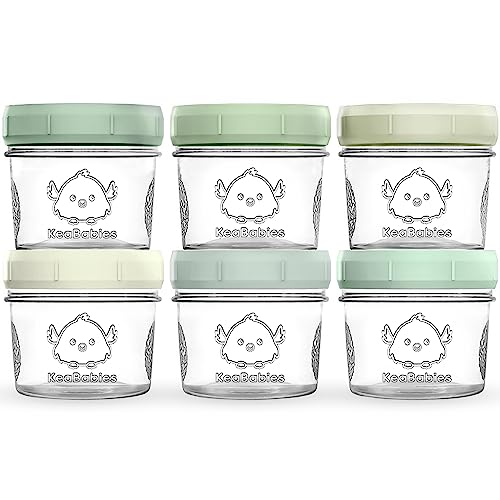
- Store homemade baby food in airtight containers and label them with the preparation date.
- Keep refrigerated food at or below 40°F to slow bacterial growth.
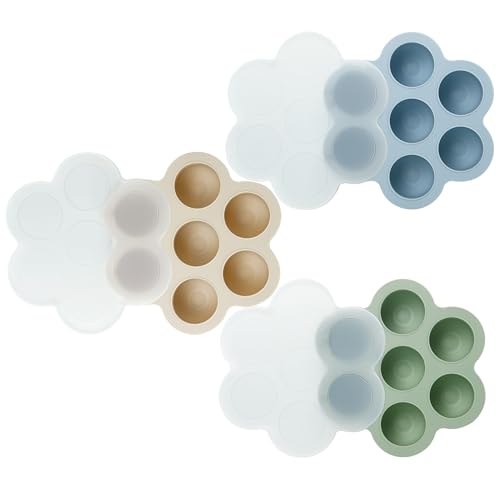
- Freeze excess baby food in ice cube trays for convenient portions, but keep refrigerated portions separate.
- Avoid thawing frozen baby food at room temperature; thaw it overnight in the fridge or use warm water.
- For added safety, consider using BPA-free Tritan containers, which are recommended for food contact parts in many baby food makers.
Freezing Best Practices
When freezing homemade baby food, using airtight containers or ice cube trays helps prevent freezer burn and preserves freshness for up to three months. Label each container with the date and contents to keep track and use the oldest first. After the cubes freeze solid, transfer them to a freezer-safe bag, squeezing out as much air as possible to reduce oxidation. These freezing best practices uphold the nutrients and flavor your baby needs. Remember, never refreeze thawed leftover baby food once it’s been heated, as this can lead to bacterial contamination. By following these proper storage techniques, you guarantee your baby enjoys safe, wholesome meals every time, making your efforts in preparing organic veggies truly rewarding.
Safe Thawing Methods
Properly thawing homemade baby food plays an essential role in preserving its nutritional value and guaranteeing your baby's safety. When handling thawed baby food, following safe thawing methods helps maintain quality and prevents contamination. Always store your baby food in airtight containers to avoid freezer burn and keep it fresh for up to three months. For thawing:
- Place containers in the refrigerator overnight for gradual, safe defrosting.
- Use a microwave on low power or warm water to quickly thaw small portions.
- Never refreeze thawed baby food; use it within 24 hours.
- Check the temperature before serving to guarantee it’s safe for your baby.
Tips for Maintaining Your Baby Food Maker
Maintaining your baby food maker involves a few essential steps that keep it working efficiently and hygienically. After each use, clean the bowl, lid, and steaming basket with warm, soapy water to remove any residue from organic veggies and avoid bacterial buildup. Follow the cleaning instructions in your manufacturer’s manual to guarantee proper care. To preserve steaming performance, descale the water reservoir every few months using equal parts water and white vinegar, eliminating mineral deposits that impair function. Regularly inspect and replace worn seals and gaskets to prevent leaks and maintain efficiency. Many modern baby food makers feature auto shut off mechanisms that add a layer of safety and help prevent overheating during use. Finally, store your baby food maker in a cool, dry place away from direct sunlight to protect its materials and prolong its lifespan. These simple maintenance habits guarantee safe, nutritious meals for your little one.
Common Mistakes to Avoid When Making Baby Food
Although making baby food might seem straightforward, many parents unintentionally make mistakes that can affect the safety and nutritional value of their meals. When preparing purees from organic vegetables, avoiding common mistakes guarantees your baby benefits fully. Remember, using a BPA-free bowl and stainless steel blades helps preserve nutrients and ensures your homemade purees remain safe and healthy.
Always use the steaming function on your baby food maker to preserve vitamins and minerals. Pay close attention to the texture of the puree—too thick or chunky can pose choking risks.
Keep these points in mind:
- Thoroughly wash and peel organic vegetables to remove dirt and residues.
- Don’t overfill the food maker; follow capacity guidelines for even cooking.
- Monitor the puree’s texture to match your baby’s developmental stage.
- Label stored food with dates to track freshness and avoid spoilage.
Incorporating Organic Veggie Purees Into Your Baby’S Diet
Once you’ve mastered avoiding common pitfalls in preparing purees, you can focus on introducing organic vegetable purees into your baby’s diet confidently. Use fresh organic vegetables like carrots or peas, and rely on your baby food maker’s steaming function to preserve nutrients. Many baby food makers provide an intuitive touch interface for simplified operation, making it easy to adjust settings for optimal results. Blend steamed veggies to a smooth consistency, adjusting texture with breast milk or water. Store purees in labeled containers or ice cube trays for easy portioning.
| Vegetable | Steaming Time | Storage Tip |
|---|---|---|
| Carrots | 10 minutes | Freeze in cubes |
| Sweet Potatoes | 12 minutes | Refrigerate up to 3 days |
| Peas | 8 minutes | Use fresh or frozen |
This method guarantees nutrient-rich purees that support your baby’s healthy growth.
Frequently Asked Questions
Is It Better to Steam or Boil Veggies for Baby Food?
You’ll find steaming benefits outweigh boiling drawbacks for baby food. Steaming preserves nutrient retention and maintains better texture, while boiling often causes vitamin loss and mushy veggies. Choose steaming to offer your baby healthier, tastier meals.
What Is the 2 Day Rule for Baby Food?
You should follow the 2-day rule by storing homemade baby food, especially organic veggie choices, in airtight containers. For baby food safety, consume or refrigerate within two days to prevent spoilage and guarantee freshness.
How to Make Baby Food From Garden Vegetables?
You’ll enjoy garden vegetable benefits by sourcing organic ingredients, washing and steaming them, then using pureeing techniques for smooth textures. Store baby food properly in airtight containers to maintain freshness and nutrients for your little one.
How to Add Veggies in Baby Food?
You’ll want to master puree techniques, mixing gentle veggie combinations for balanced flavors. Enhance taste with mild herbs, then follow storage tips—airtight containers or freezing—to keep freshness, ensuring nutritious, delicious meals your baby will enthusiastically enjoy.
Final Thoughts
Using a baby food maker for organic veggies might seem time-consuming, but it actually saves you effort and guarantees your baby eats fresh, nutritious meals. By choosing the right veggies and following safe preparation and storage steps, you give your little one the best start. Plus, maintaining your device keeps it working smoothly. With simple, proven methods, you’ll feel confident making wholesome, organic baby food that supports your baby's healthy growth every day.
If you want to know other articles similar to How to Use a Baby Food Maker for Organic Veggies you can visit the Baby Food Makers category.
This is also interesting