








How to Safely Use a Baby Bottle Warmer

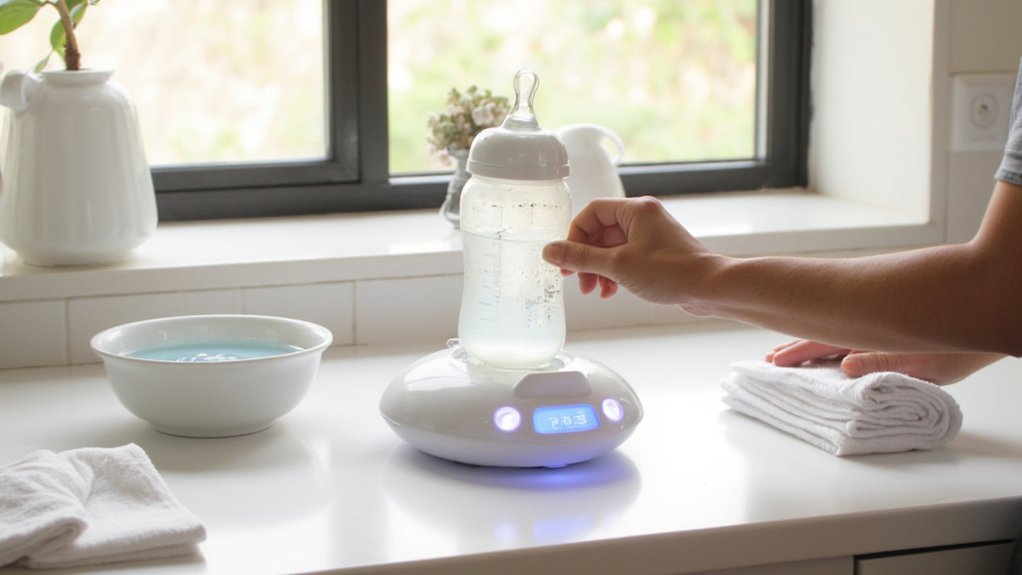
To safely use a baby bottle warmer, start by removing the nipple and cap, then place the bottle properly in the warmer with the recommended water level. Set the warmer to heat milk to about 97-99°F, and always test the temperature on your wrist before feeding. Avoid overheating to preserve nutrients and prevent burns. Keep the warmer clean and follow the manufacturer’s guidelines to maintain efficiency and safety. Understanding these basics will help you confidently guarantee your baby’s milk is warmed just right.
Table
- Main Points
- Preparing Your Baby Bottle and Warmer
- Setting Up the Bottle Warmer Safely
- Selecting the Right Temperature for Warming
- Monitoring the Warming Process
- Testing the Milk Temperature Before Feeding
- Cleaning and Maintaining Your Bottle Warmer
- Troubleshooting Common Bottle Warmer Issues
- Frequently Asked Questions
- Final Thoughts
Main Points
- Remove nipples and caps from bottles before warming to prevent pressure buildup and leaks.
- Warm milk to 97-99°F, testing temperature on your wrist before feeding to avoid burns.
- Use distilled water in the warmer and maintain recommended water levels for efficient heating.
- Rely on the warmer’s auto shut-off and temperature control features to prevent overheating.
- Clean and descale the warmer regularly following manufacturer instructions to ensure safe operation.
Preparing Your Baby Bottle and Warmer
Before you start warming your baby's bottle, make certain it fits your warmer according to the manufacturer's guidelines. This guarantees the bottle heats evenly and safely.
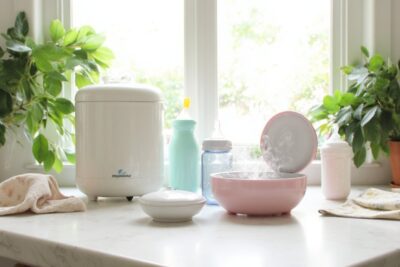
Remove any nipples or caps from the bottle to prevent pressure buildup and leaks during warming. Many models, such as the First Years Bottle Warmer, feature automatic shut-off to help prevent overheating and ensure user safety.
Next, pre-fill the warmer with the right amount of water specified in the instructions; this helps distribute heat evenly and warms the milk efficiently.
Always use distilled water in the warmer to prevent scaling, which can affect performance and the appliance’s longevity.
Familiarize yourself with the warmer’s settings, including how to set the timer and recognize alerts when your baby’s milk is ready.
Taking these steps lets you warm your baby’s bottle safely and reliably every time.
Setting Up the Bottle Warmer Safely

When you set up your baby bottle warmer, place it on a stable, flat surface away from edges to prevent spills or accidents.
Make certain to follow the manufacturer’s instructions carefully, especially regarding the recommended water level. Using the correct water amount guarantees efficient warming and prevents overheating.
Always confirm your bottle’s compatibility with the warmer, as some models fit specific bottle types better. For added convenience, many warmers now feature smart touchscreen controls that allow for precise temperature settings and enhanced safety.
Pre-filling the water reservoir can save time during late-night feedings.
Never bypass safety precautions, and rely on the bottle warmer’s auto shut-off feature to avoid overheating and potential hazards.
By setting up your bottle warmer thoughtfully and following these steps, you create a safe, efficient environment that supports your caregiving with confidence and care.
Selecting the Right Temperature for Warming

You’ll want to warm your baby’s milk to about 97-99°F, which matches body temperature for a comfortable feeding.
Always test the temperature on your wrist to make sure it feels warm but not hot, preventing any risk of burns.
Avoid overheating, as high heat can destroy nutrients and create dangerous hot spots, so gentle warming is key.
Using a bottle warmer with auto shut-off feature can help prevent overheating and ensure your baby’s milk is warmed safely and consistently.
Ideal Milk Temperature
Choosing the right temperature for warming your baby's milk is essential for a safe and comfortable feeding experience.
The ideal temperature for both breast milk and formula is around 97-99°F, closely matching body temperature. This range guarantees your baby receives milk that feels natural and soothing. When using a bottle warmer with a customizable LCD control panel, you can tailor the warming process to ensure the milk reaches this ideal temperature every time.
When you use a bottle warmer, you can safely warm the milk without creating hot spots that might burn your baby’s mouth or destroy valuable nutrients.
It’s important to test the temperature before feeding to confirm it’s warm, not hot or cold.
By focusing on the ideal temperature, you’ll provide a feeding experience that’s both safe and enjoyable, respecting your baby’s comfort and nutritional needs every time you prepare a bottle.
Temperature Testing Methods
How can you be certain your baby's milk is warmed to the perfect temperature? Using a bottle warmer set to around 97-99°F mimics body temperature, ideal for warm breast milk and formula.
After warming, swirl the bottle gently to distribute heat evenly and avoid hot spots. Modern bottle warmers with smart temperature control help maintain this perfect range, reducing the risk of overheating.
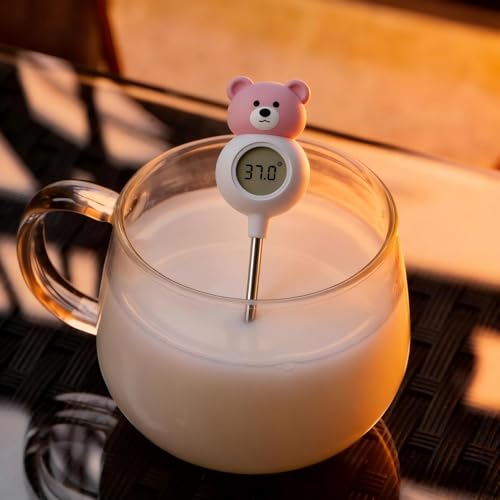
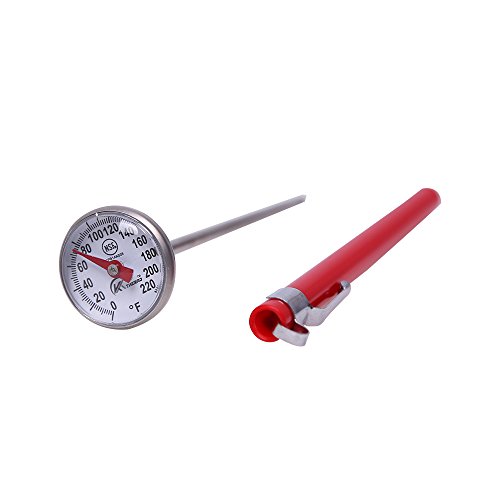
To check the temperature, perform the wrist test—dribble a few drops on your inner wrist; it should feel warm, not hot or cold.
This simple method helps prevent overheating breast milk, which can destroy nutrients and pose safety risks. Remember, safe storing practices mean you can warm milk as needed, but always test temperature before feeding.
By carefully monitoring, you guarantee your little one enjoys milk at a safe, comfortable temperature every time.
Risks of Overheating
Although warming your baby’s milk is crucial, overheating can cause significant risks you should be aware of.
The risks of overheating include destroying essential nutrients in breast milk, reducing its health benefits. Milk warmed above body temperature (97-99°F) may develop hot spots that can burn your baby’s mouth. Using a fast heating speed bottle warmer can help reduce wait times and ensure the milk is heated evenly, minimizing the risk of nutrient loss or dangerous temperature spikes.
Using proper heating methods, like a baby bottle warmer or warm water bath, helps maintain a consistent temperature and avoids these hazards.
Additionally, bacteria growth becomes a concern if milk is warmed, cooled, then reheated, increasing the chance of foodborne illness.
To keep your baby safe, always warm milk gently to body temperature and use it immediately.
By following these guidelines, you can serve your little one safely and confidently.
Monitoring the Warming Process
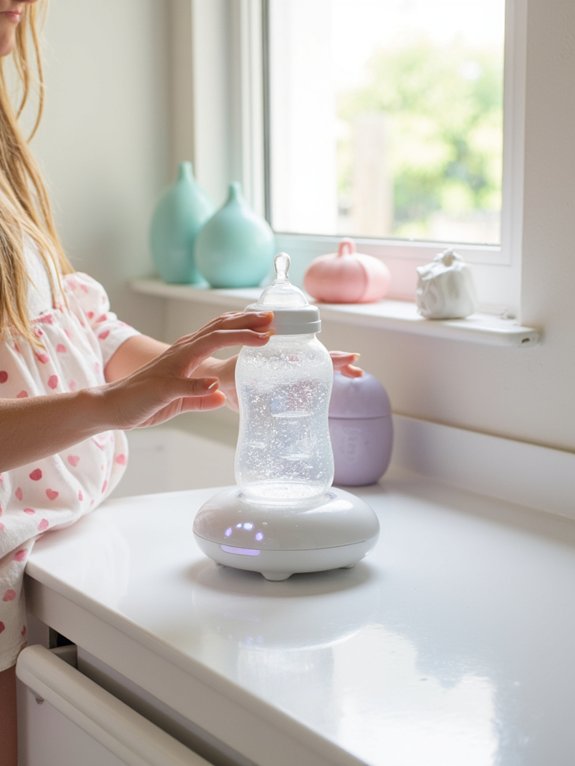
You’ll want to keep a close eye on the warming process to avoid overheating, which can harm nutrients and create hot spots.
Use the wrist method to check the milk’s temperature and rely on your warmer’s timing or auto shut-off features for consistency.
Swirling the bottle before feeding helps guarantee the temperature is even and safe for your baby.
For added safety, choose a bottle warmer with precise temperature control to help maintain consistent warmth and protect your baby’s milk from nutrient loss.
Temperature Checking Methods
Why is checking the temperature of warmed milk so essential? Using proper temperature checking methods guarantees your baby’s feeding is safe and comfortable. Warm milk should be close to body temperature—between 97-99°F—to support digestion and avoid burns. Always avoid using microwaves, as they cause uneven heating and hidden hot spots. After warming, gently swirl the contents to distribute heat evenly. Then, test the temperature by dribbling a few drops on the inside of your wrist. It should feel warm, never hot or cold. Remember to:
- Swirl the contents to prevent hot spots
- Use the inside of your wrist for a reliable temperature test
- Monitor the warming process closely for safe heating
Following these steps helps you serve your baby with care and confidence.
Avoiding Overheating Risks
Because overheating can degrade breast milk’s nutrients and pose safety risks, closely monitoring the warming process is crucial.
You should always stay attentive while warming to prevent overheating, which can compromise milk quality and safety. Using smart temperature control features, as found in some advanced bottle warmers, can further enhance safety and nutrient preservation during the warming process.
Use a baby bottle warmer equipped with an auto shut-off feature; it helps maintain a safe temperature and stops heating once the ideal warmth is reached.
Regularly check the temperature by performing the wrist test, ensuring the milk feels warm but not hot—around 97-99°F.
Follow the manufacturer’s instructions carefully to avoid overheating hazards and never leave the bottle in the warmer for too long.
By monitoring the warming process thoughtfully, you protect the nutrients in breast milk and guarantee your baby’s feeding is both safe and comfortable.
Timing and Consistency
When warming your baby’s milk, keeping a close eye on the process guarantees it reaches the perfect temperature of 97-99°F without overheating.
Timing and consistency are essential when warming breast milk with a baby bottle warmer. To warm the milk safely and effectively, follow these key steps:
- Use the auto shut-off feature on your warmer to maintain consistent heating and prevent overheating.
- Check the milk’s temperature regularly, using the wrist test to confirm it’s warm, not hot.
- Stick to the manufacturer’s recommended warming times to match your specific bottle warmer’s efficiency.
- Many modern warmers, such as the GROWNSY, offer precise temperature control to help prevent overheating and preserve essential nutrients.
Testing the Milk Temperature Before Feeding
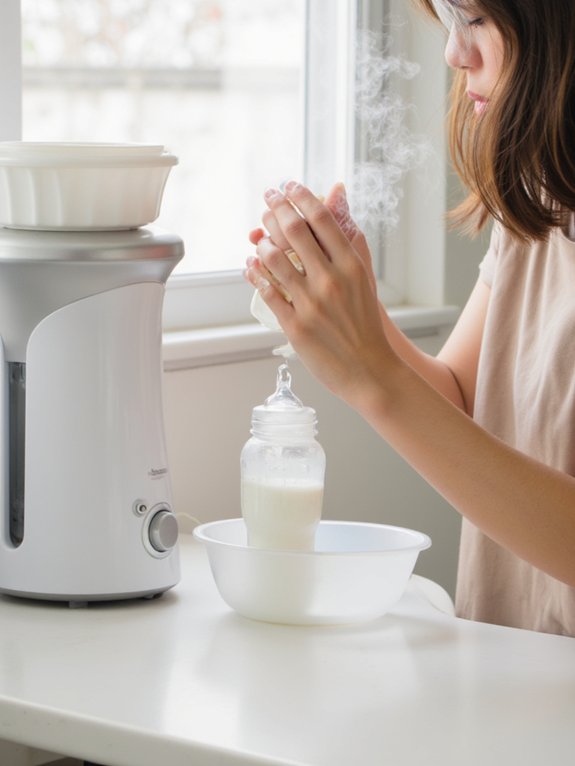
How do you guarantee the milk is just right before feeding your baby?
Always start by testing the milk temperature using the wrist test: dribble a small amount of milk from the warm bottle onto the inside of your wrist. It should feel warm, never hot or cold.
Both breast milk and formula should be around 97-99°F, closely matching body temperature to assure your baby’s comfort.
Overheating can create dangerous hot spots that may burn your baby’s mouth, so checking thoroughly is essential.
If the milk feels too hot, let it cool before bottle feeding.
Consistently using the wrist test helps you serve safely and comfortably, making feeding a reassuring experience for both you and your baby every time.
Cleaning and Maintaining Your Bottle Warmer
Making certain your baby's milk is at the right temperature is only part of the feeding process; keeping your bottle warmer clean and well-maintained plays an essential role in safe and effective warming.
Proper cleaning and regular maintenance prevent buildup and guarantee safe operation. Always use distilled water to reduce scaling and improve efficiency. After each use, wipe the warmer thoroughly to remove spills or residue.
To keep your bottle warmer in top shape:
- Descale periodically with equal parts vinegar and water to remove mineral deposits
- Clean the water reservoir to prevent moisture buildup and mold
- Follow the manufacturer's cleaning instructions for safe operation
Troubleshooting Common Bottle Warmer Issues
If your bottle warmer isn’t heating properly, start by checking that it’s securely plugged in and that the outlet is working. Next, verify the water level—too little water won’t heat a bottle effectively, and too much can overflow. Make sure the babys bottles fit the warmer, as incompatible sizes can cause issues. If it beeps continuously, consult the manual; it might signal overheating or improper bottle placement. Regularly clean the bottle warmer to avoid mineral buildup and maintain efficiency. To ensure your bottle warmer maintains peak performance, consider the sterilization efficiency found in advanced models like Dr. Brown's, which helps keep your baby's feeding items hygienic and safe.
| Issue | Cause | Solution |
|---|---|---|
| No heat | Not properly plugged in | Check plug and outlet |
| Beeping continuously | Overheating or wrong bottle | Refer to manual, reposition |
| Inconsistent heat | Water level incorrect | Adjust water, clean warmer |
Frequently Asked Questions
Is It Safe to Use a Baby Bottle Warmer?
You can trust baby bottle warmer safety by choosing certified types, following temperature control tips, and avoiding common warming mistakes. Compared to other heating methods, they offer gentle, even warming—perfect for your baby’s feeding comfort and health.
What Is the Proper Way to Heat up a Baby's Bottle?
Heating a baby’s bottle is like gently warming a cozy blanket—use safe warming methods, check bottle temperature carefully, choose proper bottle materials, follow feeding guidelines, avoid common mistakes, and always prioritize safety tips for your little one.
Which of These Is Not a Safe Way to Warm a Baby Bottle?
You shouldn’t use microwave dangers, stove hazards, hot water, direct heat, electric blankets, or unregulated devices to warm bottles. These methods risk uneven heating and burns. Stick to safe, regulated warmers to protect your baby.
Are Baby Bottles Heat Safe?
Think of baby bottles like your trusted cooking pots—material safety matters. You’ll want BPA-free or glass bottles, compare heating methods carefully, control temperature, maintain your warmer, follow storage guidelines, and check safety certifications to keep feeding safe.
Final Thoughts
Using a baby bottle warmer correctly keeps feeding safe and stress-free. Did you know that 70% of parents find warming milk to the right temperature helps prevent feeding issues? By preparing your bottle properly, setting the warmer safely, and always testing the milk before feeding, you protect your baby from burns and nutrient loss. Regular cleaning and monitoring guarantee your warmer works efficiently, giving you peace of mind with every feeding.
If you want to know other articles similar to How to Safely Use a Baby Bottle Warmer you can visit the Bottle Sterilizers & Warmers category.
Top Eco-Friendly Baby Bottle Sterilizer Choices
10 Best Bottle Sterilizers for Newborns 2024
Best Sterilizers Compatible With Dr Brown Bottles
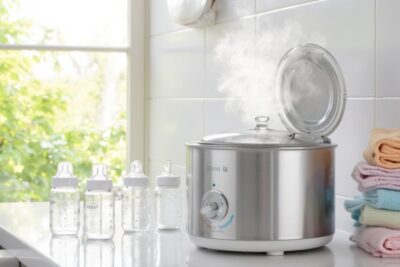
Best Sterilizers for Glass Baby Bottles
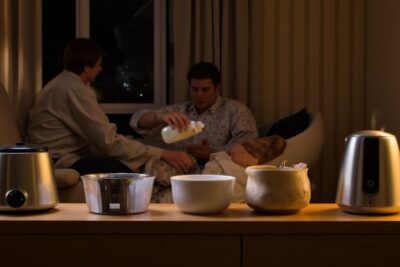
5 Best Fastest Bottle Warmers for Night Feeds
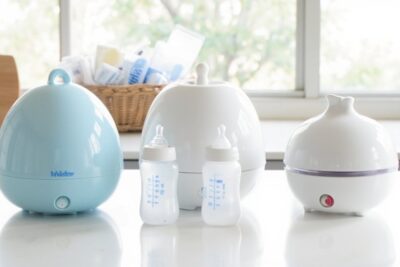
3 Tips to Find Budget Bottle Sterilizers for Twins
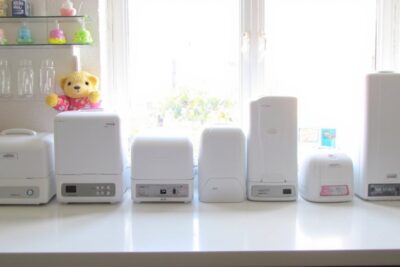
10 Best Bottle Sterilizers for Daycare Use
Top 5 Bottle Warmers With Auto Shut-Off
Top 3 UV Light Bottle Sterilizers for Babies
This is also interesting