










Top 10 Tips for Automatic Rocking Baby Swings


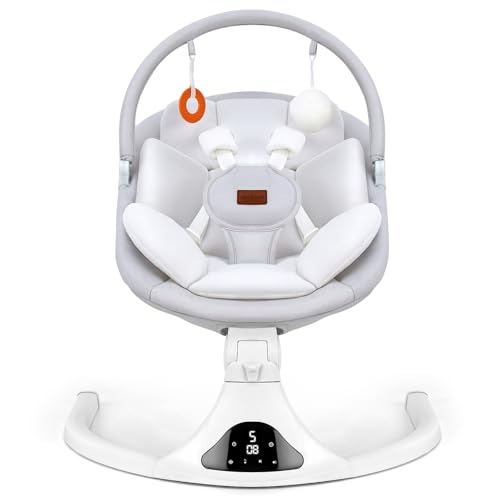
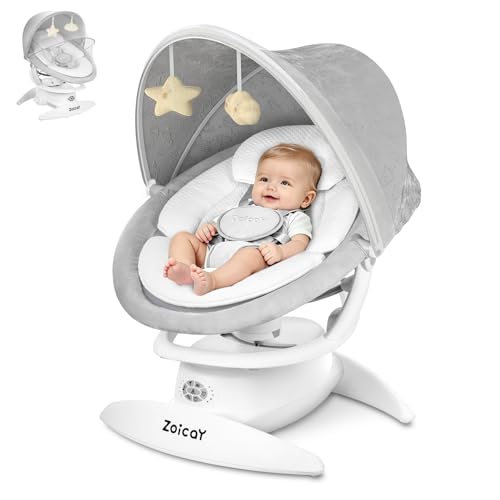
Make sure you install your automatic rocking baby swing on a flat, stable surface and follow the manufacturer’s instructions closely. Always secure your baby with a snug five-point harness and use the correct recline position for their age. Choose gentle motion settings, keep the environment calm, and never leave your baby unsupervised. Limit swing time to avoid prolonged naps, regularly inspect for wear, and register your swing for recall alerts. These steps will help keep your baby safe and comfortable—explore further for detailed guidance.
Table
- Main Points
- Ensure Proper Installation and Stability
- Use the Correct Recline Position for Your Baby’s Age
- Always Secure the Safety Harness Snugly
- Choose the Right Speed and Motion Settings
- Keep the Swing in a Quiet, Calm Environment
- Limit Swing Time to Prevent Overstimulation
- Regularly Inspect the Swing for Wear and Damage
- Avoid Using the Swing for Prolonged Sleep Periods
- Supervise Your Baby at All Times While in the Swing
- Register Your Swing for Recall Notifications
- Frequently Asked Questions
- Final Thoughts
Main Points
- Always secure the safety harness snugly, preferably a five-point harness, to ensure maximum protection and comfort for your baby while swinging.
- Limit swing sessions to 30 minutes to prevent muscle weakness and promote balanced motor skill development outside the swing.
- Place the swing on a flat, stable surface with non-slip pads to avoid tipping and ensure safe rocking motion.
- Use the most reclined position for newborns under 4 months, adjusting recline as your baby grows to support head and neck properly.
- Register your swing with the manufacturer immediately to receive timely recall notifications and safety updates for your model.
Ensure Proper Installation and Stability
Before you place your baby in the swing, make certain you install it exactly as the manufacturer directs. Following the manufacturer’s instructions helps you guarantee proper installation and addresses all safety concerns.
Place the swing on a flat surface to maintain stability and prevent tipping. Gently rock the swing once assembled to check its steadiness—if it wobbles or shifts, adjust its positioning. Consider the maximum weight capacity of the swing to ensure your baby's safety and prevent accidents.
Pay special attention to the swing’s base, ensuring it has non-slip pads or grips to stop sliding on smooth floors. Regularly inspect all screws and parts for looseness, tightening them as needed to keep everything secure.
By prioritizing these steps, you’re creating a safer environment that allows your baby to enjoy the swing comfortably while you serve their needs with confidence.
Use the Correct Recline Position for Your Baby’s Age

Choosing the right recline position for your baby’s age is essential for their safety and comfort in an automatic baby swing.
For newborns under 4 months, always use the most reclined position to guarantee proper head and neck support, reducing risks like positional asphyxia.
As your baby grows and gains control, adjust the recline positions gradually, following the manufacturer's guidelines. Many swings, such as those featuring adjustable recline options, allow you to tailor the angle as your child develops.
Make certain your swing has adjustable recline settings so you can easily accommodate your baby’s developmental changes.
Regularly check the age and weight limits to confirm your baby fits within recommended parameters for each position.
Remember to supervise your baby at all times during use and when adjusting recline settings to maintain infant safety and comfort.
Your attentiveness makes all the difference.
Always Secure the Safety Harness Snugly

Anyone using an automatic baby swing knows that securing the safety harness snugly is essential to keep your little one safe and comfortable.
To guarantee secure safety, follow these key steps:
- Use a five-point harness; it secures your baby at the shoulders, waist, and between the legs for maximum protection.
- Adjust the safety harness for a snug fit—not too tight, not too loose—to prevent slipping while keeping comfort.
- Regularly check and adjust the harness as your baby grows to maintain that snug fit.
- Follow AAP guidelines and manufacturer instructions carefully, including weight limits and usage time, to keep baby swings safe.
Many modern swings, like the Monamii, provide extra padding and adjustable sway frequencies to further enhance your baby's comfort and security in the harness.
Choose the Right Speed and Motion Settings
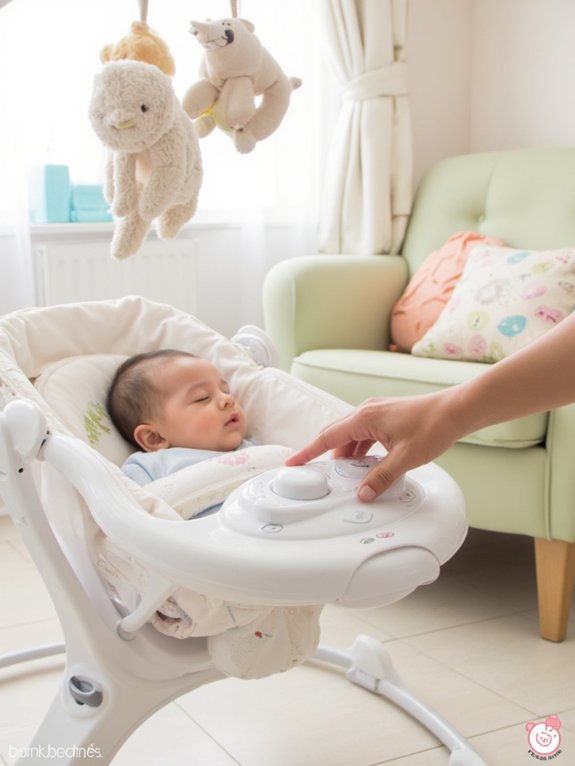
Since every baby responds differently to motion, you’ll want to select a swing with adjustable speed and movement options to find what soothes your little one best.
Look for models offering multiple speed settings and various motion patterns like side-to-side or front-to-back to mimic natural rocking. Start slow and adjust speed gradually to gently ease your baby into relaxation.
Choosing a swing with a quiet motor is essential—it keeps the soothing motion peaceful without startling your child. For additional comfort, consider swings that feature cry detection technology to automatically respond when your baby needs soothing.
Additionally, the ability to customize motion duration lets you control how long the swing operates before shutting off, ensuring safety and convenience.
By thoughtfully selecting these features, you can create a calming experience tailored perfectly to your baby’s needs.
Keep the Swing in a Quiet, Calm Environment
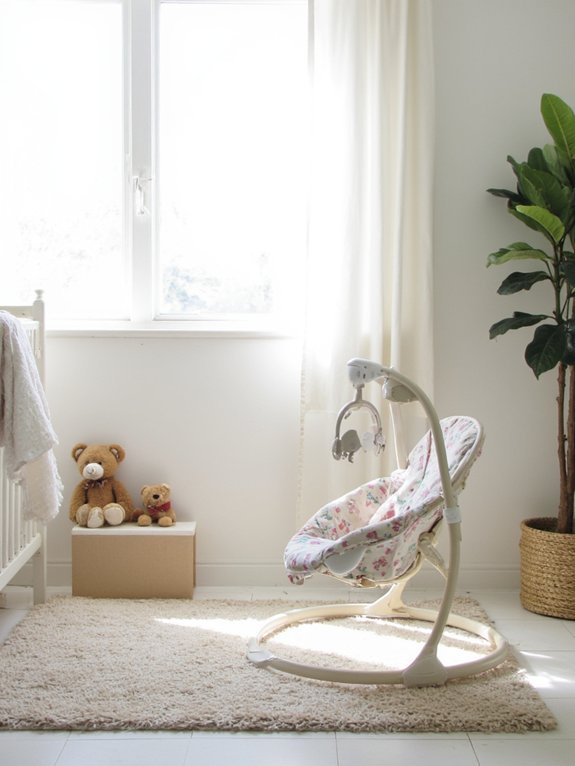
You’ll want to keep the swing in a quiet spot with soft lighting to help your baby feel calm and secure.
Minimizing background noise and maintaining a comfortable temperature can make a big difference in creating a soothing atmosphere.
These simple steps help your little one relax and associate the swing with comfort and rest.
For added convenience, consider choosing a swing with remote control functionality so you can adjust the settings without disturbing your baby’s peaceful environment.
Minimize Background Noise
Although the gentle motion of an automatic baby swing can soothe your little one, background noise can easily disrupt their calm.
To foster relaxation and contentment, minimize distractions by following these steps:
- Place the swing in a quiet, low-traffic area to create a calm atmosphere.
- Turn off loud televisions and pause conversations nearby to reduce overstimulation.
- Use white noise machines to provide consistent soothing sounds that mask sudden noises.
- Keep household activities away from the swing area during naptime or soothing sessions.
Choose Soft Lighting
When you choose soft lighting around your automatic baby swing, you help create a soothing environment that signals your little one to relax and rest. Soft lighting reduces overstimulation from harsh lights, promoting a calming atmosphere that enhances the swing’s soothing effects. By using adjustable warm bulbs and placing the swing in a quiet room, you foster a peaceful environment that supports relaxation and reduces stress for both baby and caregiver.
| Lighting Tip | Benefit |
|---|---|
| Use warm, dim bulbs | Encourages relaxation |
| Adjustable lighting | Customizes the calming atmosphere |
| Quiet room placement | Minimizes distractions |
| Soft light settings | Enhances soothing effects |
Creating this calming space helps your baby associate the swing with comfort and peaceful rest.
Maintain Comfortable Temperature
Keeping your baby swing in a room with a comfortable temperature between 68°F and 72°F helps guarantee your little one stays cozy without overheating.
To maintain a comfortable temperature and create a soothing space, follow these practical tips:
- Use soft, breathable fabrics for blankets and seat covers to promote air circulation and keep your baby comfortable.
- Place the swing in a quiet environment, away from loud noises and distractions, helping your baby relax.
- Avoid direct sunlight or heat sources near the swing to prevent it from becoming too warm.
- Regularly check your baby’s neck or back to confirm they’re not too hot or cold while swinging.
Limit Swing Time to Prevent Overstimulation
You’ll want to keep your baby’s swing time to about 30 minutes to avoid overstimulation and encourage healthy development.
Watch for signs like fussiness or restlessness that might mean it’s time for a break.
Balancing swing time with tummy time and floor play helps your little one build strength and stay engaged.
Recommended Usage Duration
Limiting your baby’s time in a swing to about 30 minutes at once helps prevent overstimulation and supports healthy development.
The American Academy of Pediatrics recommends this recommended usage duration to avoid issues like muscle weakness and delayed motor skills caused by excessive use.
In addition to limiting swing sessions, choosing a swing with features like cry detection technology can help caregivers respond more effectively to a baby's needs and encourage balanced use.
To care for your baby effectively, consider these practical tips:
- Use the swing no longer than 30 minutes per session.
- Balance swing time with plenty of tummy time for muscle strength.
- Encourage floor play to promote motor skill development.
- Alternate soothing methods to prevent dependency on motion for sleep.
Signs of Overstimulation
Watching for signs your baby might be overstimulated helps you know when it's time to pause the swing. Overstimulation often shows as fussiness, crying, irritability, or turning away from visual stimuli.
You might also notice clenching fists or trouble sleeping. These signs of overstimulation signal it’s time to limit swing usage and offer a quieter space. For added peace of mind, choosing a swing with adaptive soothing motions can help you better respond to your baby’s individual cues and comfort needs.
The American Academy of Pediatrics suggests keeping swing sessions under 30 minutes to avoid overwhelming your baby. It’s important to monitor your baby’s cues closely since every child’s tolerance varies.
Remember, prolonged swinging can reduce chances for varied activities that support cognitive and motor development. Balancing swing time with active play helps your baby thrive while preventing overstimulation.
Balancing Swing and Play
Since swings provide soothing comfort, it’s easy to rely on them frequently—but balancing swing time with active play is key to your baby’s healthy development.
To guarantee safety and promote proper development, follow these guidelines:
- Limit swing time to 30 minutes per session to prevent muscle weakness and delayed motor skills.
- Observe your baby’s reactions to sounds and lights to avoid overstimulation and fussiness.
- Encourage varied play outside the swing, including tummy time, to support sensory and motor growth. The multi-directional seat on some swings allows you to adjust the experience to your baby's comfort, making it easier to transition between swing time and other activities.
- Gradually introduce swing use, adjusting based on your baby’s comfort and needs to maintain balance between comfort and active play.
Regularly Inspect the Swing for Wear and Damage
Although automatic baby swings offer convenience, you need to regularly inspect them for wear and damage to keep your little one safe.
Start by checking the swing’s frame for cracks or signs of wear that could affect stability and safety. Don’t forget to inspect the safety harness—make sure the straps aren’t frayed and that it fastens securely. It’s also wise to review the machine-washable fabrics regularly, ensuring they’re clean and intact for your baby’s comfort and hygiene.
Examine the motor and electrical parts for exposed wires or damage to prevent malfunctions. Also, keep the seat padding clean and free of tears to maintain hygiene and comfort.
Following the manufacturer’s maintenance guidelines, usually monthly, helps you stay ahead of potential issues.
By routinely inspecting your swing, you’re ensuring a safe, comfortable environment that supports your baby’s well-being every time they relax or play.
Avoid Using the Swing for Prolonged Sleep Periods
Keeping your automatic baby swing in good condition helps create a safe space for your little one, but it’s just as important to use the swing wisely.
The AAP strongly advises against using baby swings for prolonged sleep because it increases the risk of airway obstruction and sudden infant death. For the safest environment, consider the importance of choosing a baby bassinet with breathable mesh sides and a firm mattress for your baby's regular sleep.
Here’s how to keep sleep safe:
- Limit swing use to short, supervised naps only.
- Always transfer your baby to a flat, firm sleep surface like a crib or bassinet as soon as they fall asleep.
- Avoid letting your baby’s head tip forward, which can block their airway.
- Use baby swings for soothing motion, not as a substitute for safe sleep practices.
Following these steps helps protect your baby while still enjoying the calming benefits of your swing.
Supervise Your Baby at All Times While in the Swing
When you put your baby in the swing, always keep a close eye on them to confirm their safety and comfort.
You should supervise your baby at all times to quickly respond if they show signs of distress or discomfort.
Never leave your little one unattended in the swing, even briefly, as they may roll or slide out if not properly restrained.
Always supervise your baby in the swing to prevent rolling or sliding out unnoticed.
Regularly check their position to confirm their airway remains unobstructed, preventing risks like suffocation or position asphyxia.
If your baby falls asleep, gently move them to a safe sleep surface such as a crib or bassinet.
By staying attentive, you help create a secure environment, giving your baby the care and protection they deserve while enjoying the soothing motion of the swing.
Register Your Swing for Recall Notifications
Make sure you register your baby swing with the manufacturer right after purchase to get important recall notifications.
It’s usually a quick online form asking for your swing’s model and purchase date.
Staying registered helps you act fast if safety issues arise, keeping your little one protected.
Importance of Registration
Although it might seem like a small step, registering your baby swing with the manufacturer plays an essential role in protecting your child.
Registration guarantees you get timely safety updates, helping you avoid hazardous products and respond swiftly to safety recalls. The Consumer Product Safety Commission shares recall info, but manufacturers often provide the most current alerts for your specific baby product.
By registering, you:
- Receive immediate notifications about safety recalls.
- Access critical safety updates tailored to your swing model.
- Simplify tracking your swing’s purchase and model details.
- Reduce the risk of exposing your baby to hazardous products.
Taking this simple action shows your commitment to your child’s safety and wellbeing.
Don’t miss out on important information that keeps your family safe.
How to Register
Since keeping your baby safe is your top priority, registering your automatic baby swing for recall notifications is a simple yet essential step you shouldn't skip.
To register your product, visit the manufacturer's website and find the product registration section. There, you'll enter important details like your swing’s model number and purchase date.
Keep your purchase receipt and product packaging nearby, as these often contain necessary serial numbers. Some manufacturers also offer mail-in registration options—check their website for specifics.
Once registered, you'll receive timely alerts about safety recalls that could affect your swing. Additionally, regularly checking the U.S. Consumer Product Safety Commission website helps you stay informed, even if you’ve completed product registration.
Taking these steps guarantees you’re proactive in protecting your little one.
Recall Alert Benefits
Safety awareness plays an essential role in protecting your baby, and registering your automatic baby swing for recall notifications puts you ahead of potential risks.
By staying informed, you can quickly act on safety precautions that keep your little one safe.
Here’s why registering matters:
- You receive timely alerts about recalls affecting your baby swing.
- The Product Safety Commission (CPSC) tracks and informs about safety hazards.
- Prompt notifications help you monitor your swing’s safety status.
- Early action lets you remove or repair defective swings, preventing injury.
Recalls often stem from manufacturing defects or misuse risks.
By registering, you stay proactive, ensuring your baby’s environment remains safe and free from hazards.
This small step supports your commitment to your baby’s well-being and peace of mind.
Frequently Asked Questions
Are Automatic Swings Safe for Babies?
You can keep your baby safe by choosing swings that meet safety standards, use soft swing materials, and fit age recommendations. Prioritize baby comfort, secure swing features, and perform regular swing maintenance for worry-free, gentle soothing.
What Are the Tips for Baby Swings?
You’ll want to check swing features, follow safety standards, and respect weight limits and age recommendations. Regular maintenance keeps it safe. Reading user reviews helps you choose wisely, so your baby stays comfy and secure.
How Long Should a Baby Be in a Rocking Swing?
Don’t beat around the bush—limit swing duration to 30 minutes max. Prioritize baby comfort, monitor sleep patterns, use swing features wisely, follow age recommendations, and keep parental supervision to guarantee your little one stays safe and happy.
Are Vibrating Rockers Safe for Newborns?
You should follow safety guidelines, monitor swing features and vibration settings, and guarantee parental supervision to protect newborn comfort. Health recommendations advise limited use and prompt transfer to safe sleep surfaces to keep your baby safe.
Final Thoughts
If you want your baby to rock like a tiny royalty on a throne of comfort, these tips are your secret weapon. Skipping even one could turn peaceful naps into a mini chaos carnival. By installing your swing properly, securing the harness snugly, and keeping a watchful eye, you’re not just rocking a swing—you’re creating a safe, soothing sanctuary. Trust me, these simple steps make all the difference between happy giggles and sleepless fussiness.
If you want to know other articles similar to Top 10 Tips for Automatic Rocking Baby Swings you can visit the Smart Baby Swings & Bouncers category.
Best Smart Baby Swings of 2024 Reviewed
Best Smart Baby Swings for Twins: Top 7 Picks
Why Are Quiet Motor Smart Baby Bouncers Best?
How to Use a Smart Baby Bouncer With Music

Why Are These Smart Swings Safest for Infants?
How to Use Portable Smart Baby Bouncers for Travel

10 Best Baby Swings With Built-In Nightlights

3 Best Smart Baby Swings for Newborns

5 Best Eco Friendly Smart Baby Swings
This is also interesting