

Drop 20 Pounds in 30 Days: The Science-Backed Rapid Reset Plan


You can drop 20 pounds in 30 days by adopting a science-backed approach that combines a very low-calorie diet rich in lean protein, like a Protein Sparing Modified Fast (PSMF), with regular resistance training and mindful eating strategies to control hunger. This plan helps preserve muscle while maximizing fat loss safely. Managing sleep, stress, and gradual calorie adjustment afterward supports lasting results. Exploring how to balance these elements will guide you to effective, sustainable weight loss.
Table
- Main Points
- Understanding Rapid Weight Loss and Its Benefits
- Setting Realistic Expectations for 30-Day Weight Loss
- The Science Behind the Protein Sparing Modified Fast (PSMF)
- Calculating Your Caloric Deficit for Maximum Fat Loss
- Importance of High Protein Intake During Rapid Weight Loss
- Designing a Resistance Training Routine to Preserve Muscle
- Managing Hunger and Cravings on a Low-Calorie Diet
- Essential Micronutrients to Support Health on a Rapid Plan
- Hydration Strategies for Effective Weight Loss
- Tracking Progress: Tools and Techniques for Accountability
- Common Mistakes to Avoid During Rapid Weight Loss
- Meal Planning Tips for the 30-Day Rapid Reset
- Incorporating Cardiovascular Exercise Safely and Effectively
- The Role of Sleep and Stress Management in Weight Loss
- Supplements That May Support Rapid Weight Loss Efforts
- How to Adjust the Plan Based on Individual Needs
- Transitioning From the Rapid Reset to a Sustainable Lifestyle
- Psychological Strategies to Stay Motivated and Focused
- Realistic Weight Loss Outcomes: What to Expect After 30 Days
- Success Stories: Learning From Others Who Dropped 20 Pounds
- Frequently Asked Questions
- Final Thoughts
Main Points
- Rapid weight loss of 20 pounds in 30 days often exceeds safe limits; aim for realistic weekly goals around 2-4 pounds for sustainability.
- Use a Protein-Sparing Modified Fast (PSMF) with very low calories (~1,000/day) and high protein intake to preserve muscle while losing fat.
- Manage hunger with high-protein, fiber-rich, nutrient-dense foods and mindful eating techniques to avoid overeating and maintain fullness.
- Track progress consistently through weekly weigh-ins, food journals, and fitness apps to stay accountable and adjust your plan effectively.
- Incorporate regular cardio, prioritize quality sleep, and manage stress to optimize fat loss and support long-term healthy lifestyle transitions.
Understanding Rapid Weight Loss and Its Benefits
Although rapid weight loss can offer noticeable results quickly, it's important to understand both its benefits and risks before starting.
When you aim to lose 20 pounds in a month, rapid weight loss can lead to significant initial reductions—often 2-4 pounds per week, especially if you have higher body fat. This approach can jumpstart motivation and improve health markers fast.
However, understanding rapid weight loss and its benefits means recognizing that aggressive calorie deficits, like those in a Protein Sparing Modified Fast (PSMF), focus on preserving muscle while cutting fat.
Still, rapid loss may cause hunger and fatigue, and if done improperly, can slow metabolism, increasing the risk of regaining weight.
Approaching this method with knowledge helps you maximize benefits while managing potential downsides effectively.
Incorporating natural supplements that boost brown adipose tissue can further enhance fat burning and energy conversion during rapid weight loss efforts.
Setting Realistic Expectations for 30-Day Weight Loss

When you set weight loss goals, aiming for 20 pounds in 30 days often exceeds what’s safe and sustainable. Instead, focusing on realistic targets like learning how to lose 20 pounds in 2 months guarantees steady progress without risking muscle loss or metabolic slowdown. Your body responds differently depending on your fat percentage, so setting achievable weekly goals helps maintain motivation and long-term success.
| Body Fat % | Weekly Weight Loss Goal | Monthly Weight Loss Goal |
|---|---|---|
| 15-20% | 1-1.5 lbs | 4-6 lbs |
| 30-40% | 2-4 lbs | 8-16 lbs |
| Average | 1-2 lbs | 4-8 lbs |
Adopting gradual changes supports lasting weight loss rather than quick fixes.
The Science Behind the Protein Sparing Modified Fast (PSMF)

Because preserving muscle mass is critical during rapid weight loss, the Protein Sparing Modified Fast (PSMF) offers a scientifically grounded approach by combining a very low-calorie intake with high protein consumption.
The PSMF emphasizes lean proteins and minimal carbs and fats, helping you maintain muscle while shedding fat efficiently. Typically, calorie intake drops to around 1,000 per day, with protein targeting 1 gram per pound of your goal weight.
To maximize results, pair PSMF with resistance training 3-4 times weekly.
Key benefits include:
- Maintaining lean muscle mass despite a steep caloric deficit
- Simplifying food choices to focus on nutrient-dense, low-calorie options
- Supporting rapid fat loss without sacrificing metabolic health
This evidence-based approach lets you lose weight safely while retaining strength and tone. For enhanced fat burning, consider strategies that increase brown adipose tissue levels to boost metabolism naturally.
Calculating Your Caloric Deficit for Maximum Fat Loss

To maximize fat loss, you need to create and maintain a precise caloric deficit tailored to your body's energy needs.
Start by calculating your Total Daily Energy Expenditure (TDEE), which estimates how many calories you burn daily based on activity and metabolism. Use this to guide calculating your caloric deficit for maximum fat loss.
A daily deficit of 500 to 1,000 calories typically results in a safe, sustainable loss of 1-2 pounds per week.
For how to lose 20 pounds in a month, you’ll need to carefully adjust your intake, often starting by multiplying your goal weight by 10 to set calories.
Monitor your progress weekly and tweak calories as needed to stay on track and avoid plateaus.
Importance of High Protein Intake During Rapid Weight Loss
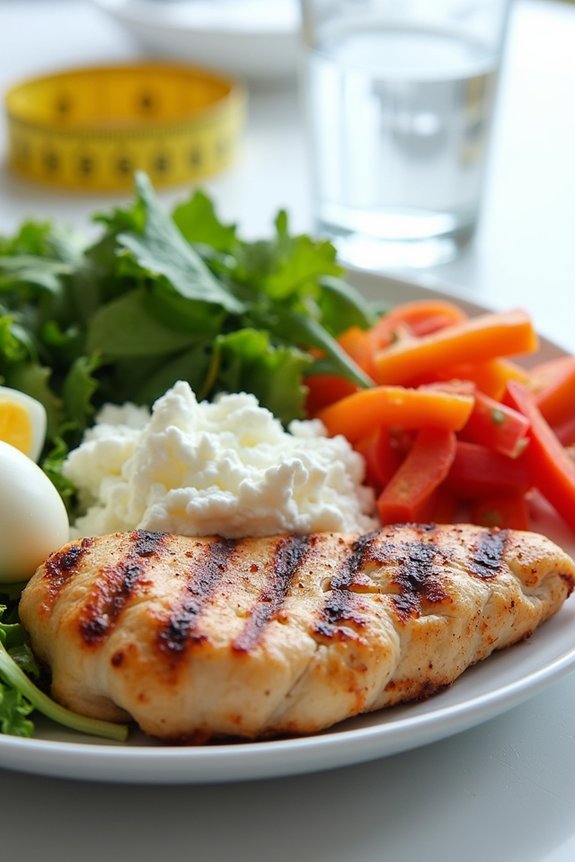
Although rapid weight loss demands a strict caloric deficit, maintaining a high protein intake plays an essential role in supporting your goals. High protein intake during rapid weight loss helps you preserve lean muscle mass, which keeps your metabolism robust. It also enhances fullness, reducing hunger and making it easier to stick to your calorie limits.
Here’s why it matters:
- Protein increases satiety hormones like peptide YY while lowering hunger hormone ghrelin.
- It boosts energy expenditure through the thermic effect of food, aiding fat loss.
- Consuming about 1 gram of protein per pound of goal weight supports muscle retention and metabolic health.
Focus on lean meats, fish, eggs, dairy, legumes, and nuts to guarantee nutritional balance during your rapid weight loss phase. High-quality protein powders, such as whey isolates, can also be a convenient way to meet your protein needs efficiently.
Designing a Resistance Training Routine to Preserve Muscle
Resistance training plays an essential role in preserving muscle mass during rapid weight loss. To effectively maintain muscle while learning how to lose 20 lbs in a month, you should train at least 3-4 times weekly.
Opt for an upper/lower split routine if training four days or full-body workouts three days a week, ensuring you target all major muscle groups. Focus on compound exercises like squats, deadlifts, and presses, which engage multiple muscles simultaneously and maximize workout efficiency.
Avoid skipping exercises to maintain balanced strength and prevent muscle loss. Combining this resistance training approach with a caloric deficit helps protect lean muscle tissue, vital for sustaining metabolism during weight loss.
Following this plan supports muscle preservation as you drop pounds quickly and safely. Incorporating supplements like collagen peptides can further enhance muscle strength and recovery during your training regimen.
Managing Hunger and Cravings on a Low-Calorie Diet
You can manage hunger and cravings effectively by focusing on appetite control strategies like drinking water before meals and choosing high-protein, fiber-rich foods that keep you full longer.
Opting for nutrient-dense options guarantees you get essential vitamins while staying within calorie limits.
Practicing mindful eating helps you recognize true hunger cues, preventing overeating and supporting your weight loss goals.
Additionally, incorporating supplements that enhance GLP-1 production can support appetite suppression and improve metabolic function.
Appetite Control Strategies
Three key strategies can help you manage hunger and cravings effectively on a low-calorie diet. These appetite control strategies are essential if you want to learn how to lose 20 pounds in 1 month without feeling deprived.
First, drink water before meals to promote fullness and reduce calorie intake.
Second, include protein-rich foods and high-fiber options like vegetables and whole grains to slow digestion and increase satiety.
Third, practice mindful eating: eat slowly and savor each bite to tune into your hunger cues and curb overeating.
Additionally, keep healthy snacks like nuts or yogurt handy to prevent impulsive, high-calorie choices.
Incorporating high-protein shakes like Core Power Elite, which deliver 42 grams of protein per serving, can further support appetite control and muscle recovery during your weight loss journey.
Applying these evidence-based approaches will help you stay on track and manage hunger confidently throughout your rapid reset plan.
Nutrient-Dense Food Choices
Building on appetite control strategies, focusing on nutrient-dense food choices can further help you manage hunger and cravings on a low-calorie diet. Nutrient-dense foods like vegetables, lean proteins, and whole grains provide essential vitamins and minerals while keeping calories low. High-fiber and protein-rich foods increase satiety, reducing overall calorie intake. Water-rich foods add fullness without extra calories, supporting hunger management. Additionally, activating GLP-1 naturally enhances feelings of fullness and appetite regulation, which can support your dietary goals.
| Food Type | Examples | Benefits |
|---|---|---|
| Vegetables | Spinach, broccoli | Low calorie, high fiber |
| Lean Proteins | Chicken, fish, beans | Increased fullness, controls cravings |
| Whole Grains | Quinoa, oats | Slow digestion, sustained energy |
| Water-Rich Foods | Cucumber, watermelon | Hydration, low calorie fullness |
Mindful Eating Techniques
A mindful eating approach can greatly improve your ability to manage hunger and cravings on a low-calorie diet. By focusing on the eating experience, you become more aware of your body’s hunger and fullness signals, which helps prevent overeating.
Incorporating mindful eating techniques like these can support your weight loss efforts:
- Eat slowly and without distractions to better recognize when you’re satisfied.
- Place utensils down between bites to encourage thorough chewing and mindfulness.
- Tune into your body’s preferences, leading to improved food choices over time.
Research shows that practicing these mindful eating techniques reduces calorie intake and enhances digestion.
This awareness not only helps control cravings but also increases adherence to your dietary plan, making it a powerful tool if you want to lose weight in 1 month or beyond. Additionally, natural supplements containing appetite suppression ingredients can complement mindful eating to further manage hunger effectively.
Essential Micronutrients to Support Health on a Rapid Plan
To support your rapid weight loss, you’ll need key vitamins like B6 and B12 to boost energy and minerals such as calcium and magnesium for metabolic health.
Maintaining hydration and electrolyte balance with potassium and sodium is essential to prevent fatigue and muscle cramps.
Prioritizing these micronutrients helps keep your body functioning efficiently during a calorie deficit.
Additionally, supporting your liver's natural detoxification processes with antioxidant protection can enhance overall metabolic efficiency and energy levels.
Key Vitamins for Energy
Vitamins act as essential catalysts in your body's energy production, especially during rapid weight loss. As you aim to drop 20 pounds of fat, ensuring you get key vitamins for energy is important to sustain liveliness and performance.
B-complex vitamins convert the food you eat into usable energy, fueling your daily activities and workouts. Vitamin D supports muscle function, keeping you strong as you challenge your body. Vitamin C acts as an antioxidant, reducing oxidative stress from intense exercise to help you recover efficiently.
- B-complex vitamins: Drive energy metabolism by breaking down carbs, fats, and proteins
- Vitamin D: Maintains muscle strength during calorie deficits
- Vitamin C: Protects cells and aids recovery during rapid fat loss
Focusing on these vitamins helps you maintain energy and health while shedding pounds effectively. Additionally, supplements like berberine HCl have been shown to promote metabolic enhancement by activating AMPK enzymes, supporting natural appetite suppression and energy balance during weight loss.
Minerals for Metabolic Support
Although focusing on vitamins is important, minerals like magnesium, zinc, and selenium play an equally vital role in supporting your metabolism during rapid weight loss.
These minerals for metabolic support aid essential processes: magnesium fuels over 300 biochemical reactions, including energy metabolism and muscle function, significant when you’re in a calorie deficit.
Zinc helps regulate hormones, improving insulin sensitivity and appetite control, which can enhance fat loss.
Selenium supports thyroid hormone metabolism and acts as an antioxidant, maintaining metabolic health amid dietary changes.
To optimize your rapid weight loss plan, include mineral-rich foods like nuts, seeds, seafood, and leafy greens.
If needed, consider supplements under professional guidance to guarantee you meet your mineral needs and sustain metabolic efficiency throughout your weight loss journey.
Additionally, supporting your gut lining with probiotics such as Akkermansia Muciniphila can improve nutrient absorption and regulate appetite, further aiding your metabolic health.
Hydration and Electrolyte Balance
Since your body relies heavily on water for metabolic functions, maintaining proper hydration is vital when following a rapid weight loss plan. Hydration and electrolyte balance directly influence your energy levels, muscle function, and appetite control, all critical when learning how to lose 20 pounds in 1 month.
To optimize your hydration status, focus on these key points:
- Drink water consistently throughout the day, especially before and during meals, to support metabolism and reduce calorie intake.
- Include electrolyte-rich foods like leafy greens, avocados, and nuts to maintain sodium, potassium, and magnesium levels.
- Monitor urine color; pale yellow indicates adequate hydration, while darker shades signal the need for more fluids.
- Incorporating natural supplements with electrolyte support such as potassium and Vitamin B6 can reduce swelling and improve mobility during weight loss.
These strategies guarantee your body stays balanced, energized, and ready for rapid weight loss success.
Hydration Strategies for Effective Weight Loss
When you drink water before and during meals, you can boost feelings of fullness, which often leads to eating less and cutting calories naturally. This simple hydration strategy supports your goal of how to lose 20 pounds in 2 months by reducing overall calorie intake without extra effort.
Additionally, replacing sugary drinks with water cuts unnecessary calories that otherwise hinder weight loss progress. Staying well-hydrated also helps optimize metabolic functions, promoting more efficient fat burning.
Research confirms that maintaining adequate hydration not only aids in losing weight but plays an essential role in keeping it off long-term. By integrating these hydration habits into your daily routine, you’ll enhance satiety, lower calorie consumption, and improve metabolism—key factors in achieving effective, sustainable weight loss.
Tracking Progress: Tools and Techniques for Accountability
Tracking your weight loss progress with consistent tools and techniques plays an essential role in staying accountable and motivated.
Consistently tracking your weight loss progress helps maintain accountability and keeps motivation high.
If you aim to lose 20 lbs in 2 months, tracking progress guarantees you adjust strategies promptly. Use reliable methods to monitor and maintain your focus.
Consider these evidence-based tools:
- Regular weigh-ins at the same time weekly provide objective data on your weight trends.
- A food journal identifies eating patterns, helping you make informed dietary changes.
- Fitness and nutrition apps track calories and activity, offering real-time feedback for daily adjustments.
Common Mistakes to Avoid During Rapid Weight Loss
Don’t skip meals to cut calories, as this often backfires by increasing hunger and leading to overeating later.
Overtraining can also harm your progress by causing fatigue and muscle loss, which slows metabolism.
Instead, focus on balanced nutrition and a sustainable workout routine to support healthy, rapid weight loss.
Skipping Meals Risks
Although skipping meals might seem like a quick way to cut calories, it often backfires by increasing hunger and causing overeating later. Skipping meals disrupts your metabolism, making it harder to lose weight and maintain energy throughout the day.
You may also risk nutrient deficiencies, which can affect overall health and exercise performance. To avoid these pitfalls, focus on consistent eating habits that support your weight loss goals.
Consider these risks of skipping meals:
- Increased hunger leading to overeating and poor food choices
- Energy dips that reduce motivation for physical activity
- Nutrient gaps that impair bodily functions and recovery
Overtraining Consequences
One common mistake during rapid weight loss is overtraining, which can seriously undermine your progress. Overtraining consequences include fatigue, decreased performance, and a higher risk of injury, all of which can stall your efforts to lose weight effectively.
If you notice persistent muscle soreness, irritability, or disrupted sleep patterns, these are signs that you may be pushing your body too hard. Excessive cardio without proper rest can cause muscle loss, slow your metabolism, and even lead to weight regain.
To avoid these pitfalls, make sure to include rest days and listen to your body’s signals. A balanced plan combining resistance training, cardiovascular exercise, and proper nutrition will help you lose weight efficiently while preserving muscle and boosting fat loss.
Meal Planning Tips for the 30-Day Rapid Reset
Three key principles will help you enhance your meal planning for the 30-Day Rapid Reset: prioritizing protein, incorporating plenty of non-starchy vegetables, and balancing healthy fats.
To know how to lose 20 pounds in 1 month effectively, focus on these scientifically supported strategies. Aim for 1 gram of protein per pound of your goal weight to preserve muscle while losing fat. Fill your plate with low-calorie, high-fiber non-starchy vegetables to enhance fullness.
Finally, include healthy fats at a minimum of 0.3 grams per pound of goal weight to support hormone balance and nutrient absorption.
- Prepare meals ahead to maintain your caloric deficit and avoid temptations
- Use lean proteins and green veggies during PSMF days for ideal fat loss
- Balance macros consistently to sustain energy and metabolic health throughout the month
Incorporating Cardiovascular Exercise Safely and Effectively
Since cardiovascular exercise plays a key role in creating a caloric deficit, incorporating it safely and effectively can accelerate your weight loss progress. Aim for at least 150 minutes of moderate-intensity or 75 minutes of high-intensity cardio weekly, as recommended by the CDC.
Choose activities like brisk walking, running, cycling, or swimming to boost calorie burn and enhance heart health. To maximize fat loss, consider adding high-intensity interval training (HIIT), which elevates your metabolic rate even after you finish exercising.
Start slowly, gradually increasing intensity and duration to avoid injury and build consistency. Pair cardiovascular exercise with resistance training to preserve lean muscle mass, supporting a healthy metabolism throughout your weight loss journey.
This balanced approach guarantees safe, effective progress toward your goal.
The Role of Sleep and Stress Management in Weight Loss
To lose 20 pounds in 30 days, you need to prioritize getting 7-9 hours of quality sleep, as insufficient rest boosts hunger hormones and makes calorie control tougher.
Managing stress is equally important because high cortisol levels increase cravings and can lead to emotional eating.
Incorporating relaxation techniques like mindfulness can lower stress hormones and support your weight loss goals effectively.
Sleep Duration Importance
Many factors influence your weight loss journey, but getting enough quality sleep plays a critical role. Understanding the sleep duration importance is key when learning how to lose 20 pounds effectively.
Research shows adults sleeping less than 7 hours experience increased ghrelin (hunger hormone) and decreased leptin (fullness hormone), making cravings harder to resist. Adequate sleep—7 to 9 hours—boosts metabolism and energy regulation, helping you maintain a caloric deficit.
To optimize sleep for weight loss, focus on:
- Keeping a consistent sleep schedule every night
- Creating a cool, dark, and quiet sleep environment
- Avoiding screens and stimulants before bedtime
Prioritizing these habits supports your rapid reset plan by improving sleep quality and enhancing your body's weight loss potential.
Stress Hormones Impact
Improving your sleep quality sets the stage for better hormone regulation, but managing stress is equally important in your weight loss journey. Elevated stress hormones, especially cortisol, increase your appetite and cravings for high-calorie foods, which can hinder weight loss efforts.
Chronic stress also disrupts sleep patterns, compounding hormonal imbalances that drive hunger and reduce metabolic function. By keeping cortisol levels in check through effective stress management, you support a healthier appetite and boost your weight loss progress.
Prioritizing consistent sleep hygiene alongside stress control creates a powerful synergy, helping your body regulate hormones naturally. Focusing on both sleep and stress hormones guarantees you’re not only cutting calories but also optimizing the internal environment necessary for sustainable weight loss.
Relaxation Techniques Benefits
When you incorporate relaxation techniques into your routine, you actively reduce cortisol levels, which helps control appetite and limits fat storage, especially around the abdomen.
The relaxation techniques benefits extend beyond hormone regulation—they also improve sleep quality, which is essential for managing hunger hormones and preventing overeating.
Using stress management techniques such as mindfulness can curb emotional eating by fostering healthy coping mechanisms.
To maximize your weight loss efforts, consider:
- Practicing mindfulness meditation to reduce stress and improve focus on hunger cues
- Establishing a consistent sleep schedule in a cool, dark environment
- Engaging in relaxation exercises like deep breathing to manage cravings
Prioritizing these strategies enhances motivation and supports adherence to your diet and exercise plan.
Supplements That May Support Rapid Weight Loss Efforts
Supplements can play a supportive role in your rapid weight loss journey by enhancing metabolism, curbing appetite, or preserving muscle mass.
Among supplements that may support rapid weight loss efforts, green tea extract is notable for boosting metabolism and promoting fat oxidation.
Green tea extract supports rapid weight loss by enhancing metabolism and increasing fat burning.
Conjugated linoleic acid (CLA) may reduce body fat while helping maintain lean muscle, though individual results vary.
Garcinia cambogia contains hydroxycitric acid, which might suppress appetite and inhibit fat production, but research remains mixed.
Fiber supplements, such as glucomannan, can increase fullness, helping you consume fewer calories.
Protein powders are valuable for preserving muscle mass during calorie deficits and promoting satiety, making it easier to stick to your diet.
While these supplements can aid your plan, they work best alongside a balanced diet and consistent exercise.
How to Adjust the Plan Based on Individual Needs
Because everyone's body responds differently to diet and exercise, you'll need to adjust your weight loss plan based on your individual progress and needs.
If you want to know how to lose 20 lbs in 2 months, start by calculating your daily caloric intake using your goal weight multiplied by 10. Then, tweak it weekly based on your results. Tailor your protein and fat intake accordingly, and consider incorporating Protein Sparing Modified Fast (PSMF) days to manage hunger and preserve muscle.
Monitor your progress closely to make timely adjustments.
- Adjust calories weekly to maintain a sustainable deficit
- Include resistance training 3-4 times weekly for muscle retention
- Use food journals and weigh-ins to track patterns and outcomes
This personalized approach guarantees safe, effective weight loss.
Transitioning From the Rapid Reset to a Sustainable Lifestyle
After tailoring your weight loss plan and seeing progress, the next step involves shifting your focus from rapid results to maintaining those achievements over time.
To sustain your ability to lose 20 pounds, gradually increase your calorie intake to avoid rapid weight regain while continuing healthy habits. Incorporate regular physical activity and prioritize balanced nutrition with whole foods, lean proteins, and healthy fats.
Maintain your weight loss by gradually increasing calories, staying active, and focusing on balanced, nutritious foods.
Practice mindful eating to better recognize hunger cues and prevent overeating. Setting long-term health goals will help you move beyond quick fixes and create lasting lifestyle changes.
Additionally, building a support network through friends, family, or online communities provides ongoing motivation and accountability essential for maintaining your weight loss and fostering a sustainable, healthy lifestyle.
Psychological Strategies to Stay Motivated and Focused
When you set specific, achievable goals like losing 1-2 pounds per week, you create a clear roadmap that keeps your motivation steady and your focus sharp.
To successfully lose 20lbs in a month, leverage psychological strategies that support consistent progress. First, track your journey by weighing in regularly and journaling meals, which highlights patterns and boosts accountability.
Second, build a support network—friends or online groups provide encouragement and reduce feelings of isolation.
Third, practice mindful eating by savoring each bite, which curbs overeating and enhances satisfaction.
These strategies work together to maintain your drive and concentration, ensuring you stay committed to your rapid reset plan and make meaningful, lasting changes toward your weight loss goal.
Realistic Weight Loss Outcomes: What to Expect After 30 Days
Staying motivated with psychological strategies sets a strong foundation, but understanding realistic weight loss outcomes helps you set achievable expectations.
While dropping 20 pounds in 30 days sounds appealing, most people experience a weight loss of 4-8 pounds per month when following sustainable methods. Those with higher body fat percentages may lose 2-4 pounds weekly, but rapid weight loss often causes muscle loss, slowing metabolism and increasing rebound risk.
Over 90% of rapid losers regain weight, highlighting the need for long-term habits. Setting goals of 1-2 pounds per week promotes lasting success.
Success Stories: Learning From Others Who Dropped 20 Pounds
You can learn a lot by examining real-life weight loss stories from those who dropped 20 pounds in 30 days.
These success stories reveal effective strategies like high-protein diets, regular resistance training, and mindful eating, all while overcoming common challenges such as maintaining motivation.
Real-life Weight Loss
Although losing 20 pounds in 30 days requires dedication, many people have achieved this by setting realistic weekly goals of 1-2 pounds, combining dietary adjustments with regular exercise.
Real-life weight loss success stories show you can reach your target by focusing on sustainable habits rather than quick fixes.
Key factors that contribute to effective weight loss include:
- Tracking food intake and practicing mindful eating to maintain awareness and control.
- Incorporating resistance training to preserve muscle mass while in a caloric deficit.
- Building a support system or accountability partner to stay motivated and consistent.
Strategies That Worked
Three key strategies consistently emerge from success stories of people who dropped 20 pounds: setting achievable weekly goals, adopting a high-protein diet, and combining cardio with resistance training. These approaches help you stay motivated, control hunger, and preserve muscle while losing fat. If you want to lose 20 pounds in 2 weeks, focusing on these methods boosts your chances safely and effectively.
| Strategy | Why It Works |
|---|---|
| Achievable Goals | Keeps motivation and progress clear |
| High-Protein Diet | Reduces appetite and calorie intake |
| Cardio + Resistance | Burns fat and maintains muscle |
| Mindful Eating | Prevents overeating and aids control |
Incorporate these proven strategies to build a plan that’s realistic and evidence-based for losing weight fast.
Overcoming Common Challenges
Building on effective strategies like setting achievable goals and combining diet with exercise, many who successfully lost 20 pounds faced common challenges along the way.
Understanding overcoming common challenges is key to answering how can you lose 20 pounds in 2 months. You’ll likely encounter obstacles such as:
- Plateaus in weight loss despite consistent effort, requiring adjustments in caloric intake or exercise routines.
- Maintaining muscle mass by incorporating resistance training 3-4 times weekly, which prevents loss of lean tissue.
- Staying motivated through smaller milestones and a strong support system to sustain accountability.
Frequently Asked Questions
Is It Possible to Lose 20LBS in 30 Days?
You can lose 20 pounds in 30 days, but it’s unsafe and unsustainable. Instead, focus on gradual weight loss through a balanced diet, exercise, and behavior changes to protect your muscle mass and support long-term health.
Is Reset Weight Loss Legit?
You can find reset weight loss plans legit for short-term results, but they often risk muscle loss and rebound weight gain. Focus on sustainable habits and gradual changes for lasting, healthy weight loss instead of quick fixes.
How Much Weight Can I Realistically Lose in 30 Days?
You can realistically lose 4-8 pounds in 30 days by creating a calorie deficit through diet and exercise. Faster loss risks muscle loss and rebound weight gain, so aim for steady, sustainable progress to stay healthy.
What Is the Best Diet to Lose 20 Pounds in a Month?
Sure, just eat whatever you want and expect magic—just kidding. You’ll want a high-protein, high-fiber diet with a 1,000-calorie daily deficit, avoid refined carbs, and practice mindful eating for safe, effective 20-pound weight loss in a month.
Final Thoughts
Picture yourself 30 days from now—lighter, stronger, and energized—having shed those 20 pounds through a science-backed plan that protected your muscle and boosted your metabolism. By committing to smart nutrition, strategic exercise, and sustainable habits, you’ve reset your body without deprivation or burnout. This isn’t just a quick fix; it’s your foundation for lasting health. Stay focused, trust the process, and watch your transformation unfold with confidence and clarity.
If you want to know other articles similar to Drop 20 Pounds in 30 Days: The Science-Backed Rapid Reset Plan you can visit the Weight Loss category.
7 Surprising Foods That Lower Blood Pressure and Melt Belly Fat

7 High-Carb Foods Sabotaging Your Weight Loss Without You Knowing

How a 30-Minute Walk Burns Fat Faster Than You Think

Burn Fat Faster: The Single Exercise Proven to Triple Weight Loss

Unlocking Strawberry Carbs: How Many Berries Fit Your Weight Loss Plan

7 Hidden Reasons Your Weight Won’t Budge—And How to Fix Them Fast

7 Unexpected Habits That Melt Belly Fat for a Noticeably Flatter Stomach

Unlock Your Optimal Fat Burning Heart Rate for 2x Faster Results

Zero-Carb Foods That Melt Fat Fast: Your Ultimate Weight Loss List
This is also interesting