
In urban areas, you'll find a concentration of high-paying jobs, top-tier educational institutions, and diverse industries leading to higher salaries and career growth. Proximity to financial markets and robust infrastructure tailor-made for wealth attraction increase your access to job opportunities and financial services. Meanwhile, rural areas offer affordable land, tax incentives, and lower living costs, fostering strong community ties and potential for growth. Embracing the cost-of-living variances between urban and rural settings can impact your wealth accumulation. Understanding the distinct advantages each area provides is essential for maximizing your financial growth potential. Explore deeper into the factors influencing wealth attraction.
Key Takeaways
- Urban areas offer higher-paying jobs and dynamic job markets for wealth accumulation.
- Rural areas provide lower living costs, tax incentives, and diverse investment opportunities.
- Proximity to top-tier educational institutions and financial services in urban areas enhances wealth growth.
- Strong community ties and affordable land options in rural areas support steady wealth accumulation.
- Understanding cost of living differences is crucial for optimizing financial decisions between urban and rural areas.
Urban Areas Advantages for Wealth Attraction

Urban areas present a multitude of opportunities for wealth accumulation through diverse investment avenues and robust career prospects. The concentration of high-paying jobs in urban areas acts as a magnet for individuals seeking to amass wealth efficiently.
Additionally, access to top-tier educational institutions and networking opportunities in urban settings provides a fast track for ambitious wealth seekers. One of the key advantages of urban areas is the better access to financial services tailored for wealth management. Private banking services, investment firms, and wealth management advisors are more readily available in urban centers, offering sophisticated financial solutions to optimize wealth growth.
Furthermore, the proximity to major financial markets and business hubs in urban areas enhances the potential for wealth accumulation through strategic investments. The infrastructure and ecosystem of urban areas are finely tuned to cater to the financial needs of individuals looking to leverage their assets effectively, making urban locations ideal for those focused on wealth attraction.
Rural Areas Advantages for Wealth Attraction

Rural areas offer distinct advantages for wealth attraction, including affordable land prices, potential tax incentives, and a lower cost of living. These factors create favorable conditions for individuals looking to save money, invest in property, and build financial stability over time.
Strong community ties and access to natural resources further contribute to the potential for wealth accumulation in rural areas.
Rural Land Affordability
With its more favorable pricing compared to urban counterparts, rural land presents a compelling opportunity for wealth accumulation and property investment. Rural areas offer affordable land options that can serve as a gateway to building substantial wealth through real estate ventures.
Lower land costs in rural regions attract investors seeking long-term growth and development opportunities. Larger land parcels at reduced prices in rural areas enable individuals to engage in diverse ventures like agriculture, business establishments, and recreational properties, fostering wealth creation.
Investing in rural land not only provides a strategic avenue for wealth appreciation but also allows for potential future development, enhancing the overall value of the property. Embracing the affordability of rural land can be a wise financial decision for those looking to expand their wealth portfolio.
Potential Tax Incentives
Potential tax incentives in rural areas play a significant role in attracting wealth by offering lower property tax rates and various tax breaks for businesses. These incentives include tax credits for investments in local infrastructure or job creation, exemptions for agricultural equipment, energy-efficient upgrades, or research and development investments.
Wealth accumulation in rural areas is further encouraged through tax abatements on new construction, equipment purchases, or land improvements. Additionally, rural areas with tax increment financing (TIF) districts or enterprise zones can provide extra incentives for economic development and wealth accumulation.
Such tax benefits make rural areas appealing for individuals and businesses seeking to grow their wealth while reducing their tax burden.
Lower Cost of Living
Benefiting from a lower cost of living, rural areas offer distinct advantages for attracting wealth.
The essential housing options in rural areas play a vital role in reducing expenses, allowing individuals to invest in property ownership and accumulate equity efficiently.
Additionally, the decreased costs of everyday necessities like groceries, transportation, and healthcare in rural regions enable residents to save more and channel additional funds towards savings and investments.
Lower property taxes and utility expenses further contribute to the financial benefits of rural living, facilitating better financial management and steady wealth growth.
Job Opportunities in Urban Settings

Urban areas provide a dynamic job market with a wide array of career opportunities in sectors like technology, finance, healthcare, and entertainment.
The urban setting fosters career growth potential due to the concentration of diverse industries and businesses seeking skilled professionals.
In comparison to rural areas, urban job markets offer higher salaries and enhanced prospects for advancing in one's career.
Urban Job Market
The dynamic urban job market presents a plethora of job opportunities spanning various industries and sectors, attracting a highly skilled and diverse workforce due to its concentration of businesses and organizations.
- Urban job markets offer a wide range of job opportunities across various industries and sectors.
- Urban settings attract a highly skilled and diverse workforce due to the concentration of businesses and organizations.
- Job growth in urban areas is driven by innovation, technology, and access to specialized services.
- Urban job markets provide better chances for career advancement and networking opportunities compared to rural areas.
- The competitive nature of urban job markets leads to higher salaries and benefits for employees.
Career Growth Potential
Shifting from the urban job market to the aspect of career growth potential, the landscape of job opportunities in urban settings is characterized by a dynamic and diverse array of pathways for professional advancement. Urban areas offer a wide range of job opportunities across various industries, leading to greater career growth potential. Cities provide access to a diverse and dynamic job market, catering to different skill sets and career paths. The concentration of businesses and organizations in urban settings creates a fertile ground for professional development and advancement. Urban environments often have higher demand for skilled labor, fostering a competitive job market with ample opportunities for career progression. The networking opportunities and industry clusters in urban areas can significantly boost one's career trajectory and earning potential.
| Key Points | Details |
|---|---|
| Career Growth Potential | Urban areas offer various industries and diverse job opportunities, fostering professional advancement. |
| Networking Opportunities | Urban settings provide a conducive environment for networking and industry connections, enhancing career growth potential. |
| Skilled Labor Demand | Higher demand for skilled labor in urban environments creates a competitive job market with abundant opportunities for career progression. |
Diversity in Industries
With a plethora of industries spanning finance, technology, healthcare, and entertainment, urban areas present a rich landscape of job opportunities for individuals seeking diverse career paths.
- Urban areas offer diverse job opportunities across industries, attracting a skilled workforce.
- Job diversity in urban areas leads to higher income potential and career growth opportunities.
- Urban job markets provide a range of employment options, from corporate positions to creative roles.
- The concentration of industries fosters innovation, networking, and professional development.
- Industries in urban settings offer individuals the chance to specialize and advance in various fields.
Investment Potential in Rural Settings

Exploring rural settings for investment potential reveals unique opportunities for wealth accumulation through diverse asset portfolios. Rural areas, despite often being overshadowed by urban counterparts, present lower costs of living, making them attractive for wealth accumulation strategies.
Investing in these settings goes beyond traditional assets, offering opportunities for diversification like business ownership, real estate, and agricultural ventures. Additionally, certain rural areas exhibit promising growth in key industries, providing the potential for substantial returns on investments.
Strategic financial decisions in rural markets can pave the way for individuals to build long-term wealth and financial stability. By delving into investment opportunities in rural settings, investors can access unique benefits and opportunities for wealth attraction that may not be as readily available in urban areas.
Considering the investment potential in rural environments can be a powerful tool for those seeking to expand their wealth portfolios strategically.
Cost of Living Variances

Cost of living disparaties between urban and rural areas greatly impact wealth accumulation potential for residents. When contemplating where to reside for financial gain, understanding the cost of living variances is essential. Here are some key points to keep in mind:
- Urban Areas: Generally have a higher cost of living due to increased housing, transportation, and overall living expenses.
- Rural Areas: Offer lower housing costs, transportation expenses, and overall living costs, potentially freeing up more disposable income.
- Cost of Goods and Services: Can vary greatly between urban and rural areas, affecting the overall financial picture.
- Wealth Accumulation: Lower cost of living in rural areas can provide residents with greater opportunities to save and invest, leading to potential wealth accumulation.
- Financial Advantages: Understanding the cost of living differences is vital in making informed decisions about the financial benefits of urban versus rural living.
Quality of Life in Urban Centers

Urban centers boast a plethora of amenities and services, from top-tier healthcare facilities to world-class educational institutions.
The robust public transportation systems in cities offer unparalleled convenience and connectivity for residents, enhancing overall quality of life.
Additionally, the vibrant cultural scene in urban areas provides a rich tapestry of experiences, including museums, theaters, and music venues, contributing to a well-rounded and fulfilling lifestyle.
Urban Amenities and Services
With a plethora of amenities ranging from shopping malls to cultural attractions, urban centers greatly enhance the quality of life for their residents. Urban areas offer excellent healthcare facilities, educational institutions, and public services, promoting overall well-being.
Job opportunities are abundant in cities, with professional networks and career advancement prospects readily available for those seeking economic growth and development. The vibrant social scene in urban centers, including events, festivals, and entertainment venues, fosters a lively environment for socializing and connecting with others.
Transportation options like public transit systems and ride-sharing services make commuting and traveling more convenient, further boosting the appeal of urban living.
Urban Transportation Options
Enhancing the urban lifestyle, diverse transportation options in city centers play a vital role in shaping the quality of life for residents. Public transportation in urban areas, including subways, buses, and ride-sharing services, enhances mobility and convenience while reducing the need for personal vehicle ownership, thereby lowering transportation costs.
Well-developed urban transportation networks lead to reduced traffic congestion, shorter commute times, and increased access to job opportunities and amenities. Urban areas with bike lanes, pedestrian-friendly streets, and bike-sharing programs promote sustainable modes of transportation.
Investment in modern transportation infrastructure like high-speed trains and light rail systems improves connectivity between neighborhoods, ultimately boosting the overall quality of life in urban environments. Efficient public transportation systems are essential for the prosperity and well-being of urban dwellers.
Urban Cultural Opportunities
In addition to experiencing a rich tapestry of cultural offerings, urban centers provide residents with a diverse array of artistic and entertainment opportunities. Urban areas host a plethora of cultural events, ranging from world-renowned museums to intimate music venues.
The residents in these bustling regions have easier access to festivals and entertainment options, enhancing their quality of life. The presence of cultural institutions and artistic expressions enriches the urban landscape, creating a vibrant social scene with a variety of dining, cafe, and nightlife choices.
Additionally, the cultural diversity in urban centers fosters creativity, innovation, and a dynamic community environment, making these areas hubs of inspiration and interaction.
Community Dynamics in Rural Areas
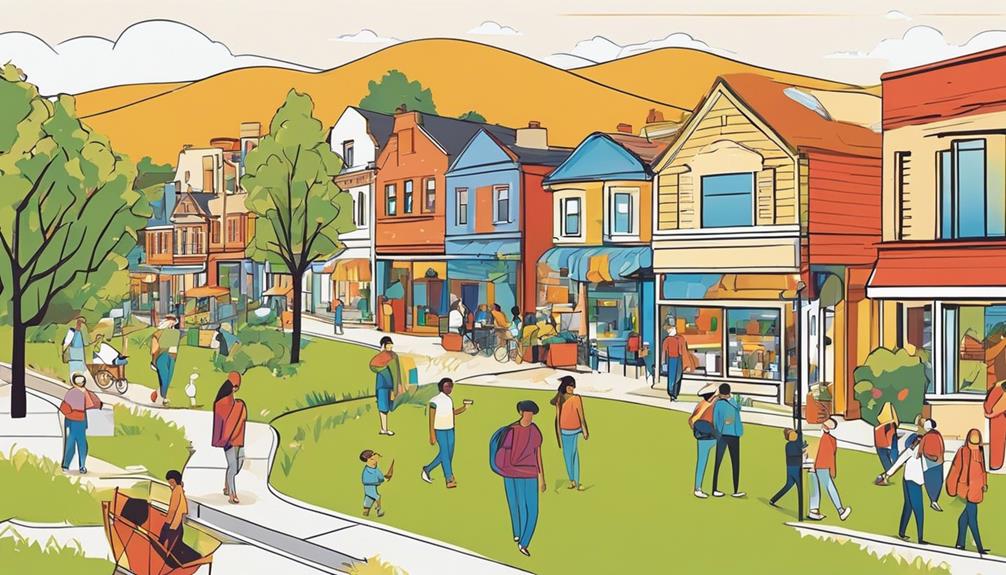
Community dynamics in rural areas greatly shape residents' affective and evaluative place identity, with age playing a moderating role in this relationship. Rural residents tend to have stronger emotional connections to their local communities compared to urban dwellers, leading to a heightened sense of place identity. Research underscores the significance of community type in influencing place identity, particularly emphasizing the impact within rural settings. The differences in place identity between rural and urban residents surpass variations found between different sizes of communities, highlighting the significant role that rural community dynamics play in shaping residents' perceptions of where they belong.
These findings suggest that the social fabric and interactions within rural communities have a significant effect on how individuals develop their sense of place and attachment to their surroundings. Understanding the unique dynamics present in rural areas is important for comprehending the nuances of residents' place identity and the factors that contribute to their emotional ties to their community.
Industry Diversity in Urban Zones
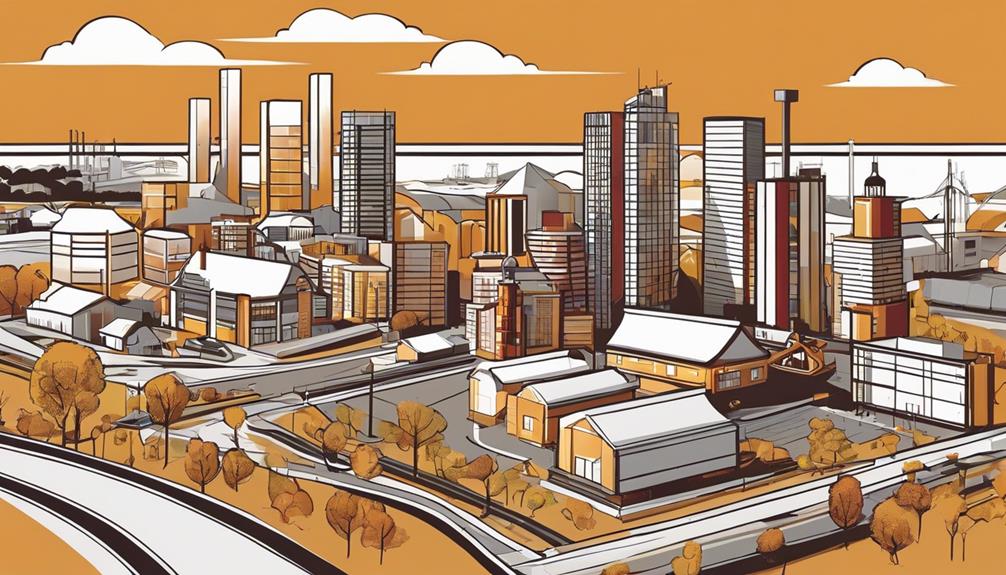
Urban areas showcase a diverse array of industries, encompassing sectors such as technology, finance, healthcare, and entertainment, which collectively contribute to their economic vibrancy. This industry diversity in urban zones plays a vital role in driving economic growth and fostering a dynamic business environment.
- Industry diversity in urban areas attracts a diverse workforce, leading to innovation and increased job opportunities.
- Concentration of multiple industries in urban zones results in economic growth and wealth creation.
- Diversified industries reduce reliance on a single sector, enhancing economic resilience in urban areas.
- Urban zones with varied industries experience higher levels of investment, leading to infrastructure development and economic stability.
- The presence of multiple industries in urban areas attracts diverse talent pools, further supporting growth and development.
The mix of technology, finance, healthcare, and entertainment sectors in urban areas not only boosts economic activity but also attracts investment for infrastructure development, making these regions powerhouses of economic opportunity and growth.
Market Access in Urban Locations
With higher population density and increased consumer demand, urban locations provide superior market access compared to rural areas. In urban settings, businesses benefit from proximity to suppliers, distribution channels, and essential business services, facilitating efficient operations. The table below highlights the key advantages of market access in urban locations, emphasizing the strategic benefits of networking opportunities and access to diverse talent pools.
| Key Advantages of Market Access in Urban Locations | |
|---|---|
| Higher Population Density | Urban areas offer a larger customer base and potential for business growth. |
| Proximity to Suppliers | Access to suppliers is easier, reducing logistics costs and enhancing supply chain efficiency. |
| Networking Opportunities | Urban settings provide a platform for connecting with industry peers, fostering collaborations and partnerships. |
| Access to Skilled Labor | Availability of specialized talent in urban areas supports innovation and boosts competitiveness. |
Lifestyle Choices Impact on Wealth
Lifestyle choices play a significant role in determining the level of wealth accumulation achievable in different residential settings. When it comes to urban versus rural areas, these choices can have a profound impact on your financial growth. Here are some key points to ponder:
- Cost of Living: Urban areas often come with higher living costs due to housing expenses, transportation, and overall lifestyle expenditures.
- Spending Habits: Cultural activities and entertainment in urban settings can lead to higher spending, affecting your ability to save and invest for wealth accumulation.
- Rural Advantage: Rural areas typically offer a lower cost of living, allowing residents to save more and potentially build wealth at a faster pace.
- Savings Potential: The differences in lifestyle choices between urban and rural areas can influence your ability to save, invest wisely, and grow your wealth over time.
- Informed Decisions: Understanding how lifestyle choices impact wealth can empower you to make informed judgments about where to live to optimize your financial growth.
Frequently Asked Questions
Are Urban Areas Richer Than Rural Areas?
Yes, urban areas generally have higher average incomes and wealth levels than rural areas due to factors like job opportunities and industry diversity. Urban areas attract more investment and offer higher-paying jobs, leading to increased wealth concentration.
Which Is Best Urban or Rural Areas?
In weighing the choice between urban and rural areas, consider factors like growth potential, investment diversity, and lifestyle preferences. Your decision should align with your financial objectives and risk appetite for maximum wealth accumulation.
Are People Happier in Cities or Rural?
In cities, you may find convenience and opportunities, but in rural areas, a stronger sense of identity and connection. Each offers unique advantages; your happiness depends on what resonates with your values and lifestyle.
Why Are Rural Areas Better Than Urban Areas?
You reap financial benefits in rural areas due to higher net worth, business ownership concentration, and lower living costs. Urban areas offer diversification advantages. Invest in retirement for stability. Wealth attraction varies based on lifestyle and financial goals.
Conclusion
To sum up, when evaluating the best urban vs rural areas for wealth attraction, it's important to consider the advantages each setting offers. Urban areas provide job opportunities and market access, while rural areas have investment potential and lower cost of living. Ultimately, the lifestyle choices you make can greatly impact your wealth accumulation.
So, choose wisely and enjoy the journey to financial prosperity in either setting.