








How to Choose a Baby Room Air Purifier


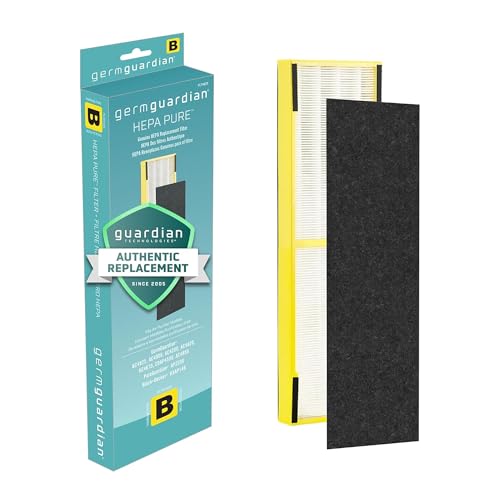
You want an air purifier with a true HEPA filter to capture tiny allergens and pollutants, plus an activated carbon filter to reduce odors and VOCs. Choose a model with low noise—ideally below 50 dB—to protect your baby’s sleep. Match the purifier’s CADR to the nursery size for effective cleaning, and look for smart features like filter reminders and air quality sensors. Proper size, placement, and maintenance also play key roles. Exploring these factors further guarantees you provide the healthiest air for your little one.
Table
- Main Points
- Why Clean Air Matters for Your Baby’s Health
- Essential Filtration Features for Baby Room Air Purifiers
- Noise Levels and Their Impact on Baby’s Sleep
- Evaluating Air Purifier Performance and Energy Use
- Size and Placement Considerations for Nurseries
- Smart Features and Usability for Busy Parents
- Maintenance Tips to Keep Your Air Purifier Effective
- Frequently Asked Questions
- Final Thoughts
Main Points
- Choose a purifier with a True HEPA filter and activated carbon to remove allergens, fine particles, and harmful VOCs effectively.
- Ensure the Clean Air Delivery Rate (CADR) matches the nursery size for efficient pollutant removal.
- Select a unit with noise levels below 50 dB, ideally around 39 dB, to avoid disturbing the baby’s sleep.
- Prioritize models with child lock features and filter replacement indicators for safety and consistent performance.
- Opt for purifiers with smart sensors and app connectivity for easy air quality monitoring and maintenance reminders.
Why Clean Air Matters for Your Baby’s Health
Because infants are especially sensitive to indoor air pollution, ensuring clean air in your baby’s room is essential for their health and safety.
Indoor air pollutants like dust, pet dander, and mold introduce airborne particles that can compromise your baby’s immune system. These pollutants increase the risk of asthma, respiratory infections, and other serious conditions. Many parents choose purifiers with a True HEPA filter because they can capture 99.97% of particles as small as 0.3 microns for optimal protection.
By reducing allergens and contaminants, you help support healthy lung development and create a nurturing environment important for your baby’s health. Poor air quality can even contribute to sudden infant death syndrome (SIDS), underscoring the significance of maintaining clean air.
When you prioritize air purity, you’re not just protecting your child’s breathing—you’re fostering a foundation for lifelong well-being. Your commitment to clean air is a critical act of care for your infant’s future.
Essential Filtration Features for Baby Room Air Purifiers

When selecting an air purifier for your baby’s room, focusing on essential filtration features guarantees the highest level of protection against airborne pollutants. Choose a unit with HEPA filters to remove 99.97% of tiny particles, coupled with an activated carbon filter to tackle VOCs and odors. A high Clean Air Delivery Rate (CADR) assures swift air purification, while user-friendly filter replacement indicators and a child lock enhance safety and maintenance ease. For nurseries, it’s also beneficial to consider models with quiet operation specifically designed to minimize noise, creating a more peaceful sleep environment for your baby. Below is a comparison of essential features to guide you in selecting the most effective option for improving indoor air quality.
| Feature | Importance for Baby Room Air Purifiers |
|---|---|
| HEPA Filters | Captures allergens and fine particles effectively |
| Activated Carbon Filter | Removes harmful VOCs and unpleasant odors |
| Clean Air Delivery Rate | Assures quick, efficient air cleaning |
| Filter Replacement | Maintains consistent purifier performance |
| Child Lock | Prevents unintended tampering, enhancing safety |
Noise Levels and Their Impact on Baby’s Sleep

You’ll want to choose an air purifier with noise levels at or below 50 dB to avoid disrupting your baby’s sleep, especially during overnight use.
Adjusting fan speeds can help balance clean air circulation with quiet operation, ensuring a soothing environment.
Ideal Noise Levels
Although maintaining clean air is essential, you must prioritize selecting an air purifier with noise levels at or below 50 decibels to protect your baby’s sleep quality.
Air purifiers for babies that operate around 39 dB or lower, like whisper-quiet machines, provide a perfect balance—offering continuous operation without noise that can disrupt sleep.
A gentle hum near 50 dB is generally acceptable, but exceeding this risks disturbing your infant’s peaceful sleep and compromising optimal sleep quality.
Choosing a model with low noise levels guarantees the purifier runs quietly throughout the night, supporting a calm environment where your baby can rest undisturbed.
By focusing on ideal noise levels, you safeguard your child’s sleep while maintaining clean air in their nursery.
Fan Speed Considerations
Because fan speed directly affects noise levels, choosing the right setting is crucial to preserving your baby’s sleep quality.
When selecting an air purifier, keep these fan speed considerations in mind:
- Opt for a lower fan speed to guarantee quiet operation, which maintains a calming atmosphere and reduces disruptive noise.
- Verify the maximum noise level; models like the Alen Flex with 50.7 dB are ideal for continuous operation without disturbing your baby.
- Balance the need for ideal air quality with noise output—continuous operation at a gentle fan speed provides clean air while protecting your baby’s rest. When comparing options, look for air purifiers with True HEPA filters that operate below 30dB in Sleep Mode to ensure both effective filtration and minimal noise disruption.
Sound Impact on Sleep
How much does noise affect your baby’s sleep? Noise above 60 dB can disrupt your infant’s rest, so choosing a whisper-quiet air purifier is essential. Models like the Levoit Core 300S operate at 39 dB, ensuring a peaceful environment. Some air purifiers also provide white noise, which masks sudden sounds and creates a calming atmosphere, enhancing sleep quality. Continuous operation improves air quality but only if noise levels stay low, ideally below 50 dB. For example, the AROEVE MK01 operates as quietly as 22 dB in sleep mode, making it particularly suitable for nurseries and baby rooms. Here’s a quick guide:
| Feature | Impact on Sleep |
|---|---|
| Noise > 60 dB | Disrupts baby’s sleep |
| Whisper-quiet (~20 dB) | Supports a peaceful environment |
| Levoit Core 300S (39 dB) | Suitable for nurseries |
| White noise feature | Masks disruptive sounds |
| Continuous operation | Maintains air quality, needs low noise |
Choose wisely to protect your baby’s sleep.
Evaluating Air Purifier Performance and Energy Use

When choosing a baby room air purifier, you’ll want to focus on performance metrics like the Clean Air Delivery Rate (CADR), noise levels, and energy consumption to secure both efficiency and comfort. These factors guarantee the air purification system effectively removes pollutants while maintaining a peaceful environment for your child.
- CADR and Effective Room Size: Select a purifier with a CADR that matches your nursery’s size; higher CADR means better removal of dust, pollen, and smoke. For example, some purifiers use a three-stage filtration system to more efficiently capture allergens and fine particles.
- Noise Level: Opt for units under 50 dB to avoid disrupting your baby’s sleep, such as models with HEPA filters that operate quietly.
- Energy Consumption and Filter Replacement Frequency: Consider annual energy costs and how often you’ll need to replace filters, as frequent changes increase maintenance expenses.
Balancing these secures clean air without compromising comfort or cost.
Size and Placement Considerations for Nurseries

Selecting the right size air purifier and placing it correctly in your nursery are crucial steps to guarantee effective air cleaning. Choose an air purifier that matches your nursery’s size, making sure it covers the maximum room area indicated, like the Levoit Core 300S for rooms up to 219 sq. ft. For ideal placement, keep the purifier away from walls and furniture to maintain airflow and avoid blocking vents. Position it near pollutant sources such as doorways or vents to enhance purification. Make certain it’s stable on a flat surface and out of your baby’s reach, securing any cords for safety. Continuous operation is important to sustain clean air, especially during sleep, protecting your little one from harmful pollutants and creating a healthier environment.
Smart Features and Usability for Busy Parents
Although managing a nursery keeps you busy, smart air purifiers can simplify maintaining clean air effortlessly.
Choosing a purifier with smart features like app connectivity lets you monitor air quality and adjust settings remotely, saving you time. Look for models with built-in air quality sensors that automatically enhance fan speed to maintain ideal air purification without manual effort. Many quality purifiers now include filter replacement reminders to ensure you never miss essential maintenance.
User-friendly displays offer real-time updates on air quality and filter life, making it easy to keep track. Additionally, consider these essential features:
- Quiet operation below 50 dB to preserve your baby’s restful sleep
- Child locks and timers to prevent accidental changes and guarantee consistent use
- Intuitive controls designed for busy parents, enhancing usability and peace of mind
These smart usability features support a healthier nursery environment with minimal hassle.
Maintenance Tips to Keep Your Air Purifier Effective
To keep your baby’s air purifier working at its best, you’ll need to replace the HEPA filters regularly and clean the exterior surfaces to prevent dust buildup. Pay close attention to any air quality sensors—they’ll help you know exactly when it’s time for maintenance. These simple steps guarantee the purifier continues providing clean, healthy air for your little one. For even better results, consider using a model with real-time air quality updates so you always know when your purifier needs attention.
Regular Filter Replacement
Since your baby's health depends on clean air, you need to replace the HEPA filters regularly, usually every 6 to 12 months, following the manufacturer's guidelines.
Regular filter replacement guarantees your air purifier maintains peak performance and continues to clean the air effectively in the nursery.
To keep your air purifier efficient and extend filter life, focus on these key steps:
- Monitor the filter replacement indicator light, if your model has one, to know exactly when it’s time for a change.
- Clean the pre-filter every few weeks to remove larger particles, boosting overall efficiency.
- Keep track of costs and stock replacement filters in advance to avoid downtime.
Cleaning Exterior Surfaces
Maintaining your baby’s air purifier starts with regularly cleaning its exterior surfaces. Use a damp cloth to gently remove dust and allergens, which helps keep the unit effective in improving air quality.
Don’t forget to wipe down the air intake and outlet vents, as dust buildup there can block airflow and diminish performance. Ultra-quiet operation is also maintained when vents are kept clean, ensuring the purifier remains suitable for bedrooms and nurseries. Avoid harsh chemicals or abrasive materials; these can damage your purifier’s surface and harm its function.
Regularly check and clean the pre-filter following the manufacturer’s instructions to support the HEPA filter’s efficiency and extend its lifespan.
Also, keep the area around the air purifier clear of obstructions and debris to guarantee ideal airflow and prevent contamination.
By maintaining these cleaning habits, you safeguard your baby’s environment and the purifier’s performance.
Monitoring Air Quality
Keeping your baby’s air purifier in top condition goes beyond cleaning its exterior surfaces.
To guarantee effective air purification and protect the air in your baby’s room, you need to monitor air quality regularly. Use built-in sensors or external devices to track real-time air quality levels and adjust settings for maximum performance.
Here are three essential maintenance tips:
- Change the HEPA and activated carbon filters according to manufacturer guidelines, usually every 6 to 12 months, to remove pollutants efficiently.
- Keep an eye on filter replacement indicators to avoid clogged filters that reduce purifier effectiveness.
- Run the air purifier continuously to maintain consistent air cleaning and safeguard your baby’s environment.
Frequently Asked Questions
Should You Put an Air Purifier in a Baby Room?
You should put an air purifier in your baby’s room to improve air quality and guarantee baby safety. Choose one with low noise levels, effective filter types, no ozone emissions, energy efficiency, and follow maintenance tips for allergy relief.
How to Purify Air in a Baby Room?
Think of your baby's room as a sanctuary—boost air quality by reducing dust mites, pet dander, chemical pollutants, and mold spores with proper ventilation, quiet operation, and effective filter types, ensuring your baby's health thrives.
Is It Better to Have a Humidifier or Air Purifier for a Baby?
You’ll find air purifier effectiveness excels in allergy reduction and respiratory health, while humidifier benefits soothe dry air. Compare noise levels, maintenance, energy use, cost, and product reviews to choose what best supports your baby’s comfort.
How to Determine Room Size for Air Purifier?
You calculate room dimensions by multiplying length and width for square footage calculation. Consider room height, airflow requirements, and air purifier capacity, balancing filtering efficiency, noise levels, energy usage, and placement strategies to guarantee ideal air quality and comfort.
Final Thoughts
Choosing the right air purifier for your baby’s room isn’t just a nice-to-have—it’s like giving your little one a magical force field against invisible threats! You want high-quality filtration, whisper-quiet operation, and smart features that make your life easier. Remember, clean air means healthier lungs and sweeter sleep for your baby. With the right purifier, you’re not just improving air quality—you’re creating a safe, cozy haven your baby truly deserves.
If you want to know other articles similar to How to Choose a Baby Room Air Purifier you can visit the Air Purifiers & Humidifiers category.
3 Best Air Purifiers for Baby Room Dust

Why Choose a Compact Air Purifier for Nursery?

Best Portable Air Purifiers for Baby Strollers

7 Tips for Choosing Baby Asthma Air Purifiers

7 Best Air Purifiers for Baby Nurseries

5 Tips for Choosing Baby Allergy Air Purifiers

Why Choose an Air Purifier With Night Light?

5 Tips for Choosing the Best Air Purifier for Newborns

Why Are Air Purifiers Safe for Infants?
This is also interesting