

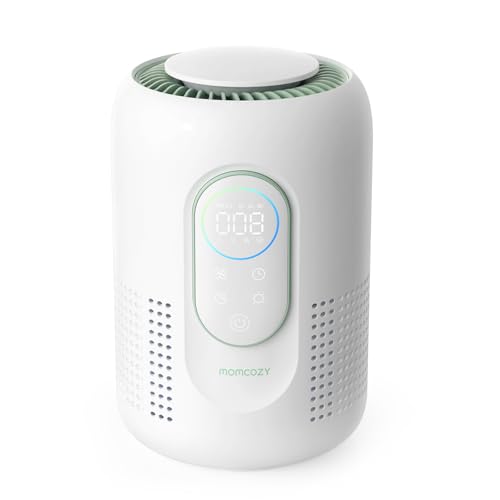

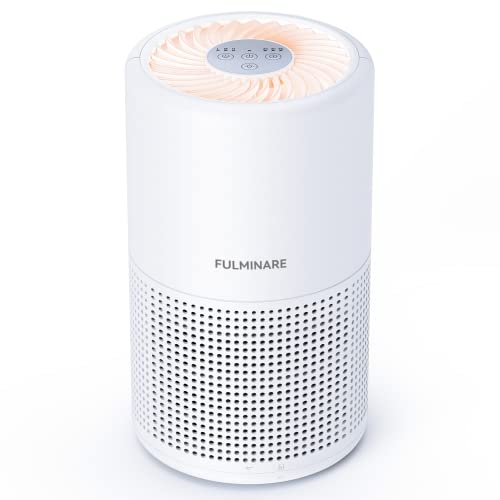
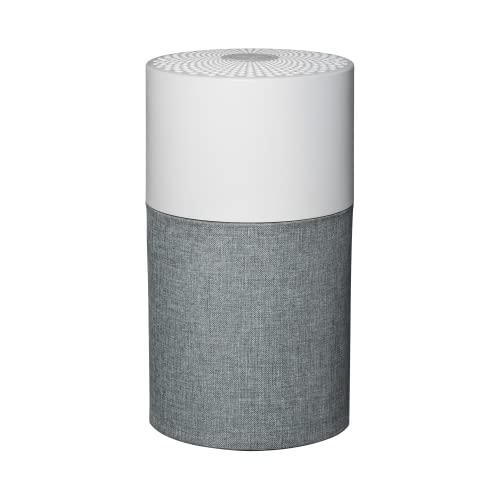
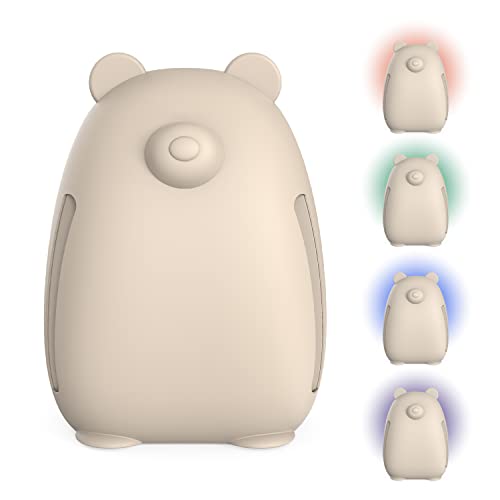
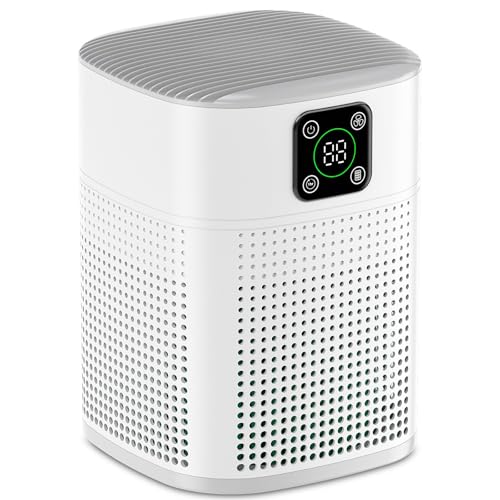
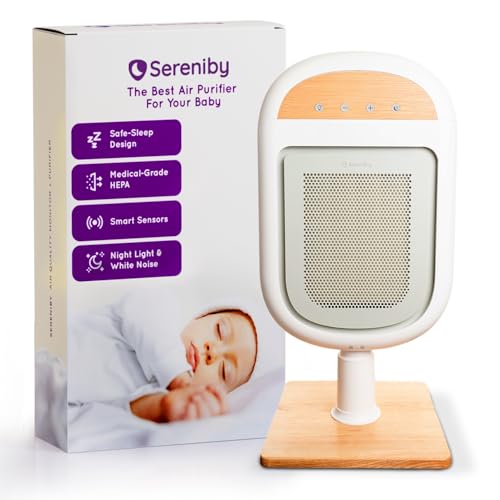
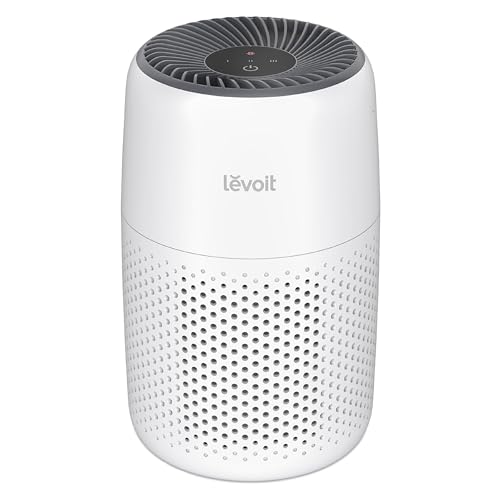
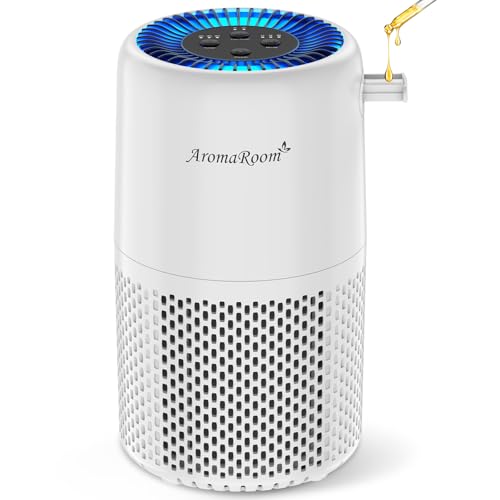
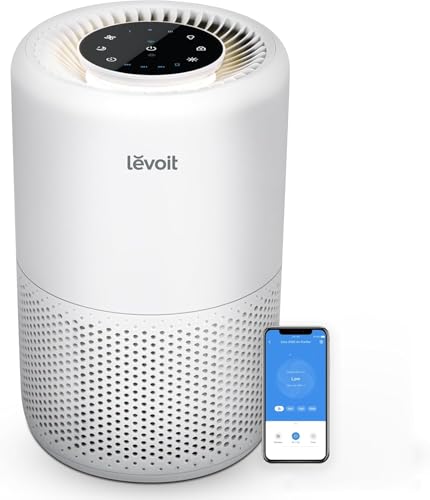
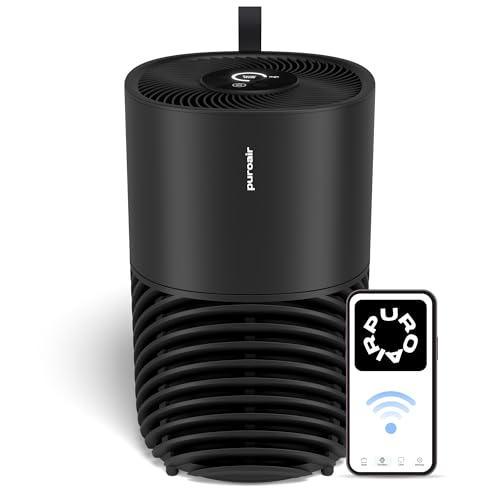
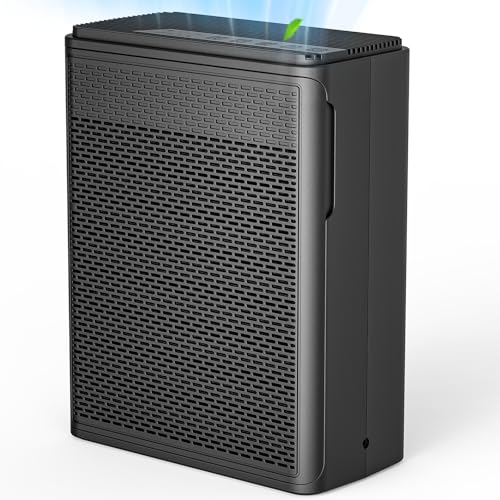

Why Choose a HEPA Air Purifier for Baby?


You should choose a HEPA air purifier for your baby because it traps 99.97% of tiny airborne particles like dust, pollen, and pet dander that can irritate sensitive lungs and trigger allergies. These purifiers operate quietly, ensuring your baby sleeps soundly while breathing cleaner air. With features designed for safety and efficiency, they help prevent respiratory issues and promote healthy development. Discover how selecting the right purifier and using it properly can create the healthiest nursery environment.
Table
- Main Points
- The Importance of Clean Air in a Baby’s Nursery
- How HEPA Filters Work to Protect Your Baby
- Benefits of Using HEPA Air Purifiers for Infant Health
- Features to Look for in a Baby-Friendly HEPA Air Purifier
- Safe Placement and Maintenance of HEPA Air Purifiers in Nurseries
- Enhancing Sleep Quality With Quiet HEPA Air Purifiers
- Combining HEPA Purifiers With Other Nursery Air Quality Practices
- Frequently Asked Questions
- Final Thoughts
Main Points
- HEPA air purifiers capture 99.97% of harmful airborne particles, protecting babies' sensitive lungs from allergens and pollutants.
- Ultra-quiet operation ensures the purifier does not disturb the baby’s sleep while maintaining clean air.
- Reduces respiratory risks and asthma triggers, supporting healthier breathing and development in infants.
- Activated carbon filters in HEPA purifiers remove odors and volatile organic compounds for improved air quality.
- Features like child locks and filter indicators enhance safety and maintenance in nursery environments.
The Importance of Clean Air in a Baby’s Nursery
Because babies have developing immune systems, clean air in their nursery is essential to protect them from indoor pollutants that can cause respiratory issues and other health problems.
You want to create an environment free from allergens and pollutants like dust mites, pet dander, mold spores, and volatile organic compounds (VOCs) that can trigger allergies or asthma. Using devices with ultra-quiet operation ensures your baby sleeps soundly while still benefiting from improved air quality.
Since babies spend so much time indoors, the air quality in the baby’s nursery directly impacts their health and well-being.
Using a HEPA air purifier helps improve indoor air quality by capturing at least 99.97% of harmful particles, ensuring the air remains clean and safe.
Prioritizing this clean air in your baby’s nursery is a critical step in safeguarding their health and supporting their growth.
How HEPA Filters Work to Protect Your Baby
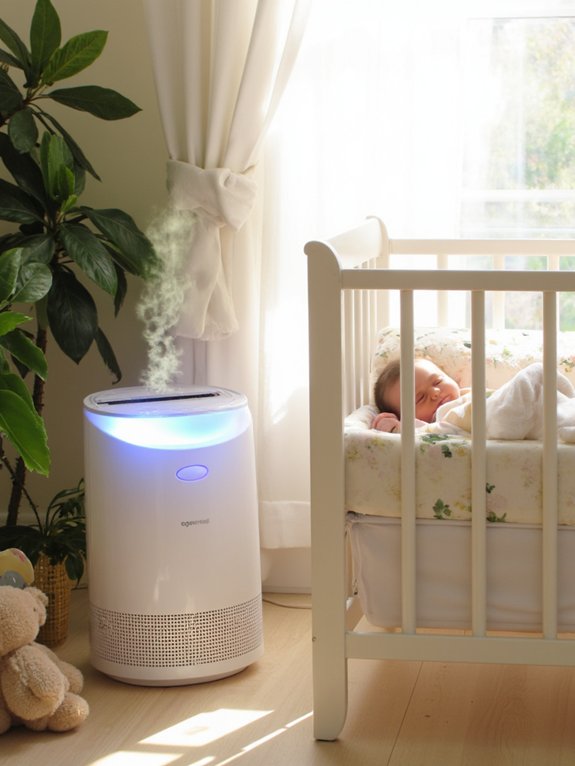
You want the cleanest air possible for your baby’s nursery, and HEPA filters deliver by capturing at least 99.97% of tiny particles like dust, pollen, and pet dander.
These filters trap allergens and pollutants that could irritate your baby's sensitive lungs, helping to reduce respiratory risks.
Choosing a HEPA filter means you’re using a proven, safe way to protect your little one from harmful airborne contaminants.
Many modern air purifiers, such as the MOOKA B-D02L, utilize advanced H13 True HEPA filtration to further enhance removal of even smaller particles and provide ultra-quiet performance in a nursery setting.
Particle Capture Efficiency
While many air filters struggle to trap the smallest particles, HEPA filters excel by capturing at least 99.97% of airborne particles as tiny as 0.3 microns—such as dust, pollen, and pet dander—that commonly trigger allergies in infants. By efficiently removing these harmful pollutants, HEPA filters improve indoor air quality, supporting your baby’s developing immune system and reducing risks of respiratory issues and allergies. This advanced air purification guarantees the clean air your baby needs for ideal health. Many top-rated nursery purifiers also use true HEPA filters, which are recommended for optimal air quality and effective removal of allergens and pollutants.
| Particle Type | Size (microns) | Capture Efficiency (%) |
|---|---|---|
| Dust | 0.3 - 10 | 99.97 |
| Pollen | 10 - 100 | 99.97 |
| Pet Dander | 0.3 - 10 | 99.97 |
| Other Pollutants | 0.3 | 99.97 |
Trust HEPA filters to safeguard your baby’s health with superior particle capture.
Allergen and Pollutant Removal
HEPA filters don’t just capture particles—they actively remove allergens and pollutants that threaten your baby’s health.
By trapping at least 99.97% of airborne contaminants as small as 0.3 microns, HEPA technology effectively cleans the air of common allergens like dust mites, pollen, and pet dander.
It also removes harmful pollutants such as mold spores and smoke, reducing indoor air pollution that can trigger respiratory issues in infants. Many modern HEPA purifiers, like the AROEVE MK01, feature ultra-quiet operation and energy efficiency, making them ideal for use in sensitive environments such as nurseries.
This physical filtration creates a safe environment without releasing harmful byproducts.
To maintain peak air quality and continued protection, you must prioritize regular filter replacement.
Doing so guarantees your HEPA purifier efficiently removes allergens and pollutants, giving your baby the clean, healthy air they deserve every day.
Benefits of Using HEPA Air Purifiers for Infant Health
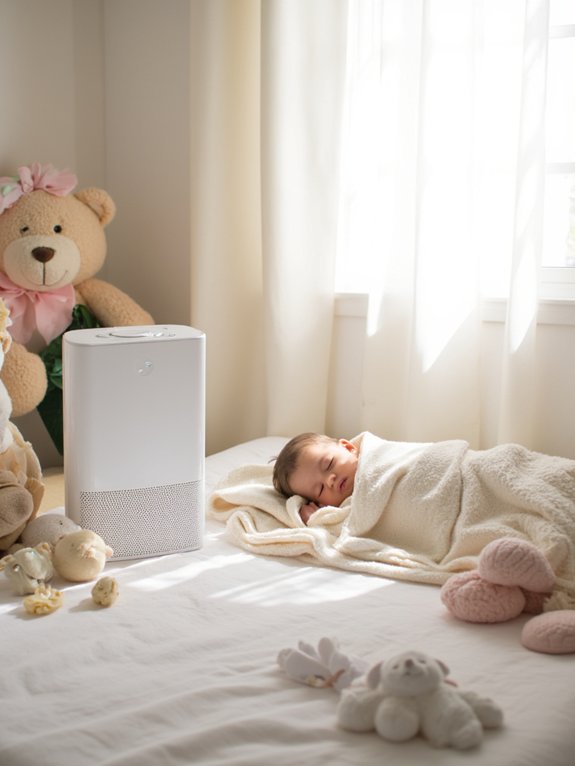
Because infants have delicate respiratory systems, maintaining clean air in their environment is vital for their health and development.
HEPA air purifiers effectively capture at least 99.97% of airborne pollutants and allergens, including common allergens like dust mites, pollen, and pet dander. Many models also feature quiet operation designed for nurseries, ensuring that air purification does not disturb your baby's sleep.
By reducing these irritants, you can considerably lower the risk of respiratory issues and asthma in your baby.
Health organizations recommend HEPA air purifiers as a safe choice to improve indoor air quality, which supports better sleep and fewer respiratory infections.
Using a HEPA air purifier in your nursery guarantees cleaner air, promoting ideal infant health and well-being.
This proactive step helps you protect your baby from harmful pollutants and contributes to their healthy growth and development.
Features to Look for in a Baby-Friendly HEPA Air Purifier
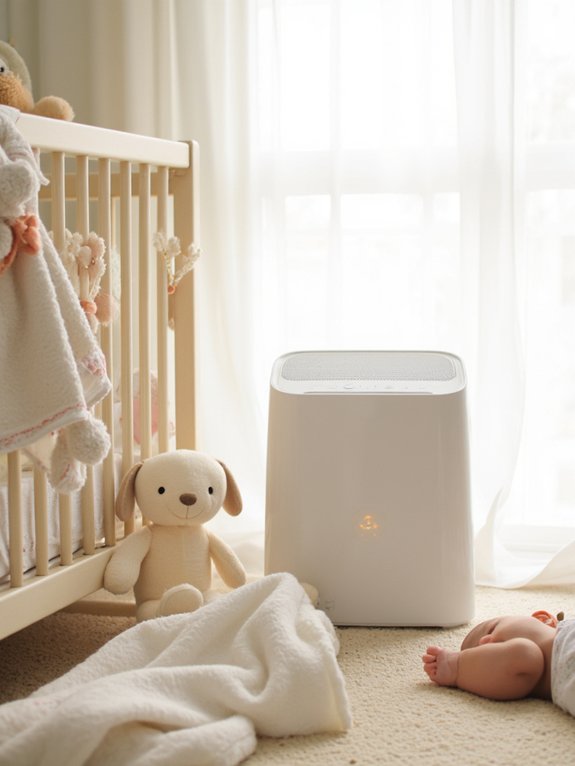
When choosing an air purifier for your baby's nursery, you want to focus on features that guarantee both effectiveness and safety. Prioritize HEPA filters capturing 99.97% of particles, plus activated carbon filters to remove VOCs and odors. Low noise levels under 30 decibels keep the environment calm for restful sleep. Verify the Clean Air Delivery Rate (CADR) matches the room size for ideal pollutant removal. Safety features like child locks and filter change indicators help maintain purifier efficiency and prevent accidents.
| Feature | Benefit |
|---|---|
| HEPA filters | Captures tiny airborne pollutants |
| Activated carbon filters | Eliminates VOCs and odors |
| Noise levels | Maintains quiet nursery environment |
| Clean Air Delivery Rate | Matches purifier to room size |
| Safety features | Protects baby and verifies timely upkeep |
Safe Placement and Maintenance of HEPA Air Purifiers in Nurseries
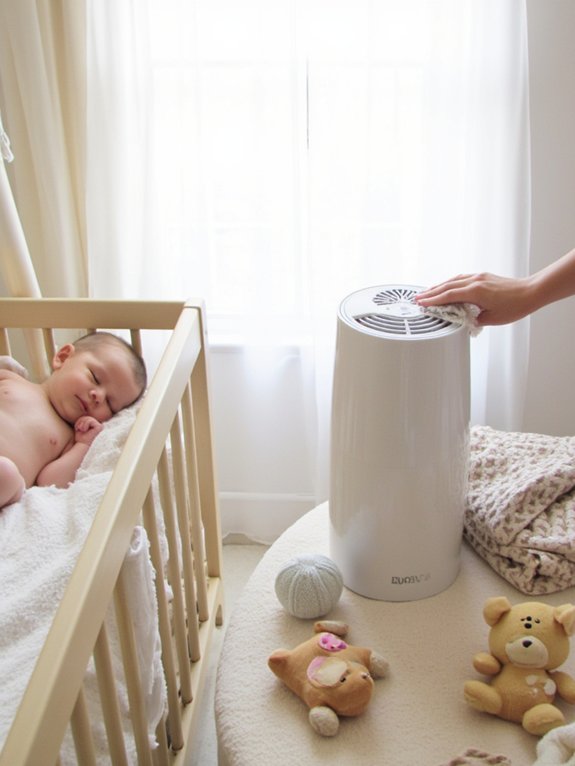
You’ll want to place the HEPA air purifier at least three feet away from your baby’s crib and in an open space to guarantee it works effectively without disturbing sleep.
Keep cords and the unit out of reach to prevent accidents, and don’t forget to replace the filter every 6 to 12 months based on the manufacturer’s instructions.
Regular maintenance and proper placement will help maintain a safe, healthy environment for your little one.
Choosing a model with low noise operation ensures the air purifier can run continuously in your baby's nursery without interrupting restful sleep.
Proper Placement Guidelines
Although choosing a HEPA air purifier is an essential step, placing it correctly in your nursery guarantees it works safely and effectively.
For proper placement, keep the purifier at least three feet away from your baby’s crib to maintain safe airflow and prevent accidents. Smart features, such as remote monitoring, allow you to keep track of air quality and adjust settings without disturbing your baby’s sleep.
Position it in an open area, free from walls and furniture, so it can clean the air efficiently by circulating and filtering airborne pollutants.
Avoid blocking the unit with curtains or decorations, as this reduces air quality.
Regular cleaning of the purifier’s exterior and vents helps maintain performance and complements your filter maintenance routine.
By following these guidelines, you maintain your HEPA air purifier operates at peak efficiency, creating a healthier environment for your baby’s nursery.
Routine Filter Maintenance
Keeping your HEPA air purifier in the right spot is just the start; maintaining its filter regularly guarantees it continues to provide clean, safe air for your baby.
Routine filter maintenance is essential to combat indoor pollution effectively in your baby’s nursery. Follow the manufacturer’s guidelines for filter changes, typically every 6 to 12 months, depending on the filter’s use and air quality. For optimal performance, genuine replacement filters are recommended, as they help protect the device and ensure it operates at peak efficiency.
Monitor air quality indicators on your HEPA air purifier to know when it’s time to replace filters, ensuring peak airflow and consistent clean air.
Position the unit at least three feet from the crib to maintain safety and airflow.
Finally, keep cords out of reach and clean the exterior regularly to support the purifier’s efficiency and your child’s well-being.
Enhancing Sleep Quality With Quiet HEPA Air Purifiers
When you choose a HEPA air purifier for your baby's room, you benefit from its quiet operation, often producing less than 30 decibels of sound—soft enough to maintain a peaceful sleep environment.
This quiet operation, combined with gentle white noise, helps mask disruptive sounds, supporting longer, uninterrupted infant sleep patterns.
HEPA air purifiers markedly improve air quality by removing airborne allergens and pollutants, which is essential for your baby’s respiratory health and overall sleep quality.
HEPA air purifiers enhance nursery air quality by eliminating allergens, supporting your baby’s respiratory health and better sleep.
Many models include sleep modes that lower fan speed and noise levels during the night, ensuring a truly restful night for your little one.
By enhancing the nursery environment this way, you actively promote healthier, more consistent sleep, which is critical for your baby's growth and well-being.
Combining HEPA Purifiers With Other Nursery Air Quality Practices
Maximizing your baby's nursery air quality goes beyond just using a HEPA air purifier.
To create a truly healthy nursery environment, pair your purifier with regular cleaning routines, like dusting and vacuuming using HEPA-equipped vacuums, to reduce allergens effectively.
Maintaining ideal humidity around 40% helps prevent mold growth and dust mites, complementing your purifier’s work.
Choose non-toxic cleaning products to minimize volatile organic compounds, enhancing air quality further.
Proper ventilation guarantees fresh airflow and helps dissipate indoor pollutants.
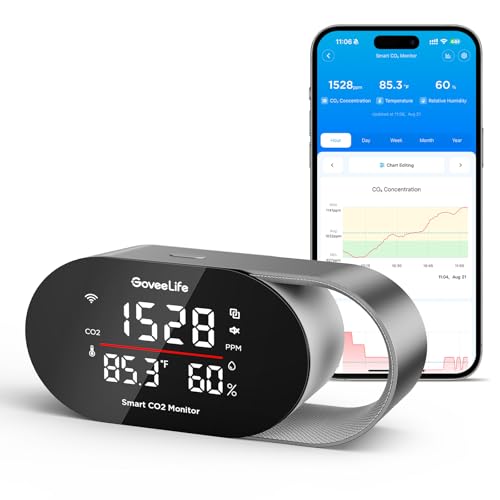
Using an air quality sensor lets you monitor real-time conditions, so you can adjust your practices for the best results.
Combining these steps with HEPA air purifiers creates a safer, cleaner space that nurtures your baby’s well-being every day.
Frequently Asked Questions
Are HEPA Air Purifiers Safe for Babies?
You can trust HEPA filter safety for your baby since it reduces allergens like dust mites and pet dander, improves air quality, prevents respiratory issues and asthma, and supports better sleep quality for your baby’s health.
What Are the Benefits of a HEPA Air Purifier?
You improve air quality, reduce indoor pollution, and provide allergy relief by using HEPA filters. You trap dust mites, pet dander, and smoke, support respiratory health, prevent asthma, all while enjoying quiet sound levels for peace.
Will an Air Purifier Help With Baby Congestion?
Yes, an air purifier improves air quality by removing allergens like dust mites and pet dander, promoting better air circulation. This eases baby congestion, clears nasal passages, supports respiratory health, and enhances sleep quality despite environmental factors.
Is It Better to Have a Humidifier or Air Purifier for a Baby?
Just as winter’s chill demands a warm cloak, you’ll find humidifier benefits soothe moisture levels, while air purifier effectiveness boosts indoor air quality, allergy relief, dust reduction, and respiratory health—both essential for baby sleep through seasonal changes.
Final Thoughts
Choosing a HEPA air purifier for your baby’s nursery is like giving them a protective shield against invisible threats. You’re not just improving air quality—you’re creating a safer, healthier environment where your little one can breathe easy and sleep soundly. By selecting the right purifier and maintaining it properly, you’re taking a powerful step to support your baby’s health and comfort every day. It’s peace of mind you—and your baby—deserve.
 Top Nursery Furniture Sets Featuring Changing Tables
 Top Bluetooth Baby Bouncer Reviews and Setup Guide
If you want to know other articles similar to Why Choose a HEPA Air Purifier for Baby? you can visit the Air Purifiers & Humidifiers category.
15 Best Baby Room Air Purifiers for a Clean and Healthy Nursery in 2025
3 Best Air Purifiers for Baby Room Dust
How to Choose a Baby Room Air Purifier
Why Choose a Compact Air Purifier for Nursery?
Best Portable Air Purifiers for Baby Strollers
7 Tips for Choosing Baby Asthma Air Purifiers
7 Best Air Purifiers for Baby Nurseries
5 Tips for Choosing Baby Allergy Air Purifiers

Why Choose an Air Purifier With Night Light?
This is also interesting