


Best Energy Efficient Air Purifiers for Baby Rooms


You’ll want an energy-efficient air purifier with HEPA filtration to capture 99.97% of allergens and keep your baby’s room safe from airborne particles. Choose models like the Levoit Core 300S, which runs quietly at 39 dB, guaranteeing minimal sleep disruption while saving on electricity. Look for units with low noise levels, activated carbon filters for odor control, and appropriate CADR for your nursery size. Proper placement and regular filter changes maintain peak performance. Explore key features and maintenance tips to guarantee the best air quality.
Table
Main Points
- Choose air purifiers with HEPA filters to effectively trap allergens and airborne particles harmful to babies.
- Ensure the unit operates at 50 dB or lower to maintain a quiet, sleep-friendly nursery environment.
- Select models with low wattage consumption, like Coway Airmega AP-1512HH, for energy-efficient continuous use.
- Match the purifier's CADR rating to the nursery size for optimal air cleaning performance.
- Opt for devices with smart app controls for easy monitoring and adjustment without disturbing the baby.
Top Energy Efficient Air Purifiers for Baby Rooms
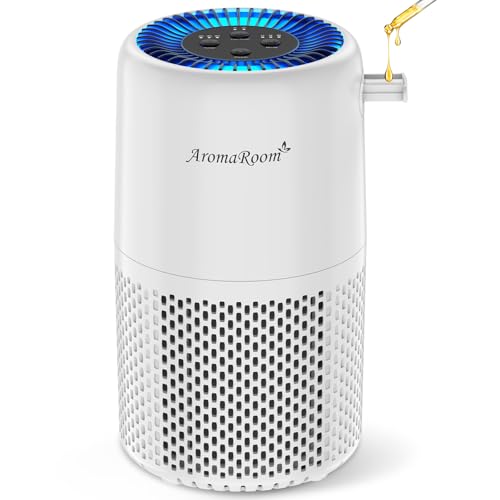
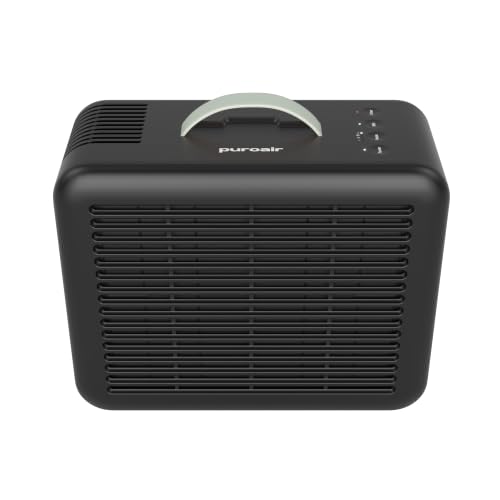
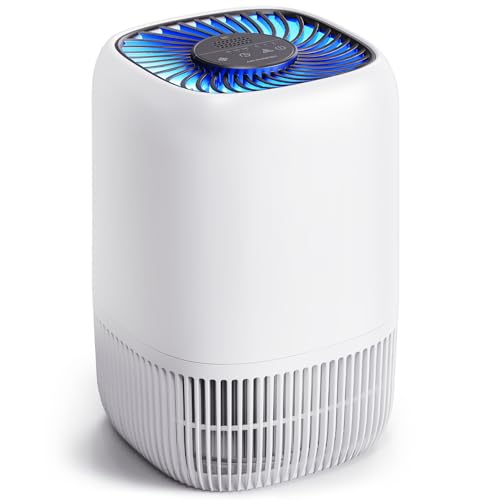
When selecting an air purifier for your baby's room, focusing on energy efficiency is essential to maintain clean air without inflating your electricity bill. The Coway Airmega AP-1512HH Mighty operates at just 8.1 watts on medium, offering energy-efficient purification for larger baby rooms. The Levoit Core 300S stands out with an affordable annual running cost of $79.43, balancing budget concerns and indoor air quality. Additionally, models like the Blast Mini provide a high CADR of 450 CFM while maintaining competitive energy consumption, ideal for rapid air cleaning. Many air purifiers designed for nurseries also feature quiet operation, ensuring they won't disturb your baby's sleep while running efficiently. Consider noise output carefully; for instance, the Mila Air Purifier runs quietly at 37 dB, ensuring a peaceful nursery environment. Regular filter replacements also sustain peak performance, making these energy efficient air purifiers practical, effective choices for maintaining clean air in baby rooms.
Key Features to Consider for Nursery Air Purifiers
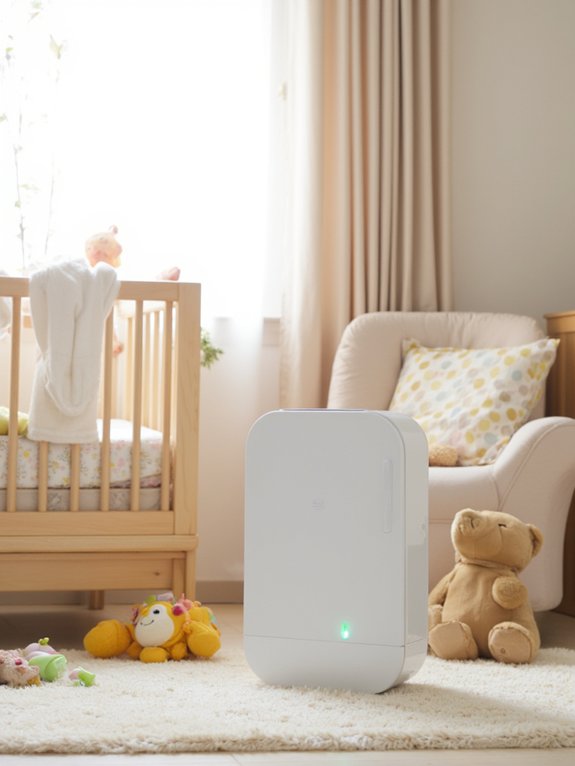
Although selecting an air purifier for a nursery involves various factors, focusing on key features like HEPA filtration, appropriate Clean Air Delivery Rate (CADR), low noise levels, and energy efficiency guarantees excellent air quality without compromising your baby's comfort or your household budget.
HEPA filters are essential to trap harmful airborne particles, protecting your baby's delicate respiratory systems. Matching the CADR to the nursery size ensures effective purification, while unobstructed airflow maximizes performance. For added convenience, some models now include smart app control for easy adjustments and real-time air quality updates, even from another room.
Prioritize models with easy-to-replace filters to maintain consistent air quality. Consider these features:
- High-efficiency HEPA filters for capturing fine particles
- CADR suited to room dimensions for best purification
- Energy-efficient operation with low noise levels to support your baby’s health
These elements collectively safeguard air quality, promoting a healthier environment for your infant.
Noise Levels and Sleep-Friendly Operation
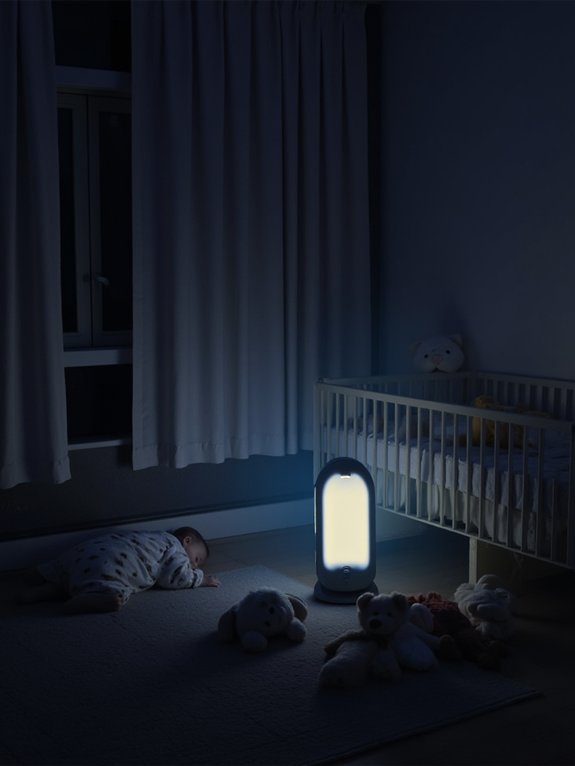
Since maintaining a quiet environment is crucial for your baby's sleep quality, choosing an air purifier with low noise levels is necessary.
In baby rooms, air purifiers for babies should operate at 50 dB or lower to minimize disruption.
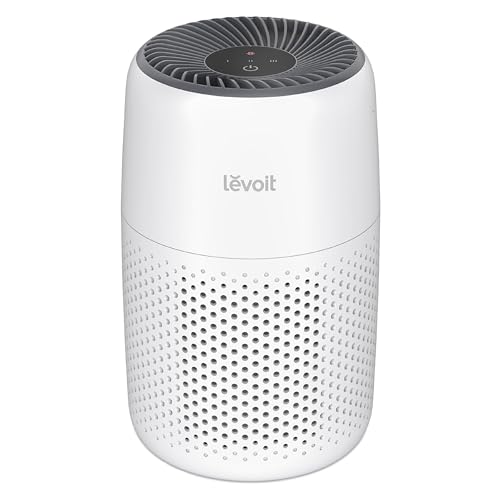
Models like the Levoit Core 300S, with a quiet operation at 39 dB, and the Alen BreatheSmart Flex, boasting a low noise level of 35.7 dB, provide effective cleaning while preserving tranquility.
Avoid units like the Blast Mini Air Purifier, which reaches 56.3 dB and can disturb sleep. The LEVOIT Core300-P operates at an ultra-quiet 24 dB in Sleep Mode, making it an outstanding choice for maintaining a peaceful nursery.
Prioritize devices featuring a sleep mode to reduce background noise further.
Integrating these elements assures sleep-friendly operation, fostering restful nursery environments that support your infant’s well-being and uninterrupted rest.
Filter Types and Their Benefits for Babies

Beyond maintaining a quiet operation, selecting the right filter types plays an essential role in ensuring your baby's air quality.
Choosing the proper filters is crucial for keeping your baby's air clean and safe.
In baby rooms, you want air purifiers that use HEPA filters, activated carbon, and pre-filters to protect sensitive respiratory systems effectively. These filters work in synergy to provide cleaner air by targeting various pollutants:
- HEPA filters capture 99.97% of airborne allergens, dust, and pet dander as small as 0.3 microns.
- Activated carbon reduces odors and VOCs emitted from furniture and cleaning products.
- Pre-filters trap larger particles, extending HEPA filter life and boosting purifier efficiency.
Additionally, choosing ozone-free filters prevents harmful ozone emissions, safeguarding your baby's developing lungs and enhancing overall air quality in baby rooms.
Placement and Maintenance Tips for Optimal Performance
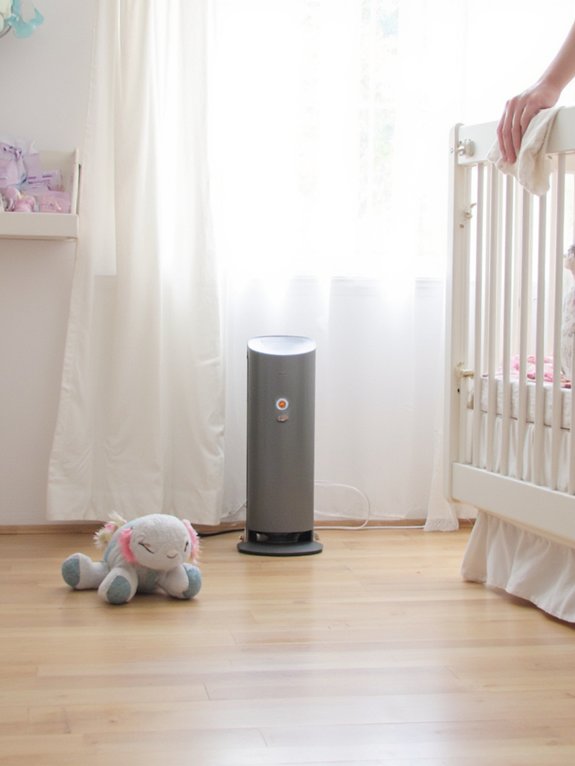
Where should you place your air purifier to guarantee the cleanest air for your baby? Position it near pollution sources like windows or doors to enhance airflow and air circulation. Avoid obstructing the air inlet and outlet vents with furniture, ensuring maximum performance. Maintain continuous operation to consistently reduce airborne pollutants, improving air quality in the baby room. Regular maintenance is essential; replace filters every 6-12 months to keep your energy efficient purifier effective. Monitor noise levels, selecting units below 50 dB to prevent sleep disruption. For the quietest options, consider models with noise levels around 22 dB or lower, as these are ideal for undisturbed sleep in baby rooms.
Frequently Asked Questions
What Is the Best Air Purifier for a Baby's Room?
You’ll want an air purifier balancing baby air quality, low noise levels, and HEPA filter types to protect infant respiratory health. Consider design aesthetics, safety features, maintenance tips, room size, budget options, and user reviews for the best choice.
Should You Put an Air Purifier in a Baby Room?
Imagine a guardian angel for baby health: an air purifier improves air quality, reduces allergens, and supports sleep quality. Choose low noise levels, HEPA filter types, safety features, energy ratings, and consider room size plus maintenance tips for allergy prevention.
How to Purify Air in a Baby Room?
To purify air in a baby room, you’ll use air purifiers with suitable filter types, monitor noise levels, avoid essential oils, maintain humidity control, guarantee proper ventilation, follow maintenance tips, and choose models with safety features for allergen reduction.
Do Room Air Purifiers Use a Lot of Electricity?
You might think purifiers spike energy consumption, but efficient models balance purifier efficiency, noise levels, and filter types, minimizing maintenance costs and environmental impact. With proper usage duration, you enhance air quality, child safety, and health benefits responsibly.
Final Thoughts
Choosing an energy-efficient air purifier for your baby’s room means balancing powerful filtration with quiet operation—because while advanced filters remove harmful particles, excessive noise disrupts sleep. You’ll want a device that conserves energy without compromising air quality, ensuring a healthy environment that fosters restful nights. By carefully considering features like filter type, placement, and maintenance, you create a nursery where clean air and peaceful sleep coexist, safeguarding your baby’s well-being efficiently.
 What Strollers Have the Largest Storage Baskets?
 10 Essential Tips for Active Parents Using Jogging Strollers
If you want to know other articles similar to Best Energy Efficient Air Purifiers for Baby Rooms you can visit the Air Purifiers & Humidifiers category.
15 Best Baby Room Air Purifiers for a Clean and Healthy Nursery in 2025
3 Best Air Purifiers for Baby Room Dust
How to Choose a Baby Room Air Purifier
Why Choose a Compact Air Purifier for Nursery?
Best Portable Air Purifiers for Baby Strollers
7 Tips for Choosing Baby Asthma Air Purifiers
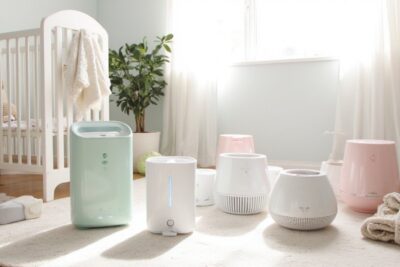
7 Best Air Purifiers for Baby Nurseries
5 Tips for Choosing Baby Allergy Air Purifiers

Why Choose an Air Purifier With Night Light?
This is also interesting