







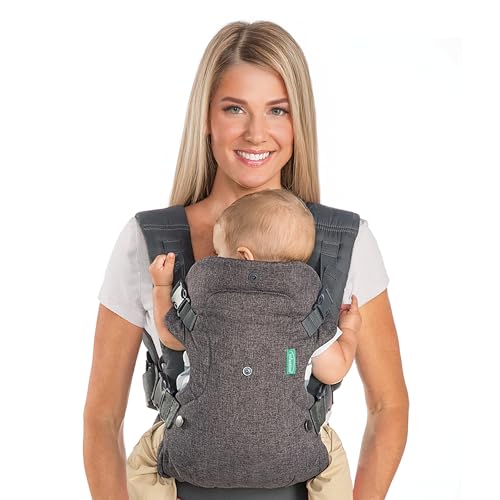
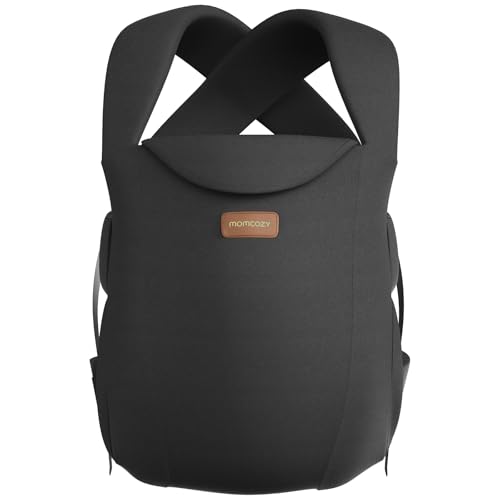



Why Choose a Baby Carrier for Petite Moms?

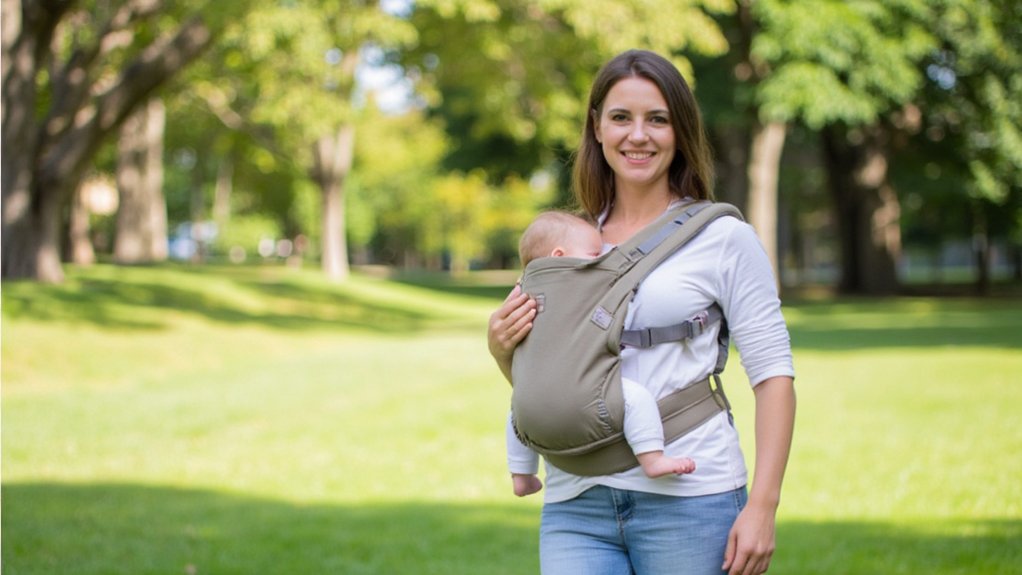
You want a baby carrier that fits your petite frame comfortably while keeping your baby close and your hands free. Petite-friendly carriers offer adjustable straps and lightweight, breathable materials to reduce strain and support good posture. They help distribute weight evenly, so you’re comfy on the go. Trusted brands offer various wearing positions suited to smaller frames, making outings easier and safer. Keep exploring to find the perfect fit and learn tips for using and caring for your carrier.
Table
- Main Points
- Benefits of Baby Carriers for Petite Moms
- Key Features to Look for in Petite-Friendly Carriers
- How Baby Carriers Support Posture and Comfort
- Comparing Wraps, Slings, and Structured Carriers
- Adjustability and Fit Considerations for Smaller Frames
- Materials and Breathability for All-Season Use
- Ease of Use and Learning Curve for New Moms
- Safety Standards and Hip-Healthy Designs
- Popular Petite Mom Baby Carrier Brands
- Wearing Positions That Work Best for Petite Moms
- Tips for Getting Out and About With Baby
- Caring for and Maintaining Your Baby Carrier
- Frequently Asked Questions
- Final Thoughts
Main Points
- Baby carriers offer a hands-free way for petite moms to keep babies close while supporting proper posture and reducing back strain.
- Adjustable straps and waistbands ensure a secure, comfortable fit tailored to petite frames.
- Lightweight, breathable materials enhance comfort and prevent overheating during extended wear.
- Ergonomic designs evenly distribute the baby's weight across shoulders and back, minimizing discomfort.
- Trusted brands provide safety-certified carriers with versatile carrying positions suited for petite moms.
Benefits of Baby Carriers for Petite Moms
Baby carriers offer petite moms a practical way to keep their babies close while freeing up their hands for daily tasks.
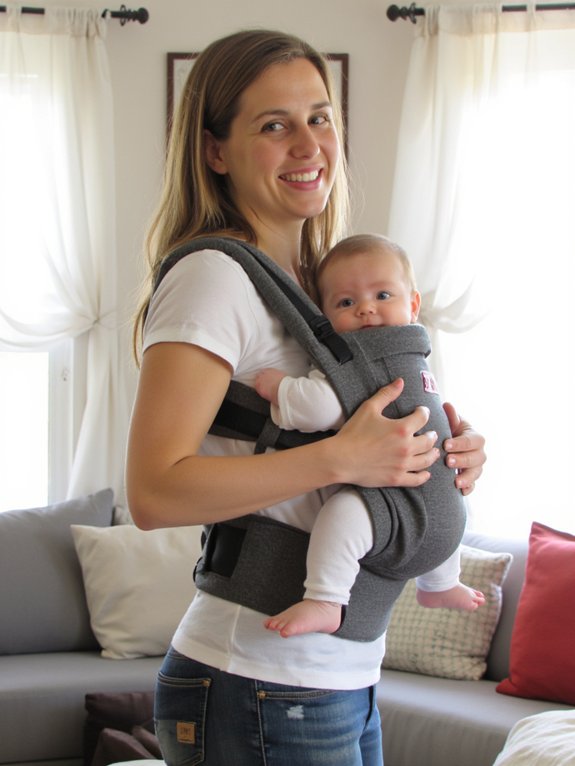
When you choose a carrier designed for smaller frames, you get a comfortable fit that supports proper posture and reduces back strain, making it easier to carry your baby for longer periods. Many carriers are made with ergonomic design features that help distribute weight evenly across your back and shoulders, reducing discomfort during long wear.
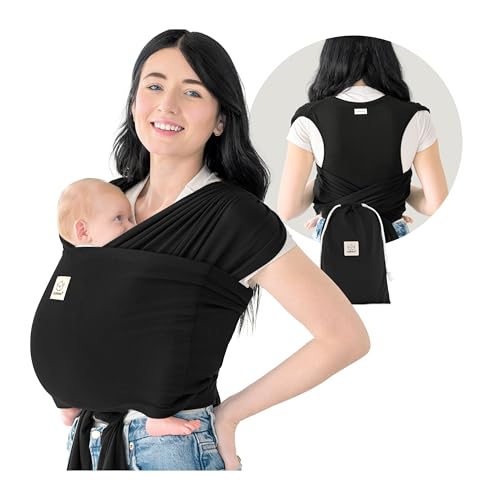
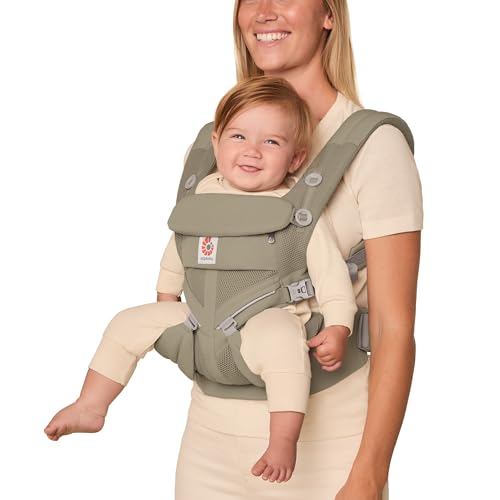
Many carriers, like the Baby K'tan and Ergobaby Omni 360, have adjustable features tailored to petite moms, ensuring the right fit every time.
Plus, carriers such as the Beco Gemini and Tushbaby provide versatile carrying positions, letting you find the most comfortable and secure way to wear your baby.
This hands-free solution not only boosts your efficiency but also deepens the bond between you and your child, especially in busy or tight spaces.
Key Features to Look for in Petite-Friendly Carriers
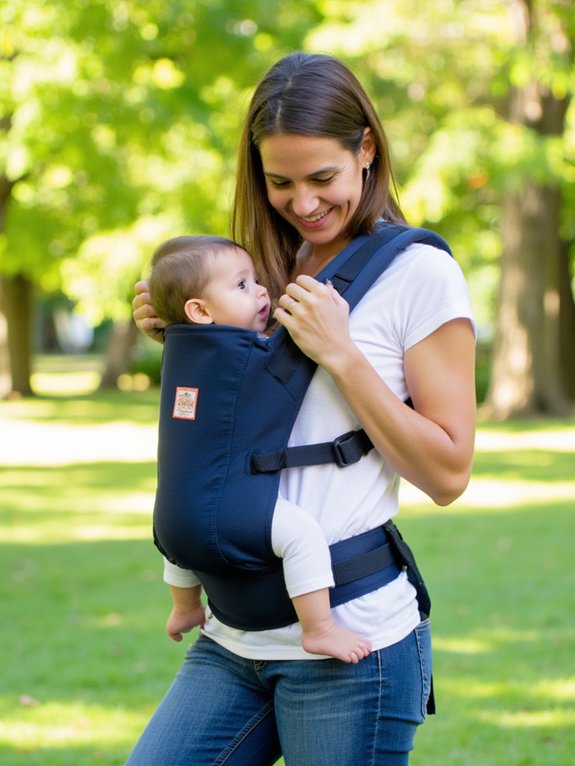
When selecting a carrier tailored to petite frames, you'll want to prioritize adjustable straps and waistbands that provide a secure fit without adding bulk.
Look for lightweight materials like breathable mesh or 100% cotton to keep both you and your baby comfortable throughout the day. Many petite-friendly carriers also feature ergonomic design that supports better posture and reduces back tension for caregivers.
Choose breathable mesh or 100% cotton for lightweight comfort that keeps you and your baby cozy all day long
Choosing a carrier with multiple carrying positions guarantees versatility as your child grows, allowing you to switch between front-facing and back-carry options easily.
Easy-to-use features, such as simple buckles or no-wrapping designs, make adjustments quick and stress-free, so you can focus on nurturing your little one.
By focusing on these key elements, you’ll find a petite-friendly carrier that supports your unique frame while fostering closeness and convenience in your daily caregiving.
How Baby Carriers Support Posture and Comfort
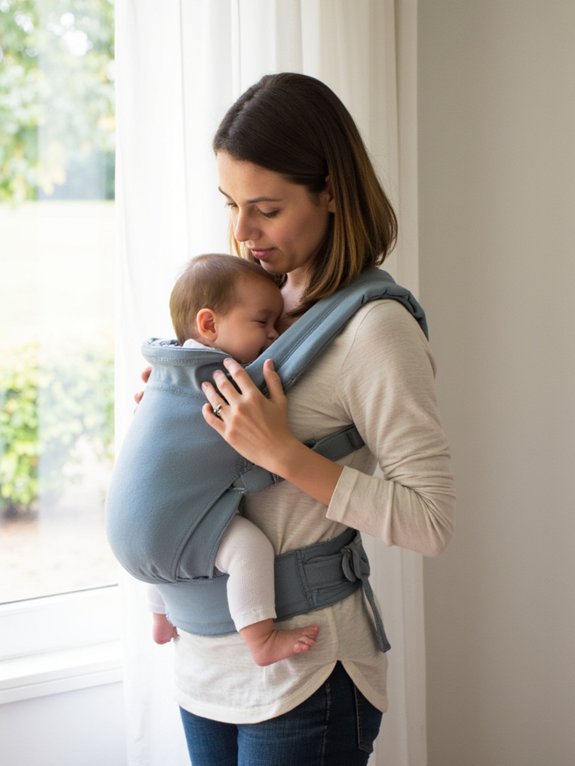
Finding a petite-friendly carrier that fits well is just the start; how it supports your posture and comfort makes all the difference during wear.
A structured carrier designed for petite frames guarantees the baby’s weight is evenly distributed through adjustable straps and waistbands, reducing strain on your back and shoulders. This support helps you maintain proper posture, preventing discomfort during extended use. Many ergonomic carriers for petite moms also feature wide waistbands that stabilize posture and provide extra comfort during longer outings.
Carriers that hold your baby in a natural "M" position promote healthy hip development and enhance comfort for both of you. Padded shoulder straps and lumbar support further alleviate pressure, making it easier to carry your little one for longer periods.
Choosing a carrier tailored to petite moms means you get the snug fit and ergonomic support you need to serve your baby comfortably and confidently.
Comparing Wraps, Slings, and Structured Carriers
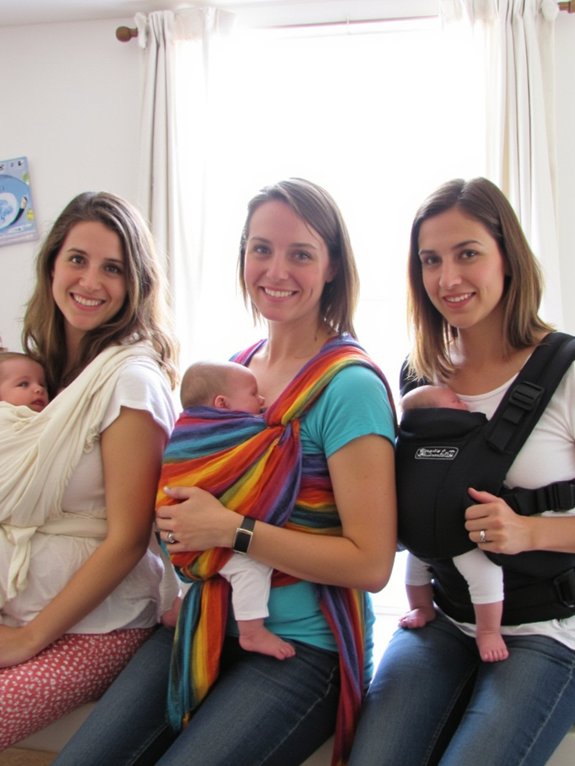
When choosing between wraps, slings, and structured carriers, you'll want to evaluate how each fits your petite frame and daily needs.
Wraps offer customizable support but take practice to master, while slings provide quick access and closeness, especially for breastfeeding.
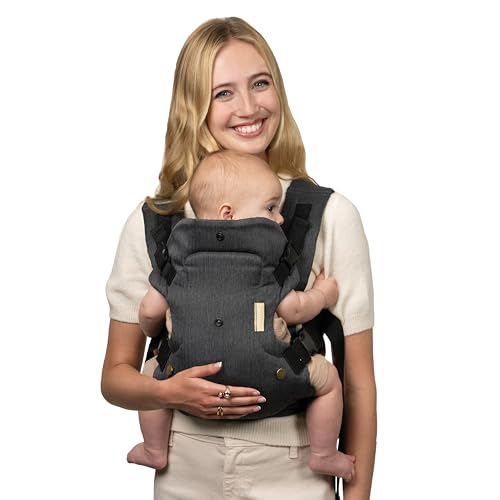
Structured carriers give reliable support with adjustable straps, making longer wear more comfortable and secure.
Carriers with features like ergonomic X-shaped back support can help distribute weight evenly and reduce strain, which is particularly beneficial for petite moms seeking both comfort and safety.
Wraps vs. Structured Carriers
Although choosing the right baby carrier can feel overwhelming, understanding the differences between wraps, slings, and structured carriers can help you find a solution that fits both you and your baby comfortably.
Wraps offer a soft, flexible, and snug fit by wrapping long fabric around you, making them especially comfortable for newborns and those craving closeness. They do require practice to tie correctly but provide gentle, customizable support.
Structured carriers, on the other hand, use adjustable straps and buckles to deliver firm support and stability, making them easier to use quickly. Designed to distribute weight evenly, they reduce strain on your back and offer multiple carrying positions, ideal for growing babies.
Both options can suit petite moms, but your choice depends on whether you prioritize softness and closeness or convenience and consistent support.
Slings: Pros and Cons
Slings offer a unique balance between the softness of wraps and the structure of carriers, making them an appealing choice for petite moms. They provide a snug fit without excess bulk, supporting multiple carrying positions like hip and tummy-to-tummy. This versatility encourages bonding while allowing freedom of movement. However, slings lack buckles or rigid frames, requiring some practice to master proper positioning for your baby’s safety. If you’re serving others through caregiving, slings give you a lightweight, adjustable option that can travel easily. Some slings incorporate thoughtful design and durable materials to ensure reliability and comfort for both caregiver and baby.
| Feature | Description |
|---|---|
| Material | Soft fabric, gentle on skin |
| Fit | Adjustable for petite moms, snug |
| Carrying Positions | Hip, tummy-to-tummy |
| Ease of Use | Requires practice, learning curve |
| Portability | Lightweight, easy to pack |
Adjustability and Fit Considerations for Smaller Frames
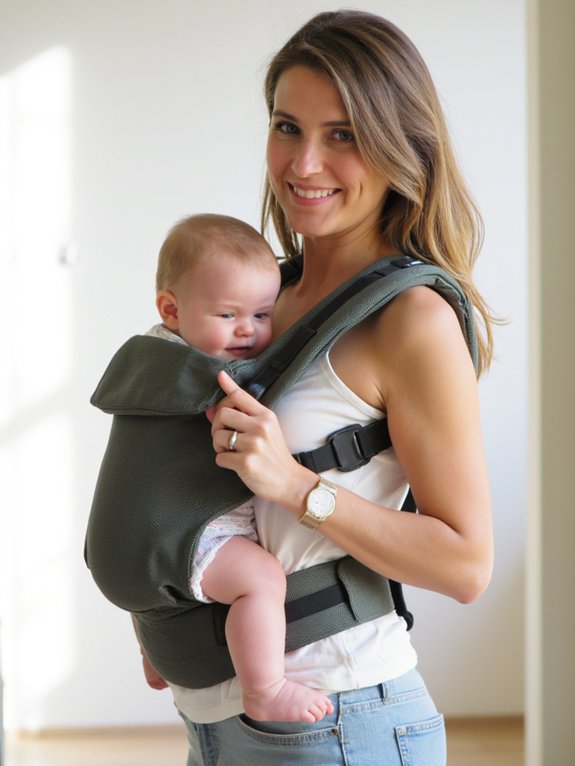
Because finding a baby carrier that fits your smaller frame comfortably and securely can be challenging, focusing on adjustability is key.
Look for carriers with adjustable straps and waistbands that offer a snug fit without compromising safety. Choosing a carrier with lumbar support and adjustable straps can help petite moms avoid back strain and ensure ergonomic comfort during longer periods of babywearing.
Choose carriers featuring adjustable straps and waistbands for a secure, comfortable fit tailored to your frame.
Models like the Baby K’tan, designed with a patented double-loop, cater to petite moms by providing tailored sizes and easy use.
Wraps and slings also let you wrap around your body precisely, customizing the fit to hold your baby close and secure.
Ensuring the carrier hugs your frame tightly keeps your baby visible and promotes airflow, aligning with TICKS safety guidelines.
Prioritizing adjustability not only enhances comfort but also supports your desire to care for your little one effectively.
Materials and Breathability for All-Season Use
When choosing a baby carrier for all-season use, you’ll want materials that balance comfort and breathability to keep both you and your baby comfortable year-round.
Opt for baby carriers made from breathable materials like 100% cotton or Tencel modal, which offer softness and excellent airflow.
Breathable mesh options enhance ventilation during warm months and work well layered in cooler weather.
Lightweight designs, such as the Wildbird Aerial Carrier, prevent added bulk, ensuring a comfortable fit, especially for petite moms.
Look for carriers with moisture-wicking properties to regulate temperature during different activities and climates.
Adjustable components help you achieve a secure, comfortable fit no matter the season.
Prioritizing these features means you can confidently serve your little one while staying comfortable yourself.
Ease of Use and Learning Curve for New Moms
You’ll find that some baby carriers use simple wrapping techniques that are easy to master, even if you’re new to babywearing.
At first, it might take a bit of practice to get the wrap just right, but once you do, it’ll feel natural and secure.
Many modern carriers, like those with adjustable carrying positions, offer clear instructions and flexibility, making them especially user-friendly for first-time moms.
Simple Wrapping Techniques
Mastering just a few simple wrapping techniques can make a big difference for petite moms new to babywearing.
Baby wraps, like the Solly Baby Wrap or Baby K'tan, use lightweight, breathable materials that provide a comfortable, snug fit ideal for smaller frames. These wraps often eliminate complex tying or buckling, so you can quickly secure your newborn close without hassle. Many modern carriers also feature adjustable straps for personalized fit, ensuring that petite moms can achieve both comfort and security without added bulk.
While there’s a short learning curve, instructional resources help you confidently master these techniques. Using simple wrapping techniques not only guarantees your baby’s safety but also deepens your bond through close contact.
Plus, the hands-free convenience lets you serve your little one while managing daily tasks with ease, making babywearing a practical and nurturing choice for petite moms.
Practice Makes Perfect
Getting comfortable with a baby carrier takes time, but many options designed for petite moms make the learning curve less intimidating.
Baby carriers like the Baby K'tan and Solly Baby Wrap offer user-friendly designs that simplify practice, helping you achieve a secure, comfortable fit faster.
Structured carriers such as the Ergobaby Omni 360 allow easy adjustments and solo use, making daily routines smoother as you adapt. Many carriers feature ergonomic design and comfort that distribute weight evenly and reduce back strain, making them particularly suitable for petite moms.
While wraps might require some initial effort to master tying techniques, consistent practice helps them become intuitive, ensuring both you and your baby feel snug and supported.
Models like the Beco Gemini specifically cater to smaller frames, enhancing comfort and ease.
Remember, regular practice not only improves fit but also strengthens the bond you share with your baby during every outing.
Safety Standards and Hip-Healthy Designs
When choosing a baby carrier, ensuring it meets established safety standards like those from the CPSIA and ASTM is essential to protect your little one.
These standards guarantee quality materials and construction, giving you peace of mind.
Look for carriers labeled hip healthy, certified by the International Hip Dysplasia Institute, to support your baby's proper hip positioning.
Adjustable features are crucial for petite moms, helping the carrier fit snugly without causing discomfort or pressure.
Many modern carriers also use breathable mesh technology to enhance airflow and keep both you and your baby comfortable during extended wear.
Following the TICKS guidelines—tight fit, visible face, close enough to kiss, supported back, and keep chin off the chest—ensures your baby’s safety and comfort.
By prioritizing these aspects, you’ll provide your child with secure, ergonomic support while making your caregiving journey easier and more enjoyable.
Popular Petite Mom Baby Carrier Brands
Finding a baby carrier that fits your petite frame while offering safety and comfort can make all the difference in your daily routine.
Choosing a baby carrier designed for petite frames ensures both comfort and safety throughout your day.
Brands like Baby K’tan stand out with their patented double-loop design, letting you wear your baby without wrapping or buckling.
The Ergobaby Omni 360 offers adjustable straps and a supportive waist belt, perfect for your size and your baby’s growth from birth to toddlerhood.
If you prefer a sleek, narrow fit, the Beco Gemini’s dual waist-belt and customizable straps provide a secure, comfortable hold.
For a lightweight, less bulky option, the Tula Free-to-Grow lets you keep your little one close without needing an infant insert.
These trusted brands help you care for your child while honoring your petite frame.
Wearing Positions That Work Best for Petite Moms
You’ll find front carry positions great for keeping your baby close and secure, especially when you want that sweet “close enough to kiss” connection.
Back carries can offer more freedom once your baby’s a bit older, but they may need some adjustment to fit your petite frame comfortably.
Understanding how each position supports you and your baby will help you choose the best fit for everyday wear.
Front Carry Advantages
Many petite moms discover that front carrying positions offer the best combination of comfort and closeness. This position keeps your baby within easy sight and reach, fostering bonding while supporting their development.
Front carry also helps you maintain a comfortable center of gravity, reducing strain on your back and shoulders. Carriers with adjustable straps, like the Ergobaby Omni 360, can be tailored to fit your smaller frame perfectly, ensuring support and ease throughout your day.
Benefits include:
- Secure and snug support for newborns’ physiological needs
- Easy access for breastfeeding on-the-go
- Comfortable weight distribution for extended wear
- Enhanced closeness promoting emotional connection
Choosing a front carry option designed for petite moms makes daily tasks easier and more joyful.
Back Carry Considerations
Although back carries might seem intimidating at first, they offer petite moms excellent weight distribution and greater freedom of movement during longer wear.
Choosing carriers like the Ergobaby Omni 360 or Tula Free-to-Grow can make a big difference, as their adjustable back carry options guarantee a snug fit tailored to smaller frames.
Proper positioning is essential: always keep your baby’s head visible and follow TICKS safety guidelines to maintain comfort and security.
Practicing back carries in front of a mirror or with a partner helps build confidence and guarantees you achieve the correct fit.
With these considerations, back carry becomes a practical choice, allowing you to serve your little one while maneuvering daily tasks hands-free and comfortably.
Tips for Getting Out and About With Baby
When heading out with your baby, choosing the right carrier can transform your experience by keeping your hands free and your movements unrestricted.
As a petite mom, selecting baby carriers with adjustable straps and ergonomic carry positions guarantees comfort for both you and your little one.
Lightweight designs like wraps and slings make it easier to move through crowded spaces and store your carrier when not in use.
To make outings smoother, consider these tips:
- Opt for carriers that fit your frame snugly to avoid strain.
- Practice different carry positions to find what works best.
- Choose lightweight designs for easy transport and quick packing.
- Plan routes that accommodate babywearing, avoiding tight stroller-only areas.
These strategies help you serve your baby’s needs while staying active and comfortable.
Caring for and Maintaining Your Baby Carrier
Caring for your baby carrier is vital to keep it safe, comfortable, and durable for daily use.
To maintain your baby carrier, regularly inspect all buckles, straps, and seams for wear and tear. This helps guarantee safety and functionality every time you use it.
Follow the manufacturer’s care instructions closely—many carriers like the Solly wrap or Sakura Bloom are machine washable, making cleaning easier.
Proper drying is important; avoid methods that compromise fabric integrity or elasticity.
For structured carriers, clean padding and straps regularly to prevent dirt and sweat buildup, which keeps your carrier comfortable.
Store wraps by braiding or leave slings threaded to prevent damage and keep them ready for quick access.
With thoughtful care, your baby carrier will serve you and your little one well.
Frequently Asked Questions
Will a Petite Woman Have a Petite Baby?
You might wonder if petite moms always have petite babies. Genetics influence baby size, so it’s possible but not certain. Knowing this helps you choose a carrier that supports your baby’s comfort and your own needs effectively.
What Age Should You Put a Baby in a Carrier?
You can start using a baby carrier from about 3 weeks old, ensuring baby carrier safety by choosing the right size and ideal carrying position. This supports healthy development and maximizes baby carrier benefits for both of you.
What Is the $800 Baby Carrier?
They say you get what you pay for, and the $800 baby carrier reflects that with its luxury baby design, ergonomic comfort, strong brand reputation, and glowing user reviews—perfect for caring parents seeking quality and style.
Why Is There a Minimum Weight for Baby Carriers?
You’ll find minimum weight restrictions guarantee carrier safety guidelines are met, matching baby size compatibility with ergonomic design importance. This keeps your baby secure, supports healthy development, and makes carrying comfortable for you both.
Final Thoughts
Choosing the right baby carrier is like finding a perfect hug that supports both you and your little one. For petite moms, it means comfort, confidence, and ease on every adventure together. With the right fit and features, you’ll move through your day feeling balanced and connected. Remember, a well-chosen carrier isn’t just gear—it’s your partner in nurturing, exploring, and embracing motherhood with grace and strength.
If you want to know other articles similar to Why Choose a Baby Carrier for Petite Moms? you can visit the Baby Carriers category.
Best Baby Carriers for C-Section Moms
What Are the Best Soft Structured Baby Carriers?

10 Best Affordable Baby Carriers Under $50

Best Baby Carriers for Breastfeeding On the Go

How to Choose the Best Baby Carrier for Back Support

Best Baby Carriers for Preemies and Small Babies

What Baby Carrier Fits Dads With Broad Shoulders?

5 Best Baby Carriers for Toddlers Over 30 Pounds

Why Choose Lightweight Baby Carriers for Travel?
This is also interesting