






7 Tips for Using a Portable Baby Food Maker

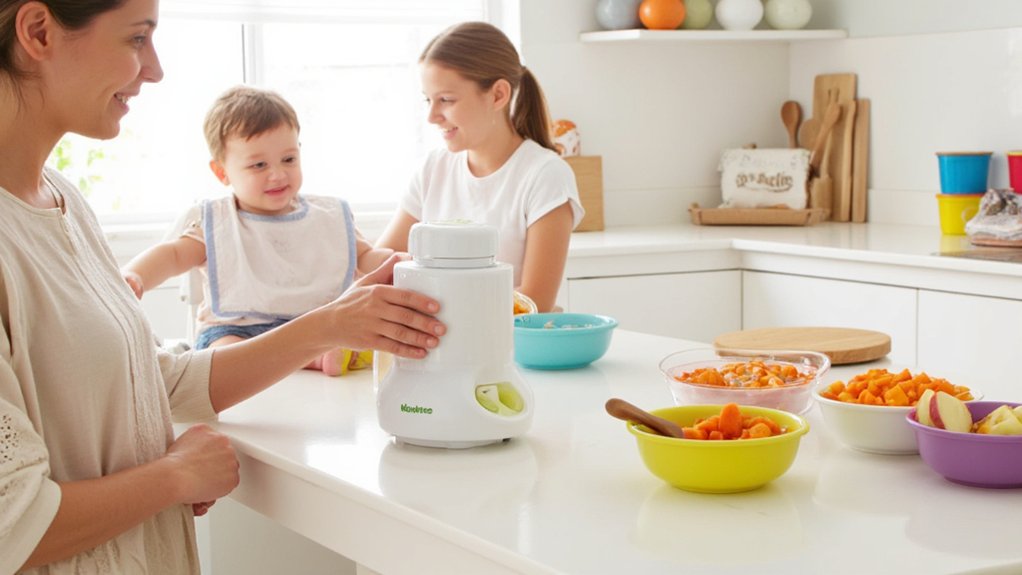
When using a portable baby food maker, choose nutrient-dense, easy-to-mash ingredients like bananas and cooked chicken for convenience and nutrition. Steam veggies gently to retain vitamins, then customize texture by blending smoothly for younger babies or chunkier for older ones. Clean parts thoroughly after every use, and always verify blades are secure to avoid accidents. Pack airtight containers for freshness when traveling, and introduce new flavors gradually with mild spices. Keep these tips in mind to make mealtime easier and safer for your little one.
Table
- Main Points
- Choosing the Right Ingredients for Portability
- Maximizing Nutrient Retention With Proper Steaming
- Cleaning and Maintenance on the Go
- Customizing Texture for Different Baby Stages
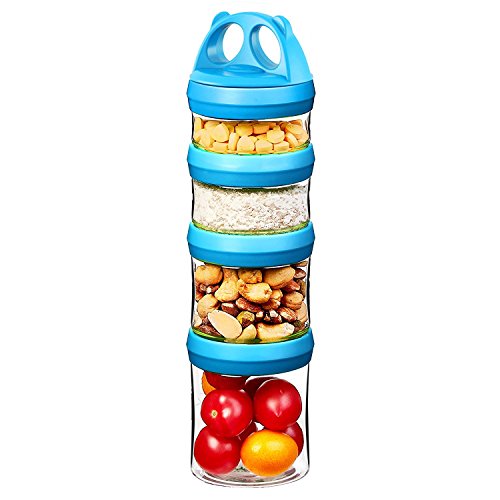
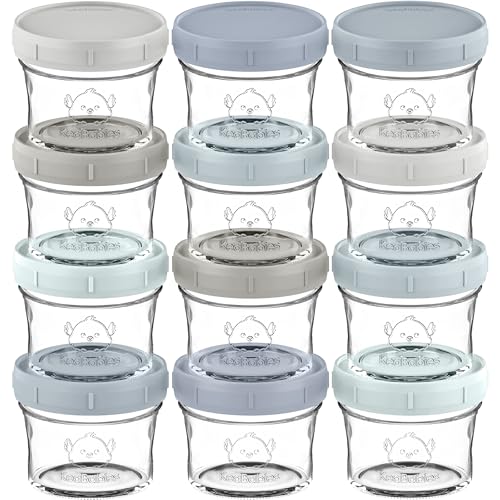
- Efficient Storage and Travel-Friendly Packaging
- Safety Precautions When Using Portable Devices
- Tips for Introducing New Flavors While Traveling
- Frequently Asked Questions
- Final Thoughts
Main Points
- Choose nutrient-dense, easy-to-mash ingredients like bananas and cooked chicken for balanced, portable meals.
- Steam foods for 5–15 minutes to preserve nutrients and blend to the appropriate texture based on baby's age.
- Clean removable parts thoroughly with warm water and inspect seals regularly to prevent leaks and maintain hygiene.
- Avoid overheating by following blending time guidelines and allowing the device to cool between uses.
- Introduce new flavors gradually using mild spices and local produce, monitoring for allergies while traveling.
Choosing the Right Ingredients for Portability
When you're preparing baby food on the go, choosing the right ingredients makes all the difference in convenience and nutrition.
Opt for nutrient-dense options like bananas, avocados, and sweet potatoes—they blend smoothly in your portable blender and pack well into baby food jars or airtight containers.
Add protein sources such as cooked chicken or lentils, which mash easily and round out nutritious meals.
Incorporate quick-cooking grains like quinoa or oats, prepared ahead and blended with fruits or veggies for balanced, wholesome dishes. Many parents also benefit from dishwasher-safe parts in their baby food maker, ensuring easy cleanup even while traveling.
Using seasonal, locally sourced ingredients not only boosts flavor but also supports your budget and availability.
Store pre-prepared portions in small, airtight containers to maintain freshness and prevent spills, making feeding your little one easier and stress-free wherever you are.
Maximizing Nutrient Retention With Proper Steaming
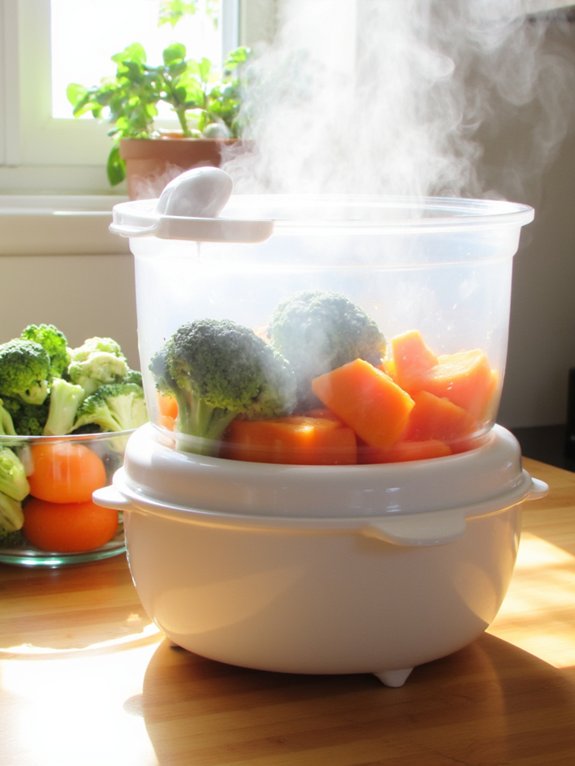
Although steaming might seem simple, it’s one of the best ways to preserve up to 90% of your baby food’s nutrients compared to boiling.
Steaming preserves up to 90% of baby food nutrients, making it a superior cooking method to boiling.
When using your portable baby food maker, focus on proper steaming and blending to make healthy homemade baby food that retains essential vitamins and minerals. Some baby food makers allow you to select manual or automated steam blending cycles for tailored textures and optimal nutrient preservation.
Here’s how to maximize nutrient retention:
- Use the steamer basket for even cooking and vibrant colors
- Steam for 5 to 15 minutes, just long enough to soften foods
- Let steamed vegetables cool slightly before blending to protect texture
- Include a variety of colorful fruits and veggies for balanced nutrition
- Avoid overcooking to preserve enzymes and nutrients
Cleaning and Maintenance on the Go
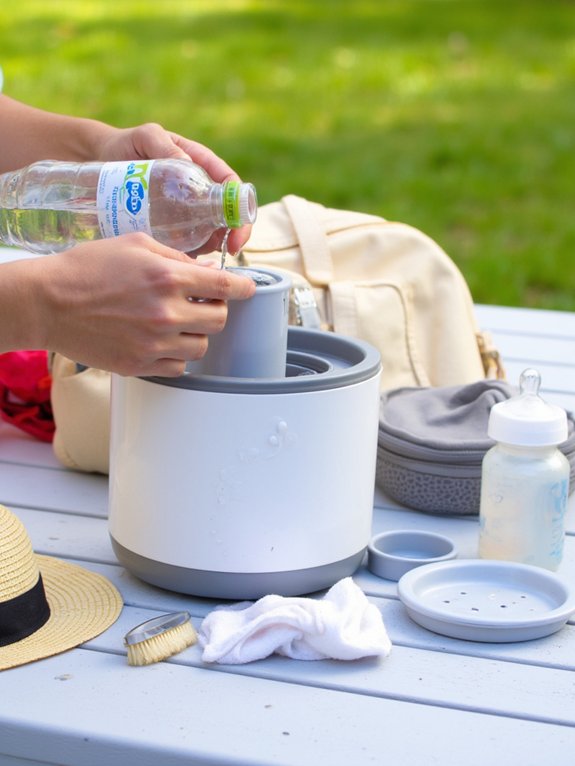
Maintaining the cleanliness of your portable baby food maker helps keep your little one’s meals safe and fresh every time.
After each use, disassemble and clean all removable parts thoroughly with warm, soapy water or use the dishwasher if they're dishwasher-safe. Use a soft brush or cloth to reach blades and tight spots, ensuring no food residue remains. This helps you maintain hygiene and peak appliance performance. Since dishwasher safe components make cleaning even simpler, you can spend more time with your baby instead of scrubbing.
Don’t forget to regularly inspect seals and gaskets for wear, replacing them when needed to prevent leaks. Wipe the exterior and control panel with a damp cloth and mild detergent to keep everything clean.
Finally, store your baby food maker in a dry, clean place to avoid moisture buildup and mold growth while on the go.
Customizing Texture for Different Baby Stages
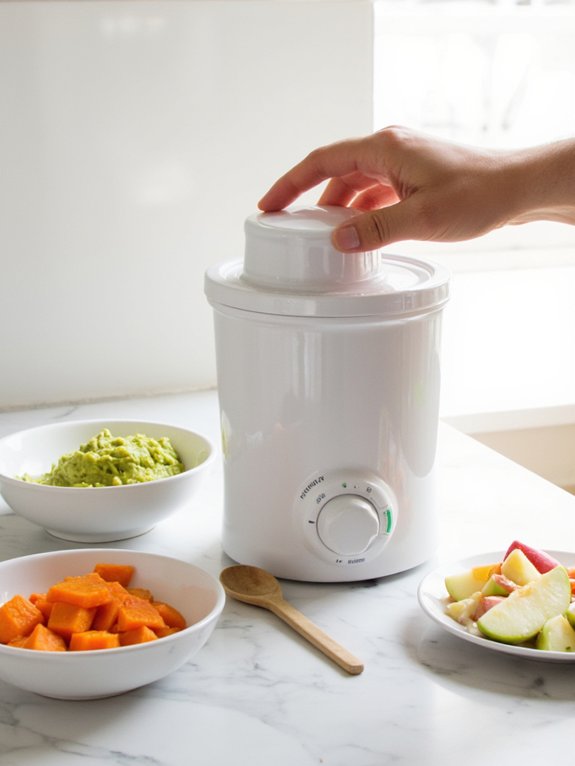
As your baby grows, you'll want to adjust the texture of their food to match their developmental stage and feeding abilities.
Using your portable baby food maker, you can easily customize texture for safe and enjoyable baby food preparation. With devices that offer manual control options, you can fine-tune blending speeds and durations to achieve just the right consistency for your child.
Keep these tips in mind when making baby food:
- For 4–6 months, blend smooth purees of single ingredients like sweet potatoes.
- From 6–8 months, use pulse mode for thicker blends with soft lumps, such as mashed bananas.
- Between 8–12 months, prepare chunkier, minced foods to encourage self-feeding.
- At 12 months and beyond, adapt family meals with reduced salt and smaller portions.
- Always observe your baby’s readiness and adjust blending consistency accordingly.
This approach helps you introduce solid foods thoughtfully while meeting your baby’s evolving needs.
Efficient Storage and Travel-Friendly Packaging
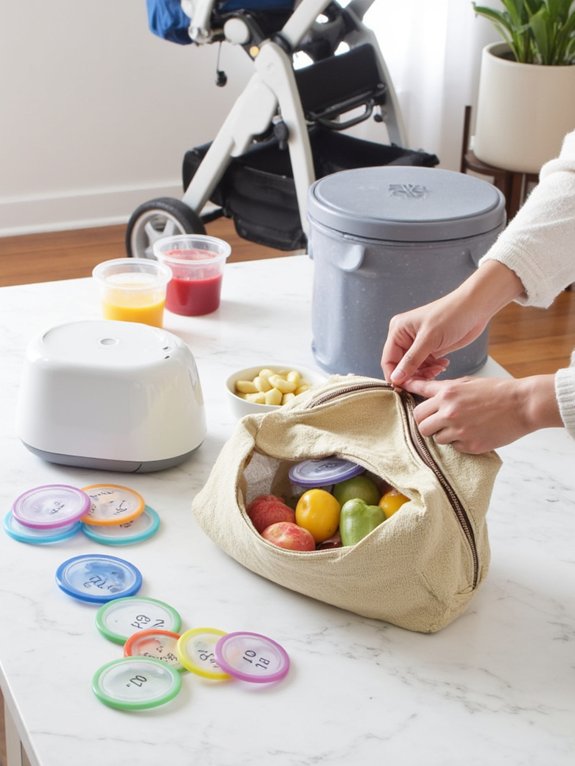
Once you’ve tailored your baby’s food texture to their needs, the next step is making sure those meals stay fresh and easy to carry.
Use silicone storage bags or small, airtight storage containers with secure lids to prevent spills and keep food fresh. These options are lightweight, flexible, and perfect for travel-friendly packing. For added peace of mind, choose BPA-free materials to ensure your baby’s meals are stored safely during travel.
Label each container with dates and contents so you can quickly identify meals and track freshness, especially helpful when carrying multiple options.
If you’re out for longer, pack your baby food in a portable cooler bag with ice packs to maintain the right temperature.
For added convenience, consider a portable blender that blends and stores food in the same container, reducing what you carry and simplifying mealtime prep on the go.
Safety Precautions When Using Portable Devices
Make sure you assemble your baby food maker correctly, securing the blades to keep things safe while blending.
Clean and sanitize all parts thoroughly after each use to protect your little one from germs.
Also, follow the recommended blending times to avoid overheating and damaging the device.
Regularly inspect your device for auto shut-off safety features and any signs of wear to ensure safe and reliable operation.
Proper Device Assembly
Three key steps guarantee your portable baby food maker operates safely and efficiently. Proper device assembly is essential to protect your little one and make meal prep easier. For optimal results and safety, nutrient preservation is enhanced when using steam-based models like the BEABA Babycook Neo.
Whether it’s a blender or food processor, you’ll want to follow these practical tips:
- Always consult the manufacturer’s instructions for correct assembly.
- Verify blades are securely attached and locked to avoid accidents.
- Confirm the blending container fits snugly on the base to prevent leaks.
- Inspect the power cord and plug for damage before use.
- Keep all assembly points clean and free from food debris to maintain safe operation.
Cleaning and Sanitizing
After assembling your portable baby food maker correctly, keeping it clean and sanitized protects your baby from harmful bacteria and guarantees every meal is safe. Always wash your hands thoroughly before handling the device. Disassemble and clean all parts with warm, soapy water or use the dishwasher if safe. Sanitize containers and blades with a vinegar or mild bleach solution, then rinse well. Regularly inspect for wear and maintain seals and blades to confirm hygiene. Auto shut off feature in some portable baby food makers also helps prevent overheating and contamination risks during use. Store the device in a clean, dry place after use.
| Step | Action |
|---|---|
| 1. Hand Hygiene | Wash hands thoroughly before use |
| 2. Disassemble | Remove parts for separate cleaning |
| 3. Cleaning | Use warm, soapy water or dishwasher |
| 4. Sanitizing | Apply vinegar or mild bleach solution |
| 5. Storage & Inspect | Store dry; check blades and seals regularly |
Avoiding Overheating Risks
Although portable baby food makers are designed for convenience, you should never overlook the risk of overheating during use. Taking simple safety steps protects both you and your little one’s food quality. Unlike a regular blender, your portable baby food maker requires careful handling to prevent motor strain and overheating. Many models include automatic power-off and anti-slip pads to reduce safety risks during operation.
Keep these tips in mind:
- Confirm blades are securely attached before blending.
- Follow the manufacturer’s recommended blending times.
- Use the device intermittently, allowing cooling breaks.
- Regularly inspect for wear or damage.
- Keep the device clean and free from food residue.
Tips for Introducing New Flavors While Traveling
When you’re on the road, packing flavorful ingredients and familiar spices can make introducing new tastes easier for your baby.
Using local produce in your portable baby food maker lets you create fresh, exciting purées that reflect your travel destination. This approach keeps mealtime interesting while helping your little one adapt smoothly to new flavors.
Pack Flavorful Ingredients
Since introducing new flavors can be challenging while traveling, packing nutrient-dense fruits and vegetables like avocados, bananas, and sweet potatoes makes it easier to prepare tasty, wholesome meals on the go.
As busy parents, you want to pack flavorful ingredients that keep your homemade baby food fresh and appealing. Here are some practical tips:
- Freeze small portions of purees in ice cube trays for easy mixing and freshness.
- Prepare protein-rich blends with chicken or lentils combined with mild fruits or veggies.
- Bring portable snacks like oatmeal or yogurt pouches to introduce variety without fuss.
- Choose fruits and veggies that blend smoothly and retain flavor.
- Pack small containers of mild spices or herbs to subtly enhance meals.
These steps help you serve nourishing, flavorful food wherever you go.
Use Familiar Spices
Introducing familiar spices like cinnamon, turmeric, and basil gradually can brighten your baby's meals without overwhelming their sensitive palate.
To make your baby's food more enjoyable, start with small amounts—about 1/8 to 1/4 teaspoon—to give their digestive system time to adjust.
When traveling, pack these spices in small containers to keep flavors consistent and comforting.
Using familiar spices helps your baby develop a taste for diverse flavors early on, which may reduce picky eating later.
As you prepare meals with your portable baby food maker, experiment carefully with these safe spices to encourage adventurous eating.
By thoughtfully incorporating familiar flavors, you’ll make mealtime both nourishing and exciting, helping your little one accept new tastes even when away from home.
Blend Local Produce
Exploring local markets lets you discover fresh, seasonal produce that can add exciting new flavors to your baby’s meals while traveling.
You can blend local produce easily with portable baby food makers, creating nutritious homemade baby food on the go. Many of the best models feature dishwasher-safe parts for quick, hygienic cleanup even when away from home. Gradually introducing new flavors helps you monitor your baby’s reactions and guarantees safe baby food prep.
- Choose soft, digestible local fruits and veggies like ripe avocados or cooked sweet potatoes
- Use your portable baby food maker to steam and blend ingredients quickly
- Introduce new flavors one at a time, watching for allergies over 3-5 days
- Sanitize your baby food maker after each use to prevent contamination
- Keep portions small to make homemade baby food less overwhelming
Frequently Asked Questions
What Is the 2 Day Rule for Baby Food?
You should follow the 2 day rule for baby food by adhering to storage guidelines, ensuring food safety, respecting expiration dates, and preserving nutrients. Use or refrigerate homemade or opened baby food within two days to keep your baby safe.
How to Operate a Baby Food Maker?
You'd think feeding a tiny human is rocket science, but it’s simple: choose fresh ingredients, prepare consistency to suit your baby, clean thoroughly, and store leftovers safely. Your care makes every spoonful a loving gift.
What Not to Do When Making Baby Food?
Don’t make common mistakes like adding salt, sugar, or honey before age one. Prioritize food safety by avoiding double-dipping and overcooked ingredients. Choose safe foods carefully and follow proper storage tips to keep baby food fresh.
How to Travel With Premade Baby Food?
When you travel, pack premade baby food in leak-proof travel containers to maintain freshness. Use insulated bags for temperature control, label portions for your feeding schedule, and prioritize food storage to keep your little one happy and healthy.
Final Thoughts
You’d think juggling a portable baby food maker on the go would be a breeze, but it takes a bit more than just pressing a button. With the right ingredients, careful steaming, and smart storage, you’re actually making nutritious meals anywhere—even if your little one’s tastes change by the minute. So, accept the mess, pack those wipes, and remember: every puree mishap is just part of your adventurous parenting toolkit. You’ve got this!
If you want to know other articles similar to 7 Tips for Using a Portable Baby Food Maker you can visit the Baby Food Makers category.
Best Baby Food Makers for Batch Cooking
Best Baby Food Makers With Steaming Function
How to Choose an Easy-Clean Baby Food Maker
7 Quietest Baby Food Makers for Apartments
Best Baby Food Makers for Small Kitchens

How to Use a Baby Food Maker With Glass Bowl

What Are the Safest Baby Food Processors 2024?

5 Tips for Using Baby Food Maker & Warmer

7 Top-Rated Baby Food Makers on Amazon
This is also interesting