






What Is the Safest Infant Car Seat?


You want an infant car seat that ranks high in crash tests and includes smart safety features like load legs, anti-rebound bars, and rigid LATCH systems to guarantee secure installation. Seats like the Nuna Pipa RX offer top protection along with ease of use, while budget-friendly options provide solid safety without advanced extras. Proper installation is critical, so a seat with clear indicators helps you fit it right every time. Exploring more will help you find the perfect balance of comfort, safety, and convenience.
Table
- Main Points
- Understanding Infant Car Seat Safety Standards
- Top-Rated Infant Car Seats for Safety in 2025
- Crash Test Results That Matter Most
- Features That Enhance Infant Car Seat Safety
- Installation Methods and Their Impact on Safety
- Weight and Portability Considerations for Safety
- Comparing Budget-Friendly Versus Premium Safety Options
- Safety Innovations in Infant Car Seats
- Importance of Proper Fit for Newborns
- Travel Systems and Safety Compatibility
- Common Safety Mistakes to Avoid When Using Infant Car Seats
- How Comfort and Quality Affect Safety Performance
- Maintenance Tips to Keep Your Infant Car Seat Safe
- Frequently Asked Questions
- Final Thoughts
Main Points
- Nuna Pipa RX leads in safety with a top crash test score of 9.0 and excellent installation ease via its base system.
- Features like anti-rebound bars, load legs, and energy-absorbing foam significantly enhance infant car seat crash protection.
- Proper installation using rigid LATCH systems and clear safety indicators is crucial for maximizing infant car seat safety.
- Budget-friendly options like Graco SnugRide 35 Lite LX offer solid protection with a 7.4 crash test score for cost-conscious families.
- High-quality materials and comfort features correlate with stronger crash performance and reduce injury risks during impacts.
Understanding Infant Car Seat Safety Standards
Although all infant car seats sold in the U.S. must meet federal safety standards set by the National Highway Traffic Safety Administration (NHTSA), not all models offer the same level of protection.
Infant car seats meet federal safety standards, but protection levels vary significantly among models.
You need to understand that infant seat safety is rigorously evaluated through crash testing, which measures vital factors such as head injury criteria and impact forces. Some top-rated car seats, such as the Graco SnugRide Lite LX Infant Car Seat, are specifically engineered to exceed these safety benchmarks while remaining lightweight and easy to install.
Beyond crashworthiness, proper installation plays a significant role in safeguarding your child. Features like LATCH systems, belt paths, and rigid anchors guarantee secure attachment to your vehicle, reducing injury risks during collisions.
As someone committed to serving families, you should prioritize seats that excel in both crash performance and installation ease.
Staying informed about safety updates empowers you to recommend the best infant seat options, maximizing protection for every child you support.
Top-Rated Infant Car Seats for Safety in 2025

When choosing an infant car seat, you should focus on leading safety features and reliable crash test rankings to protect your child effectively.
The top models in 2025 combine high crash test scores with practical design elements like stability enhancements and ease of installation.
Understanding these factors helps you select a seat that balances safety, comfort, and convenience.
Leading Safety Features
Since your infant's safety is paramount, choosing a car seat with top-rated safety features is crucial.
The Nuna Pipa excels with a 9.0 crash test score, offering superior protection through low head injury criteria and precise chest clip measurements. The Britax Poplar Convertible Car Seat, for example, uses a steel frame designed to absorb crash energy and features naturally flame-retardant fabric to enhance child safety.
The Britax Willow S features an anti-rebound bar, reducing collision impact and simplifying installation.
Clek Liing stands out with a load leg that adds stability and installation indicators, scoring 7.5 overall.
Even budget-conscious caregivers find reassurance in the Graco SnugRide 35 Lite LX, which balances affordability with a solid 7.4 crash test score.
While all these models meet U.S. safety standards, their advanced features guarantee you provide your infant with the highest level of protection and peace of mind during every journey.
Crash Test Rankings
Several infant car seats stand out in 2025 for their exceptional crash test rankings, ensuring you choose the safest option for your child. These models excel in crash test score, installation ease, and overall safety performance, catering to various budgets without compromising protection.
- Nuna Pipa RX tops with a 9.0 crash test score and 8.5 installation ease, offering superior safety performance.
- Britax Willow S delivers a strong 7.8 crash test score while remaining budget-friendly.
- Clek Liing combines impressive crash results with user-friendly installation, priced at $499.
- Graco SnugRide 35 Lite LX, the most budget-friendly at $140, still achieves a respectable 7.4 crash test score.
These rankings guide you in selecting an infant car seat that balances safety and affordability effectively.
Crash Test Results That Matter Most

Although many factors influence infant car seat safety, crash test results provide the most reliable measure of protection.
When evaluating crash test scores, the Nuna Pipa RX stands out with an impressive 9.0, reflecting superior safety performance. Its consistent high marks across installation methods—including LATCH (8.5) and without a base (9.0)—demonstrate reliable protection no matter how you install it. As a comparison, the Graco SnugRide Lite LX offers side-impact tested protection and a 5-point harness, features that support its solid reputation for safety.
Other models, like the Britax Willow S and Graco SnugRide 35 Lite LX, offer respectable scores but don’t match the Nuna’s excellence.
Installation methods greatly impact these outcomes, so choosing a seat that performs well in real-world setups is vital.
By prioritizing crash test results, you guarantee the infant car seat you select provides the best possible safety for your child in every journey.
Features That Enhance Infant Car Seat Safety

Beyond crash test scores, the specific features built into an infant car seat play a key role in protecting your child.
When choosing a seat, focus on these enhancements that greatly boost safety:
- Anti-rebound bar: Prevents the seat from rotating inward during a crash, reducing injury risk.
- Load leg: Transfers crash forces to the vehicle floor, stabilizing the seat and minimizing movement.
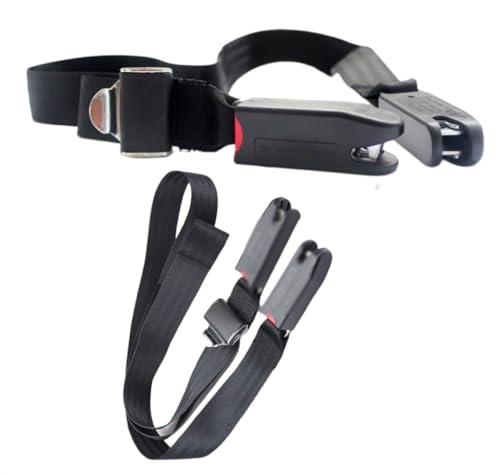
- Rigid LATCH systems: Guarantee a secure, error-free installation, critical for maintaining safety standards.
- Energy-absorbing foam: Dissipates impact forces, safeguarding your child’s head and body. Many top-rated seats also feature breathable mesh fabric that enhances comfort and helps regulate your baby's temperature during long rides.
Base vs. No Base
Mastering the installation method plays a significant role in your infant car seat’s safety performance. Choosing between a base and no base directly affects how securely you can install the seat and utilize its safety features. A base typically offers enhanced stability and reduces movement during a crash, while installation without a base relies heavily on your ability to correctly use the vehicle’s seat belt or LATCH system.
Consider these factors when deciding:
- Bases often include anti-rebound bars and load legs, boosting safety features.
- Installing with a base generally guarantees a more secure, stable fit.
- Some seats, like the Nuna Pipa RX, score high in ease of use without a base.
- Manufacturers recommend using a base to minimize improper installation risks.
Prioritize the method that maximizes safety and simplifies installation for your family.
Weight and Portability Considerations for Safety
Since you'll likely carry and install your infant car seat multiple times a day, its weight and portability directly influence both convenience and safety compliance. Choosing a lightweight seat with easy to install features encourages consistent, safe usage. While heavier models may offer additional safety features, they can be cumbersome and reduce regular use. Balancing weight and safety is key. Some convertible car seats, like the Safety 1st Guide, use a slim design to optimize space without sacrificing protection.
| Model | Weight (lbs) | Notable Feature |
|---|---|---|
| Graco SnugRide 35 | 7.6 | Lightweight seat, highly portable |
| Nuna Pipa RX | 8.5 | Easy to install, strong safety |
| Clek Liing | 10.5 | Advanced safety features |
| Average Model | 10.1 | Standard weight and safety |
| Lightweight Seat | <8 | Enhanced portability |
Focus on weight and portability considerations to guarantee you serve your infant's safety effectively.
When choosing between budget-friendly and premium infant car seats, you must consider the balance between cost, safety features, and ease of use.
Premium safety options like the Nuna Pipa RX and Clek Liing offer superior car seat safety with crash test scores above 7.5 and added safety features such as anti-rebound bars and load legs.
Premium infant car seats like Nuna Pipa RX and Clek Liing provide top-tier safety with scores above 7.5 and advanced features.
Budget-friendly models like the Britax Willow S and Graco SnugRide 35 Lite LX provide reasonable protection but often lack these advanced features and may be harder to install.
Here’s what to weigh:
- Premium seats score higher in crash tests (up to 9.0)
- Added safety features enhance stability and protection
- Budget-friendly options are lighter but may lack ease of installation
- Price reflects the trade-off between convenience and advanced safety
Choose what best serves your family's safety and usability needs.
Safety Innovations in Infant Car Seats
Although selecting a car seat can be overwhelming, understanding the latest safety innovations will help you make an informed choice.
Modern infant car seats now include advanced safety features like anti-rebound bars, which minimize movement during collisions, enhancing stability.
Load legs extend from the base to the vehicle floor, reducing rotational forces and improving crash performance. Many convertible seats, such as the Graco Extend2Fit, also offer adjustable headrest support to provide additional protection and comfort as your child grows.
Rigid lower anchors, as seen in models like the Clek Liing, assure a more secure installation, lowering user error risks.
Energy-absorbing foam and reinforced shell designs, found in seats such as the Nuna Pipa RX, offer superior side-impact protection.
Additionally, safety indicators and built-in lock-off systems simplify installation, guaranteeing proper fit.
These innovations collectively elevate the protection you provide, assuring your infant’s safety on every journey.
Importance of Proper Fit for Newborns
Ensuring a proper fit in an infant car seat directly impacts your newborn’s safety by keeping the harness snug and secure, which greatly reduces injury risk during a crash.
Achieving a secure fit means selecting a seat that matches your baby’s size and adhering to established safety standards.
To guarantee proper fit, remember to:
- Choose an infant car seat designed for newborns up to 30 inches or 35 pounds.
- Use adjustable harness systems and removable inserts to accommodate your newborn’s size.
- Confirm the harness fits snugly without slack, ensuring no more than one inch of movement at the base.
- Follow manufacturer guidelines and American Academy of Pediatrics recommendations on rear-facing use.
Travel Systems and Safety Compatibility
Because travel systems combine an infant car seat and stroller designed to work seamlessly together, they offer unmatched convenience and safety for on-the-go parents. Ensuring safety compatibility means selecting an infant car seat that meets rigorous crash standards and pairs securely with its stroller. Prioritize travel systems featuring advanced installation methods like rigid LATCH bases, which minimize errors and enhance stability. Models such as the Nuna Pipa RX and Clek Liing exemplify superior safety and ease of use. When you choose a travel system, confirm the infant car seat fits snugly to the stroller for maximum protection and smooth changes.
| Travel System Model | Infant Car Seat | Installation Method |
|---|---|---|
| Nuna | Pipa RX | Rigid LATCH Base |
| Clek | Liing | Load Leg + Anti-Rebound |
| Graco | SnugRide | Standard LATCH |
| Chicco | KeyFit 30 | Rigid LATCH Base |
| Britax | B-Safe Gen2 | Load Leg Installation |
Common Safety Mistakes to Avoid When Using Infant Car Seats
When you use an infant car seat, avoiding common safety mistakes is essential to protecting your child.
To guarantee your safe car seat performs as intended, focus on these critical points:
- Install the seat precisely following manufacturer instructions; improper installation can reduce crash protection by up to 80%.
- Always secure your child using the harness system correctly; loose or misplaced straps greatly increase injury risk.
- Position rear-facing seats exclusively in the back seat; airbags in the front pose serious dangers to infants.
- Monitor the height and weight limits carefully; exceeding them compromises safety and increases injury potential.
For added peace of mind, choose a seat that meets rigorous safety standards and provides clear, detailed instructions to support proper installation and ongoing use.
How Comfort and Quality Affect Safety Performance
Although safety features remain paramount, the comfort and quality of an infant car seat greatly influence its protective performance.
When a seat offers superior comfort through ample padding and ergonomic support, it reduces injury risks during a crash. High-quality materials and construction directly correlate with stronger crash test results, as demonstrated by the Nuna Pipa RX’s impressive 9.0 crash test and 9.8 comfort/quality scores. The Britax One4Life, for instance, features a high-strength steel frame and advanced safety technologies that contribute to both comfort and crash protection.
Superior comfort and quality materials enhance safety by reducing injury risks and improving crash test performance.
Features like anti-rebound bars and load legs not only stabilize the seat during collisions but also enhance comfort for your infant.
Poor comfort and lower quality can lead to improper installation or misuse, compromising safety performance.
By prioritizing comfort and quality, you guarantee the car seat functions at its best, providing the best possible protection for the child you’re committed to serving.
Maintenance Tips to Keep Your Infant Car Seat Safe
To keep your infant car seat safe, you need to clean it regularly following the manufacturer’s guidelines to maintain hygiene and material integrity.
Make it a habit to inspect and tighten the harness straps to make certain they fit snugly against your child.
Additionally, check the base stability every time you install the seat to guarantee a secure fit and ideal protection.
Regular Cleaning Practices
Since your infant car seat endures daily use, maintaining its cleanliness is essential for safety and hygiene.
Regular cleaning practices not only preserve the fabric and components but also guarantee the seat’s safety features work effectively.
To keep your infant car seats safe and reliable, follow these steps:
- Remove and wash the fabric cover per the manufacturer’s instructions, typically machine washable.
- Clean plastic parts with mild soap and water, avoiding harsh chemicals that could damage safety features.
- Regularly inspect the harness system for damage and guarantee it fits snugly without twists.
- Reinstall the seat securely, checking stability using the LATCH system or seat belt.
Consistent care helps you install the seat properly and ensures your child's protection during every ride.
Harness Inspection Routine
Keeping your infant car seat clean is just one part of ensuring your child's safety; regularly inspecting the harness system plays an equally important role. Check the harness straps for fraying, twisting, or damage, as compromised straps reduce safety. Make sure the harness buckle works smoothly and is free of debris. Adjust the straps snugly against your child’s body, ensuring they sit at or below shoulder level for rear-facing seats.
| Inspection Step | What to Look For | Action Required |
|---|---|---|
| Harness Straps | Fraying, twisting, damage | Replace if compromised |
| Harness Buckle | Debris, malfunction | Clean or repair |
| Harness Adjustment | Snug fit, correct height | Adjust for child's size |
| Buckle Release | Easy emergency release | Test regularly |
Regular checks guarantee maximum safety and ease of use.
Base Stability Checks
Three key checks can greatly improve the stability of your infant car seat base. Performing regular base stability checks guarantees your child’s safety by confirming a secure installation. Here’s what you should focus on:
- Verify the base moves less than an inch side-to-side or front-to-back when pulled firmly.
- Inspect the load leg to make sure it’s fully extended and firmly contacts the vehicle floor.
- Look for any signs of wear, damage, or cracking that could undermine stability.
- Follow the manufacturer’s instructions precisely for installation and maintenance guidelines.
Frequently Asked Questions
What Is the Safest Car Seat Brand for Infants?
You should focus on best car seat brands like Nuna, Britax, and Clek, which excel in infant car seat features and meet strict car seat safety standards. Reading infant car seat reviews helps you choose the safest option.
What Is the Safest Seat in a Car for a Baby?
You should place your baby in the rear middle seat for ideal infant car safety. Use rear-facing seats to reduce injury risk, prioritize side impact protection, and follow installation tips carefully to guarantee a secure, snug fit.
What Is the #1 Safest Car?
Think of choosing the #1 safest car like picking a fortress: prioritize top safety features, analyze crash test ratings, study consumer reviews, and follow installation tips carefully to guarantee your loved ones stay protected on every journey.
What Is the Safest Car Seat in an Accident?
You should prioritize car seats with top crash test scores and strong safety ratings. Reviewing accident statistics helps, and following installation tips guarantees maximum protection. Models like Nuna Pipa RX excel due to advanced features and rigorous testing.
Final Thoughts
Choosing the safest infant car seat might feel overwhelming, but focusing on updated safety standards and crash test results simplifies your decision. Don’t worry if installation seems tricky—many seats offer clear instructions and versatile methods to guarantee a secure fit. By prioritizing features designed for protection and regularly maintaining the seat, you’re giving your baby the best defense on every trip. Safety and ease go hand in hand when you know what to look for.
If you want to know other articles similar to What Is the Safest Infant Car Seat? you can visit the Baby Car Seats category.
What Are the Best Baby Car Seats for Small Cars?

Why Choose Baby Car Seats Under $100?

How to Use Rotating Baby Car Seats Safely

Why Choose FAA Approved Car Seats for Airplanes?

10 Tips for Choosing the Best Convertible Car Seat

10 Tips for Rear Facing Car Seat Installation

What Are the Easiest Baby Car Seat Covers to Clean?

10 Tips for Choosing High Weight Limit Car Seats

Top 3 Baby Car Seats Compatible With Strollers
This is also interesting