


Unlocking Subcutaneous Fat: The Hidden Roadblock to Rapid Weight Loss


You may find subcutaneous fat stubborn because your body defends it as an energy reserve beneath your skin. Hormonal imbalances, such as high cortisol or insulin resistance, can increase its storage. Tackling it requires balanced nutrition, combining protein, healthy fats, and whole grains, plus consistent exercise like HIIT and strength training. Managing stress and ensuring quality sleep also help prevent retention. Understanding these factors can reveal your progress and guide you toward faster, sustainable fat loss results.
Table
- Main Points
- Understanding Subcutaneous Fat and Its Impact
- Differences Between Subcutaneous and Visceral Fat
- Hormonal Influences on Subcutaneous Fat Accumulation
- Nutritional Approaches to Reduce Subcutaneous Fat
- Effective Exercise Strategies to Target Subcutaneous Fat
- The Role of Stress Management in Fat Loss
- How Sleep Affects Subcutaneous Fat Levels
- Monitoring Progress: Tools and Techniques
- Long-Term Lifestyle Changes for Sustainable Fat Reduction
- Frequently Asked Questions
- Final Thoughts
Main Points
- Excess subcutaneous fat beneath the skin can slow weight loss by storing energy and signaling higher visceral fat risks.
- Hormonal imbalances like high cortisol or insulin resistance increase subcutaneous fat retention and hinder fat loss efforts.
- Combining HIIT and strength training maximizes subcutaneous fat burning by boosting metabolism and preserving muscle mass.
- Managing stress and ensuring 7-9 hours of quality sleep reduce cortisol, improving fat metabolism and reducing fat storage.
- Tracking body composition and adjusting nutrition helps maintain a calorie deficit and promotes steady subcutaneous fat loss.
Understanding Subcutaneous Fat and Its Impact
Many people don’t realize that subcutaneous fat, which lies just beneath your skin, plays important roles like cushioning your muscles and regulating temperature. This fat layer supports your skin and underlying tissues while also acting as an energy reserve.
However, excess subcutaneous fat, especially around the belly, can increase your risk of health issues like type 2 diabetes and heart disease.
Excess belly fat can raise risks for type 2 diabetes and heart disease.
If you’re wondering how to get rid of subcutaneous fat, it’s essential to focus on lifestyle changes. Reducing calorie intake, increasing physical activity, and managing insulin resistance can help decrease this fat.
Understanding subcutaneous fat’s function and impact empowers you to adopt effective strategies for fat loss and improved health. Increasing brown adipose tissue levels can also enhance calorie burning and metabolism, aiding in the reduction of stubborn fat deposits.
Differences Between Subcutaneous and Visceral Fat
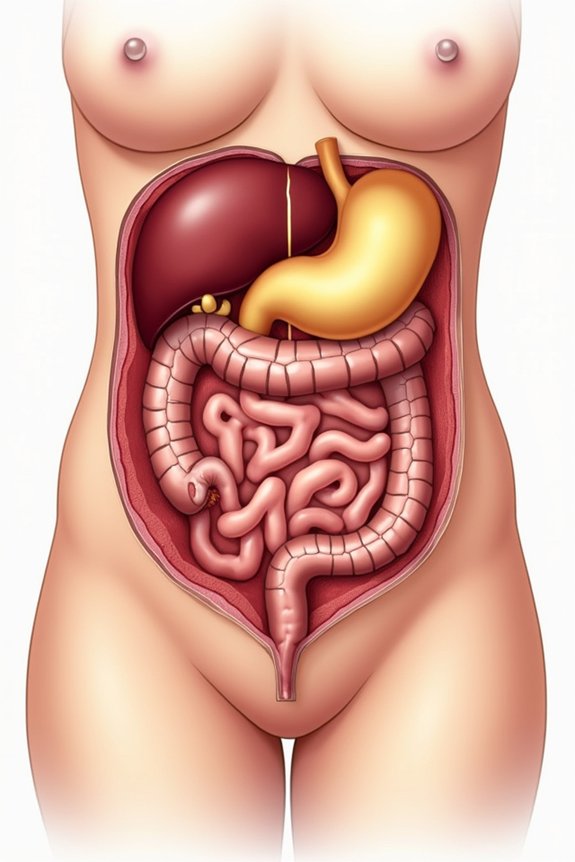
Understanding subcutaneous fat's role opens the door to recognizing how it differs from visceral fat, which lies deeper within your abdomen.
Subcutaneous fat sits directly beneath your skin and can be pinched, commonly found around your hips, thighs, and belly.
Visceral fat, however, surrounds essential organs like your liver and stomach, posing greater health risks such as heart disease and diabetes.
While subcutaneous fat mainly acts as an energy reserve and insulation, excessive visceral fat contributes to metabolic dysfunction and inflammation.
High subcutaneous fat levels may signal elevated visceral fat, making both important to address.
Unlike subcutaneous fat, visceral fat links closely to hormonal imbalances and insulin resistance.
Understanding these differences helps you target fat loss effectively and improve overall health.
Supporting liver function and detoxification can be crucial in managing both types of fat and enhancing metabolic health.
Hormonal Influences on Subcutaneous Fat Accumulation
Because your hormones regulate key processes like metabolism and fat storage, imbalances can directly increase subcutaneous fat, especially around your abdomen. Hormonal imbalances such as elevated estrogen, insulin resistance, low testosterone, and high cortisol levels can all hinder subcutaneous fat loss. Understanding these effects helps you target the root causes of stubborn fat. Certain natural supplements, such as those containing GLP-1 enhancing bioflavonoids, may support metabolic balance and appetite regulation to aid fat loss efforts.
| Hormone | Effect on Subcutaneous Fat |
|---|---|
| Estrogen | Increases abdominal fat storage |
| Insulin | Prevents effective fat burning |
| Testosterone | Low levels reduce fat metabolism |
| Cortisol | Promotes fat retention under stress |
Nutritional Approaches to Reduce Subcutaneous Fat

You can reduce subcutaneous fat by focusing on balanced macronutrient intake, combining proteins, healthy fats, and complex carbs to keep your energy stable and hunger at bay.
Choosing anti-inflammatory foods like leafy greens, berries, and fatty fish supports your body's fat-burning processes and overall health.
These nutritional strategies work together to help you manage fat more effectively and sustainably.
Balanced Macronutrient Intake
When aiming to reduce subcutaneous fat, balancing your intake of carbohydrates, proteins, and fats plays an essential role in creating the negative energy balance needed for fat loss. A balanced macronutrient intake helps regulate hunger, blood sugar, and hormone levels, all vital for how to get rid of subcutaneous fat effectively. Prioritize high-quality proteins for satiety, whole grain carbs in moderation to stabilize blood sugar, and healthy fats to support fullness and hormonal balance. Supplements like Herbtonics Apple Cider Vinegar Capsules can assist by promoting appetite control through GLP-1 regulation, which supports satiety and reduces cravings.
| Macronutrient | Benefit |
|---|---|
| Protein | Increases satiety, reduces cravings |
| Carbohydrates | Provides fiber, regulates blood sugar |
| Fats | Supports hormones, enhances fullness |
| Balanced mix | Prevents insulin spikes, aids fat loss |
Anti-Inflammatory Food Choices
Although balancing macronutrients is essential, selecting anti-inflammatory foods can greatly enhance your efforts to reduce subcutaneous fat. These foods help lower inflammation, which is linked to higher levels of subcutaneous fat, and support overall fat loss.
Focus on including:
- Fatty fish like salmon and walnuts, rich in omega-3 fatty acids that decrease inflammatory markers and improve body composition.
- Leafy greens and berries packed with antioxidants to combat oxidative stress associated with fat accumulation.
- Spices such as turmeric and ginger that boost metabolism and possess anti-inflammatory properties.
Incorporating these anti-inflammatory foods into your diet not only aids in reducing subcutaneous fat but also promotes better metabolic health, making your weight loss journey more effective and sustainable. Additionally, combining turmeric with Berberine and probiotics can enhance gut health and nutrient absorption, further supporting fat loss and metabolic balance.
Effective Exercise Strategies to Target Subcutaneous Fat

To effectively target subcutaneous fat, you’ll want to include high-intensity interval training (HIIT) and strength training in your routine, as both boost calorie burn and metabolism.
Staying consistent with your workouts and gradually increasing intensity guarantees continued progress over time.
This balanced approach helps you burn fat more efficiently while improving overall fitness.
Supplementing your regimen with thermogenic fat burners like Animal Cuts can further enhance fat oxidation and metabolic rate.
High-Intensity Interval Training
Because you want to efficiently reduce subcutaneous fat, incorporating High-Intensity Interval Training (HIIT) into your routine can make a significant difference.
HIIT involves short bursts of intense effort followed by brief rest, making it a powerful subcutaneous fat exercise. Here’s why it works:
- HIIT helps you burn subcutaneous fat faster than steady-state cardio by boosting your metabolic rate for hours after exercise.
- It targets both subcutaneous and visceral fat, offering extensive fat loss benefits.
- Sessions last just 20-30 minutes, fitting into busy schedules without sacrificing effectiveness.
Additionally, combining HIIT with balanced meal guidance enhances fat loss and supports overall fitness transformation.
Strength Training Benefits
Incorporate strength training into your routine to effectively target subcutaneous fat and boost your metabolism. By increasing muscle mass, strength training raises your resting metabolic rate, allowing your body to burn more calories even when at rest.
Engaging in resistance exercises two to three times a week helps improve body composition by reducing fat while preserving lean muscle. To optimize how to get rid of subcutaneous fat, focus on compound movements like squats, deadlifts, and bench presses, which activate multiple muscle groups and enhance calorie burn.
These exercises also improve insulin sensitivity, further aiding fat loss. Combined with aerobic activity, strength training is a proven strategy for how to burn subcutaneous fat efficiently, making it essential in your fat loss journey. Additionally, supporting your exercise regimen with natural supplements that boost brown adipose tissue can enhance fat burning and energy conversion.
Consistency and Progression
Consistency plays an indispensable role in effectively reducing subcutaneous fat through exercise. To understand how to get rid of subcutaneous fat and how to reduce subcutaneous belly fat, you need a clear, progressive plan. Here’s what works best:
- Aim for at least 150 minutes of aerobic exercise weekly to boost calorie burn and target fat.
- Incorporate HIIT sessions to maximize fat loss in less time.
- Perform strength training twice a week to build muscle, increasing your resting metabolism.
Gradually increasing workout intensity and duration over time guarantees steady progress. Staying consistent with these strategies helps you create a calorie deficit crucial for fat loss. Additionally, supporting your exercise routine with proper nutrition, such as consuming 30 grams of complete protein per serving like in a Pure Protein Chocolate Shake, can enhance muscle recovery and fat loss results.
The Role of Stress Management in Fat Loss
While managing your diet and exercise is important, controlling stress plays a critical role in losing subcutaneous fat, especially around your belly.
Chronic stress raises cortisol levels, which encourages your body to hold onto fat and increases cravings for sugary, carb-heavy foods. This makes it harder to decrease body fat despite your efforts.
Effective stress management techniques like mindfulness meditation, yoga, and regular physical activity can lower cortisol and help you avoid stress-induced eating.
By addressing emotional triggers and reducing stress, you support your weight loss goals more sustainably. Incorporating stress management into your routine is essential for releasing stubborn subcutaneous fat and achieving lasting results.
Additionally, supporting your metabolism and appetite through natural GLP-1 production can enhance your body's ability to manage cravings and maintain balanced energy levels.
How Sleep Affects Subcutaneous Fat Levels
Because sleep directly influences hormones that regulate hunger and metabolism, getting enough quality rest is essential for managing subcutaneous fat levels.
When you know how to get rid of subcutaneous fat, prioritizing quality sleep is a key step. Here’s why:
- Sleep controls ghrelin and leptin, hormones that affect your appetite and fullness, helping prevent overeating.
- Lack of sleep raises cortisol levels, which promotes fat storage, especially around your belly.
- Poor sleep increases cravings for sugary and fatty foods, making fat loss harder.
Aim for 7-9 hours of restorative sleep each night to boost metabolism, improve insulin sensitivity, and support your efforts to decrease body fat effectively.
Quality sleep isn’t just rest—it’s a powerful tool in releasing subcutaneous fat loss. Additionally, incorporating supplements with natural ingredients that support digestion and reduce bloating can complement your fat loss journey.
Monitoring Progress: Tools and Techniques
Tracking your progress plays a key role in managing subcutaneous fat effectively. To understand how to get rid of subcutaneous fat, you need reliable tools that give clear feedback. Using body composition scales, tracking waist circumference, and progress photos provide measurable and visual evidence of fat loss. Additionally, keeping a food diary or app-based calorie tracking guarantees you maintain the necessary energy deficit. Fitness assessments help confirm improvements in muscle and metabolism, supporting fat reduction. For optimal fat loss support, consider supplements that aid in appetite suppression and metabolism boosting.
| Tool | Purpose | Benefit |
|---|---|---|
| Body Composition Scale | Measures body fat percentage | Targets subcutaneous fat accurately |
| Waist Circumference | Tracks abdominal fat change | Simple, practical indicator |
| Food Diary/App | Monitors calorie & nutrient intake | Maintains negative energy balance |
| Progress Photos | Visualizes body changes | Motivates and confirms progress |
These methods keep you informed and motivated on your fat loss journey.
Long-Term Lifestyle Changes for Sustainable Fat Reduction
Achieving lasting fat reduction hinges on consistently maintaining a negative energy balance by consuming fewer calories than you burn through a combination of diet and exercise.
To learn how to get rid of subcutaneous fat and how to lose subcutaneous belly fat effectively, focus on these three key lifestyle changes:
- Combine aerobic exercises with strength training to boost metabolism and increase muscle mass, supporting long-term fat loss.
- Choose balanced meals rich in lean proteins, whole grains, and vegetables to stabilize blood sugar and reduce cravings.
- Prioritize stress management and quality sleep to regulate hormones like cortisol and hunger signals, preventing fat retention.
Frequently Asked Questions
What Is the Fastest Way to Get Rid of Subcutaneous Fat?
To lose subcutaneous fat fast, create a calorie deficit by eating less and moving more. Combine aerobic exercises, HIIT, and strength training, eat enough protein, and manage stress to boost fat loss effectively and sustainably.
Why Is Subcutaneous Fat so Hard to Lose?
You find subcutaneous fat hard to lose because your body resists burning it due to factors like insulin resistance and inflammation. Stress and misconceptions also slow progress, so a balanced, holistic approach really helps you succeed.
What Melts Subcutaneous Fat?
Think of subcutaneous fat as stubborn glue; you can melt it with HIIT, strength training, and aerobic exercises combined with a balanced diet. Managing stress and cortisol levels also plays an essential role in releasing fat loss efficiently.
How Do You Trigger Rapid Fat Loss?
You trigger rapid fat loss by creating a calorie deficit through balanced meals, combining HIIT with strength training, managing insulin via low sugar intake, and staying consistent with aerobic exercise to boost metabolism and fat oxidation effectively.
Final Thoughts
Think of subcutaneous fat as a stubborn lock on the door to your weight loss goals—it takes the right combination of nutrition, exercise, stress management, and sleep to open it. By understanding how this fat behaves and making consistent, evidence-based changes, you’ll break through plateaus and accelerate your progress. Stay patient and committed, knowing that each healthy choice brings you closer to a leaner, stronger you. You’ve got this.
If you want to know other articles similar to Unlocking Subcutaneous Fat: The Hidden Roadblock to Rapid Weight Loss you can visit the Weight Loss category.
7 Surprising Foods That Lower Blood Pressure and Melt Belly Fat

7 High-Carb Foods Sabotaging Your Weight Loss Without You Knowing

How a 30-Minute Walk Burns Fat Faster Than You Think

Burn Fat Faster: The Single Exercise Proven to Triple Weight Loss

Unlocking Strawberry Carbs: How Many Berries Fit Your Weight Loss Plan

7 Hidden Reasons Your Weight Won’t Budge—And How to Fix Them Fast

7 Unexpected Habits That Melt Belly Fat for a Noticeably Flatter Stomach

Drop 20 Pounds in 30 Days: The Science-Backed Rapid Reset Plan

Unlock Your Optimal Fat Burning Heart Rate for 2x Faster Results
This is also interesting