


Unlock Rapid Fat Loss: The Science and Surprising Benefits of Ketosis


You access rapid fat loss by entering ketosis, a metabolic state where your body switches from burning carbs to fat for fuel. To get there, keep your daily carbs below 20-50 grams, which prompts your liver to produce energy-boosting ketones. This shift typically takes a few days and can also improve insulin sensitivity and mental clarity. While it may come with initial challenges, the benefits extend beyond weight loss. Exploring these mechanisms reveals even more advantages and tips for success.
Table
Main Points
- Ketosis shifts the body from glucose to fat as the primary energy source, accelerating fat loss effectively.
- Restricting carbs to 20-50 grams daily triggers ketone production, promoting rapid fat burning.
- Ketones provide steady energy, reduce appetite, and improve insulin sensitivity, aiding weight management.
- Incorporating intermittent fasting and MCTs can speed up ketosis and enhance fat oxidation.
- Beyond fat loss, ketosis offers mental clarity, anti-inflammatory effects, and supports metabolic health.
Understanding Ketosis and Its Role in Fat Loss
Although many diets promise quick results, ketosis stands out by fundamentally changing how your body fuels itself, shifting from glucose to fat as the primary energy source.
But what's ketosis exactly? It’s a metabolic state triggered when you restrict carbs to about 20-50 grams daily, prompting your liver to produce ketone bodies for energy.
How long to get into ketosis varies, typically 2-7 days depending on your carb intake and activity level. To achieve ketosis, you’ll focus on high fat, moderate protein, and very low carbs.
Entering ketosis usually takes 2-7 days with low carbs, moderate protein, and high fat intake.
Early symptoms and signs of ketosis include increased thirst, dry mouth, and reduced appetite. Understanding the ketosis timeline helps you recognize these changes, ensuring you stay on track for effective fat loss.
How Carbohydrate Intake Influences Ketosis

When you reduce your carbohydrate intake to about 20-50 grams per day, your body begins to shift from relying on glucose to using fat for energy, entering the state of ketosis.
Carbohydrate intake plays an essential role in this metabolic change; consuming more than 50 grams daily can prevent ketone production, delaying ketosis.
You might wonder how long to enter ketosis—typically, it takes two to four days, but individual factors can affect this timeline.
To know how to get into ketosis efficiently, focus on maintaining low carb consumption combined with sufficient fat and moderate protein intake.
If you’re asking how many days to get into ketosis, expect a short adaptation period.
The fastest way to get into ketosis involves strict carb reduction and possibly intermittent fasting, which accelerates glycogen depletion and ketone production.
Enhancing Ketone Production With Diet and Supplements
Since ketone production is central to the effectiveness of a ketogenic diet, you can enhance it through specific dietary choices and supplements.
To learn how to get into ketosis fast, reduce your carbohydrate intake to below 50 grams per day, which promotes fat oxidation and increases beta-hydroxybutyrate (BHB) levels. Intermittent fasting further accelerates this process by depleting glycogen stores, shortening how long to reach ketosis.
Incorporating medium-chain triglycerides (MCTs) provides a rapid ketone source, supporting energy and how to stay in ketosis consistently. Additionally, supplementation with electrolytes like magnesium and potassium helps prevent keto flu symptoms and supports metabolic function during this change.
These strategies work together for effective enhancing ketone production and sustaining ketosis for rapid fat loss.
Health Benefits Beyond Weight Loss
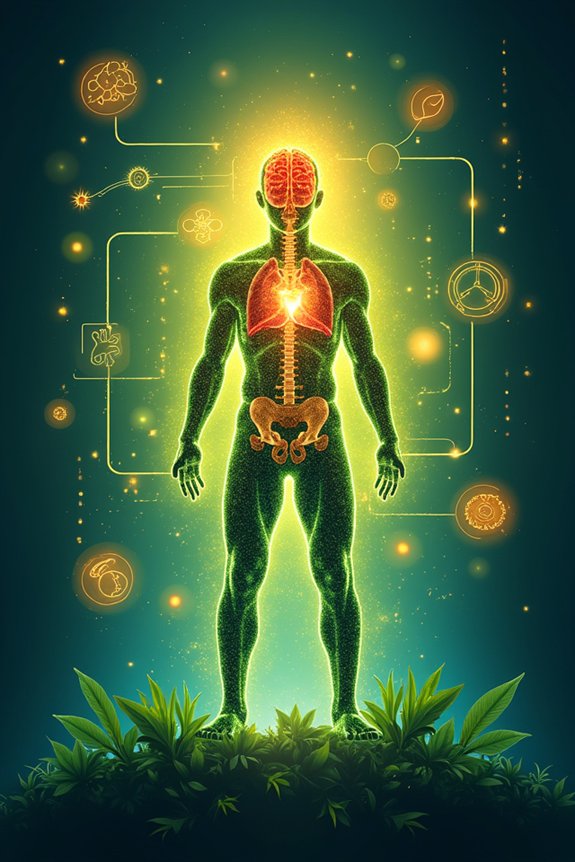
Beyond just shedding pounds, the ketogenic diet offers several health benefits that can improve your overall well-being.
When you learn how to go into ketosis and understand how long to get in ketosis, you tap into more than fat loss. Ketosis can improve insulin sensitivity, helping regulate blood sugar and benefiting those with Type 2 diabetes.
Understanding ketosis unlocks benefits beyond fat loss, including improved insulin sensitivity and blood sugar regulation for Type 2 diabetes.
You might wonder what does ketosis feel like—many report increased mental clarity, a sign of ketones enhancing cognitive function.
Additionally, ketones have anti-inflammatory properties that may reduce chronic inflammation, supporting recovery and heart health.
This evidence-based approach shows that adopting a keto diet plan for women or men isn’t just about weight—it’s a powerful lifestyle shift for your metabolic and neurological health.
Supplements that support liver function and detoxification can further enhance metabolic efficiency and overall well-being during ketosis.
Common Challenges and Tips for Success on the Keto Diet

Achieving and maintaining ketosis can present several challenges that might disrupt your progress if you're not prepared. You may wonder how long does it take to get into ketosis; typically, it takes 2-7 days depending on your carb intake and metabolism.
When does your body go into ketosis? It shifts once your carb consumption drops to 20-50 grams daily, so tracking macronutrients diligently is essential.
Early in this phase, you might experience the keto flu—symptoms like fatigue and headaches. To ease these, prioritize hydration and electrolytes, especially magnesium and potassium.
Gradually reducing carbs rather than cutting them abruptly also helps your body adjust more smoothly. Planning meals ahead and keeping keto-friendly snacks ready will support your adherence and success on the keto diet.
In addition, supporting your metabolism with natural supplements that increase brown adipose tissue can enhance fat burning during ketosis.
Frequently Asked Questions
Can I Lose 10 Pounds in 2 Weeks on Keto?
You can lose 10 pounds in two weeks on keto by restricting carbs to 20-50 grams daily, triggering ketosis and rapid fat loss. Results vary, so stay consistent and monitor your body's response for best outcomes.
Is Ketosis the Fastest Way to Burn Fat?
Think of ketosis as a high-performance furnace burning fat efficiently. While it's one of the fastest fat-burning methods, individual results vary. Scientific evidence shows ketosis boosts fat oxidation and appetite control, aiding quicker, sustainable weight loss.
How Much Weight Can I Lose in 1 Month on Keto?
You can lose 4 to 10 pounds in your first month on keto, mostly from water and fat loss. Results vary based on your starting weight, carb intake (under 50 grams daily), and adherence to the diet.
How Long Is It Safe to Be in Ketosis?
Imagine your body as a well-tuned machine; you can safely stay in ketosis for months or years. Just keep carbs under 50 grams, monitor health markers, and consult your doctor to confirm it suits your needs.
Final Thoughts
You might worry that cutting carbs feels too restrictive, but keeping your intake between 20-50 grams daily is manageable and effective for entering ketosis. By doing so, you’ll tap into your body’s fat-burning power, boost energy, and improve mental clarity. With the right approach, ketosis isn’t just a diet—it’s a sustainable lifestyle backed by science. Ready to transform your health and shed stubborn fat? Start your keto journey with confidence today.
If you want to know other articles similar to Unlock Rapid Fat Loss: The Science and Surprising Benefits of Ketosis you can visit the Weight Loss category.
7 Surprising Foods That Lower Blood Pressure and Melt Belly Fat

7 High-Carb Foods Sabotaging Your Weight Loss Without You Knowing

How a 30-Minute Walk Burns Fat Faster Than You Think

Burn Fat Faster: The Single Exercise Proven to Triple Weight Loss

Unlocking Strawberry Carbs: How Many Berries Fit Your Weight Loss Plan

7 Hidden Reasons Your Weight Won’t Budge—And How to Fix Them Fast

7 Unexpected Habits That Melt Belly Fat for a Noticeably Flatter Stomach

Drop 20 Pounds in 30 Days: The Science-Backed Rapid Reset Plan

Unlock Your Optimal Fat Burning Heart Rate for 2x Faster Results
This is also interesting