










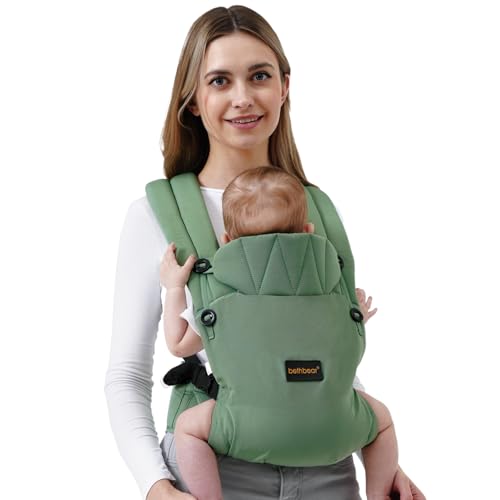


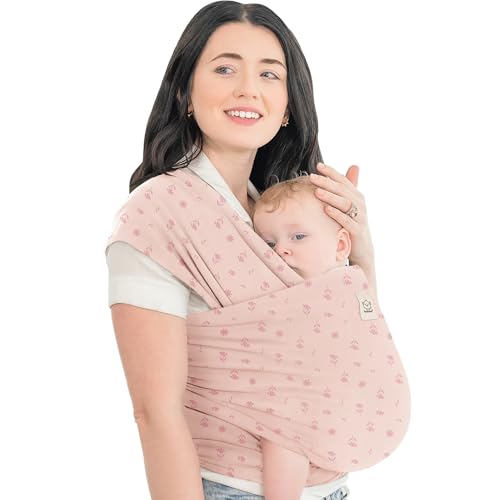

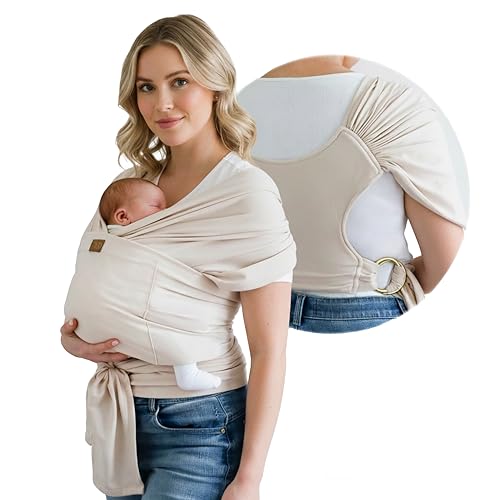
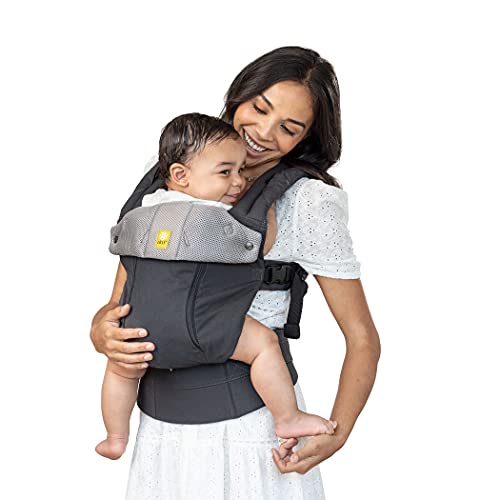







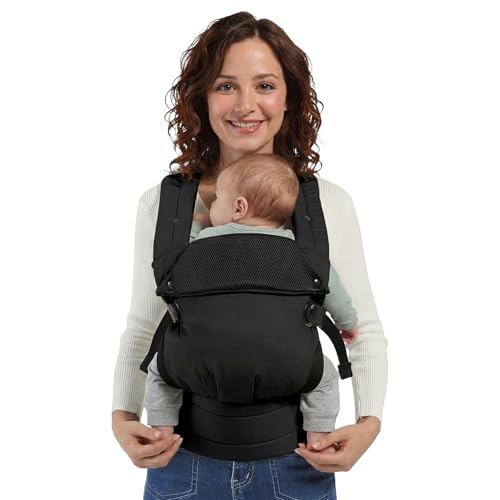
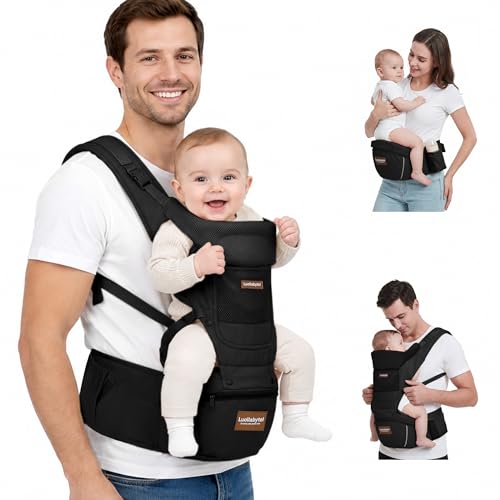



Why Choose These Baby Carriers for Newborns?


You’ll choose these baby carriers because they provide your newborn with secure support, comfort, and promote healthy hip development by keeping them in the recommended M position. They’re designed with breathable fabrics and safety features that give you peace of mind, while ergonomic straps prevent strain during long wear. Plus, many models offer easy nursing access and adjust as your baby grows. Discover how these carriers can make bonding and everyday life smoother for both of you.
Table
- Main Points
- Benefits of Babywearing for Newborns
- Key Features to Look for in Newborn Baby Carriers
- Understanding the TICKS Safety Guidelines
- Comparing Wraps and Structured Carriers
- How Baby Carriers Support Healthy Hip Development
- Adjustability and Fit for Growing Babies
- Materials and Breathability for Newborn Comfort
- Ease of Use: Putting on and Taking off Baby Carriers
- Comfort Considerations for Parents and Caregivers
- Versatility: Carrying Positions Suitable for Newborns
- Nursing-Friendly Baby Carriers for On-the-Go Feeding
- Weather Adaptability and Seasonal Considerations
- Design and Aesthetic Elements in Baby Carrier Choices
- Long-Term Use and Transitioning Beyond Newborn Stage
- Frequently Asked Questions
- Final Thoughts
Main Points
- Ensures healthy hip development by supporting the recommended M position to reduce hip dysplasia risk.
- Made from breathable, moisture-wicking fabrics like Tencel modal for newborns' temperature regulation and comfort.
- Features ergonomic designs with padded, adjustable straps for even weight distribution and caregiver comfort.
- Offers versatile carrying positions and easy adjustments to grow with the baby and suit various activities.
- Includes nursing-friendly options with discreet access, enhancing bonding and convenience during feeding.
Benefits of Babywearing for Newborns
Although caring for a newborn can be challenging, using a baby carrier can make a significant difference by providing your baby with a sense of security and comfort that closely mimics the womb.
A baby wrap snugly supports your little one, promoting calmness and reducing stress for both of you. Many carriers, such as the KeaBabies Baby Wrap Carrier, use breathable fabric to reduce heat buildup and moisture, ensuring a cool and dry environment for both you and your baby.
Importantly, carriers designed with the International Hip Dysplasia Institute’s guidelines in mind guarantee your baby’s legs stay in the healthy M position, encouraging proper hip development.
Carriers following International Hip Dysplasia Institute guidelines ensure healthy M-positioning for optimal hip development.
Wearing your newborn also strengthens your emotional bond, essential for their growth and well-being.
Plus, the upright position in a wrap can ease reflux and soothe fussiness, while gentle movement helps your baby sleep more soundly.
This hands-free closeness truly satisfies both your and your baby's needs.
Key Features to Look for in Newborn Baby Carriers

When choosing a baby carrier for your newborn, prioritizing key features guarantees both comfort and safety for your little one.
Look for carriers that support the M position, which keeps your baby’s hips healthy and aligned, promoting proper development.
Opt for carriers made from breathable materials like Tencel modal or linen, so your baby stays cool and comfortable, preventing overheating. Many modern carriers feature an X-shaped back design that distributes weight evenly, reducing shoulder and back strain for the caregiver.
Select soft, snug wraps or adjustable carriers designed specifically for newborns to assure a secure fit close to your body, enhancing bonding and emotional well-being.
These features not only protect your newborn but also make babywearing a rewarding experience, allowing you to serve your child with confidence and care every step of the way.
Understanding the TICKS Safety Guidelines
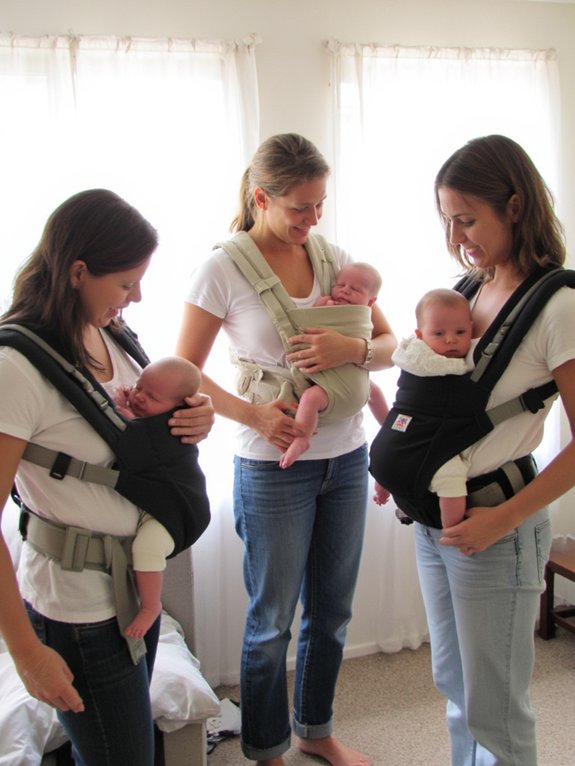
When using a baby carrier, you need to follow the TICKS guidelines to keep your newborn safe and comfortable.
That means keeping your baby tight, in view, close enough to kiss, with their chin off their chest, and supported properly.
Paying attention to visibility and positioning helps you protect your baby’s airway and strengthens your bond.
TICKS Safety Overview
The TICKS safety guidelines provide a simple yet essential framework to help you position your newborn securely in a baby carrier. Designed for practicality and peace of mind, these guidelines are particularly important when using ergonomic baby carriers that support healthy hip development.
Following TICKS guarantees your baby’s supported back and clear airways, reducing risks of suffocation or distress.
Here’s what you need to keep in mind:
- Tight: The carrier should hold your baby snugly against your body, preventing slumping.
- In view: You must always be able to see your baby’s face without obstruction.
- Close enough to kiss: Your baby’s head should be close enough for you to easily kiss.
- Keep chin off chest: Make sure your baby’s chin is lifted to maintain an open airway.
Ensuring Baby Visibility
Because keeping your baby visible at all times is essential, following the TICKS safety guidelines guarantees you can easily monitor their breathing and comfort while using a carrier.
Ensuring your baby carrier allows clear visibility means you can watch your newborn’s face without any obstruction, quickly spotting signs of distress.
Proper visibility also helps keep your baby’s chin off their chest, preventing airway blockage and ensuring a safe breathing path.
Positioning your baby close enough to kiss supports a secure connection and frequent check-ins, reinforcing your attentiveness. Choosing a carrier with ergonomic X-shaped cross straps not only promotes visibility but also reduces shoulder strain for the parent during prolonged use.
By prioritizing visibility in your choice of baby carrier, you enhance safety and comfort for your newborn, aligning perfectly with the TICKS guidelines and your commitment to nurturing care every step of the way.
Proper Baby Positioning
Although choosing the right baby carrier is important, guaranteeing proper positioning according to the TICKS safety guidelines keeps your newborn safe and comfortable throughout use.
Proper baby positioning is key to protecting your little one’s delicate body and providing essential neck support. Choosing a carrier with integrated head support ensures that your newborn's head and neck remain properly aligned during every outing.
Remember these TICKS principles:
- Tight: Keep the carrier snug to prevent slipping and maintain security.
- In view: Always have your baby’s face visible to monitor breathing and comfort.
- Close enough to kiss: Position your baby high enough for easy affection and bonding.
- Keep chin off chest: Guarantee the airway remains open by supporting the neck properly.
Following these guidelines helps you nurture safely, promoting healthy spine development while fostering closeness.
Comparing Wraps and Structured Carriers

When choosing between wraps and structured carriers for your newborn, you'll find each offers unique benefits tailored to different needs.
A wrap, like the Solly Baby Wrap, provides a snug, stretchy fabric hold that promotes bonding and security for babies weighing 8-25 lbs. It offers a customizable fit but requires some practice to tie properly.
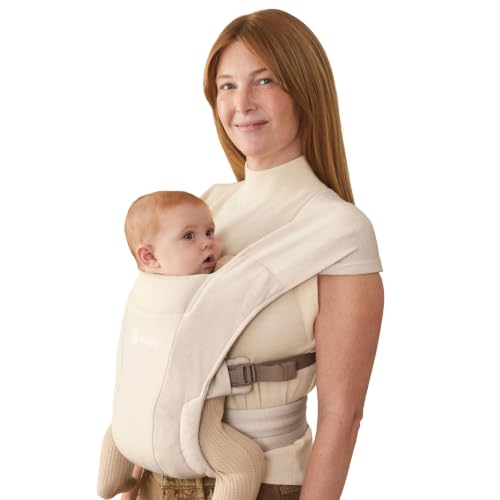
On the other hand, a structured carrier such as the Ergobaby Embrace supports 7-25 lbs with adjustable buckles and straps, making it easier to put on and take off, especially if you’re new to babywearing.
Both prioritize safety, encouraging proper leg positioning, while structured carriers often include multiple carrying options for growing infants.
Choosing between them depends on your comfort, daily routine, and how hands-on you want to be.
How Baby Carriers Support Healthy Hip Development

You’ll want to choose baby carriers that support the “M position,” where your baby’s knees are higher than their bottom to promote healthy hip development.
Look for adjustable leg openings and soft-structured designs that conform to your newborn’s body, ensuring proper alignment as they grow.
Regularly checking the fit helps you maintain this important support throughout those critical early months.
Hip-Healthy Carrier Features
Since your baby's hip development is essential during their early months, choosing a hip-healthy carrier can make a significant difference.
A baby carrier that supports proper positioning safeguards your little one’s hips as they grow. Look for these key features in hip-healthy carriers:
- Certified by the International Hip Dysplasia Institute to guarantee safe hip placement
- Adjustable leg openings to accommodate your baby’s changing size and posture
- Designs that promote an upright position, evenly distributing weight to reduce hip pressure
- Ease of adjustment to maintain correct back and hip alignment during use
Importance of M-Position
A baby carrier that supports the M-position plays an essential role in promoting healthy hip development by guaranteeing your little one’s knees stay higher than their bottom.
This natural, ergonomic posture allows the hip joints to rest correctly, reducing the risk of hip dysplasia. Research from the International Hip Dysplasia Institute shows carriers designed for the M-position greatly aid healthy hip growth during critical developmental stages.
By using a carrier that maintains this position from birth, you help guarantee ideal hip alignment when your baby’s bones are still forming.
Many soft-structured carriers and wraps are designed to support this posture, providing comfort for your baby and peace of mind for you as a caregiver committed to nurturing healthy development.
Adjustable Leg Openings
When choosing a baby carrier, ensuring adjustable leg openings can make a significant difference in supporting your newborn’s healthy hip development.
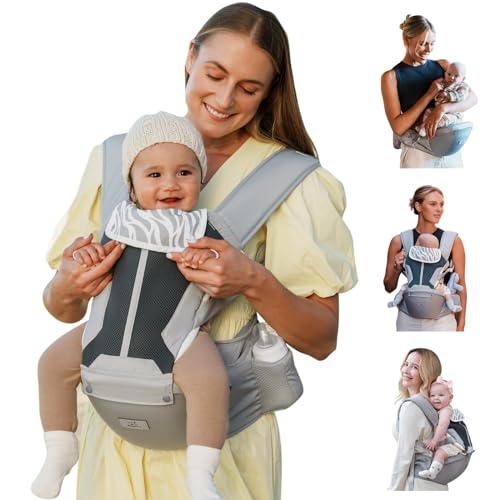
Adjustable leg openings help maintain the M position, recommended by the International Hip Dysplasia Institute, which lowers the risk of hip dysplasia. By keeping your baby’s knees above their hips, these openings provide essential support during growth. Many ergonomic carriers, such as the Sleepy Wrap and GROWNSY Ergonomic Baby Carrier, are designed with padded leg openings to enhance both safety and comfort for your child.
Look for carriers like the Ergobaby Omni 360 or Baby Tula Free to Grow that adapt as your newborn grows.
Benefits include:
- Promoting proper hip alignment
- Reducing the chance of hip dysplasia
- Enhancing muscle development
- Increasing overall comfort and support
Choosing carriers with adjustable leg openings shows your commitment to your baby’s physical well-being and healthy development.
Adjustability and Fit for Growing Babies
Although your baby will grow quickly, you don’t have to buy a new carrier every few months.
Choosing carriers with excellent adjustability guarantees a secure fit as your little one develops. Models like the Ergobaby Omni 360 and Baby Tula Free to Grow offer adjustable straps and panels that expand in width and height, accommodating growth from newborn to toddler.
Adjustable carriers like the Ergobaby Omni 360 ensure a secure, comfortable fit from newborn to toddler.
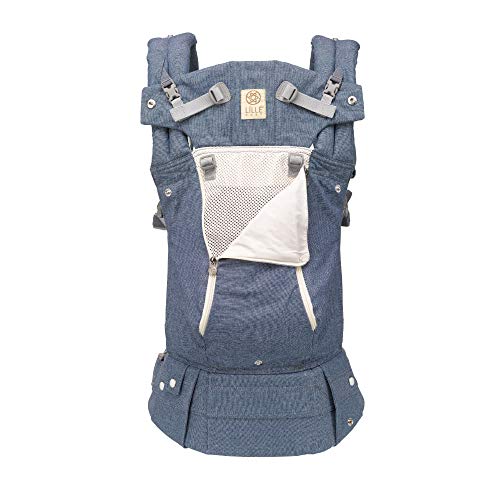
Soft-structured carriers such as the LÍLLÉbaby All Seasons adapt to various positions while maintaining proper hip support.
Even wraps like the Solly Baby Wrap can be snugly customized for comfort during early months.
Prioritize carriers with adjustable features that maintain ergonomic fit throughout growth stages, guaranteeing your baby’s comfort and safety while lightening your load as you serve their evolving needs.
Materials and Breathability for Newborn Comfort
You want a baby carrier made from soft, breathable fabrics like Tencel modal or linen to keep your newborn comfortable and cool.
These materials help regulate temperature and wick away moisture, preventing overheating and irritation.
Choosing the right fabric guarantees your baby stays cozy without feeling sweaty during wear.
Softness and Fabric Types
Choosing the right fabric for your baby carrier plays an essential role in ensuring your newborn’s comfort and safety.
Softness and fabric types directly impact how secure and cozy your little one feels. When selecting a carrier, consider these important fabric qualities:
- Tencel modal offers a lightweight, soft touch ideal for delicate skin.
- Oeko-Tex 100 certified materials guarantee safety and gentle comfort.
- Linen blends provide natural softness with supportive strength.
- Cotton and hemp blends enhance softness while improving airflow and moisture control.
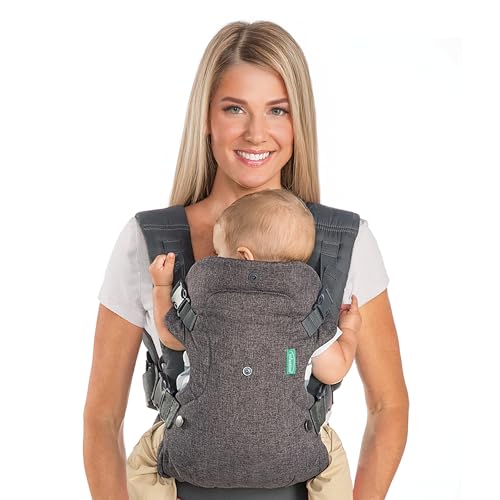
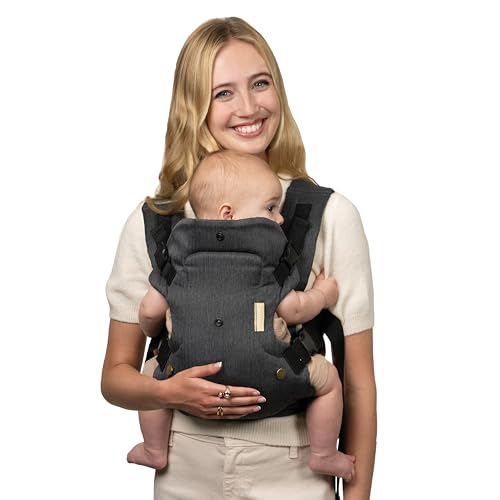
A great example of these priorities is the Infantino Flip 4-in-1 Carrier, which uses soft, breathable fabric to maintain comfort and durability for babies and caregivers alike.
These fabric types not only cradle your newborn with tender softness but also support their sensitive skin needs.
By prioritizing gentle, high-quality materials, you create a nurturing environment that fosters closeness and well-being for your baby.
Breathable Materials Importance
When your newborn spends hours close to your body, breathable materials become essential to keeping them comfortable and safe.
These fabrics, like Tencel modal in the Solly Baby Wrap or lightweight linen in the Wildbird Aerial Carrier, promote airflow that prevents overheating.
By supporting your baby’s natural temperature regulation, breathable materials maintain an ideal microclimate, ensuring lasting comfort during extended wear. Advanced mesh technology used in carriers like the BabyBjörn Harmony also enhances airflow, further reducing sweat and discomfort during warm weather.
Choosing carriers made from Oeko-Tex 100 certified materials, such as the Ergobaby Embrace, further guarantees a safe environment free from harmful substances.
You’ll appreciate how breathable fabrics protect your baby’s delicate skin while providing the comfort they need to thrive.
Prioritizing breathable materials in your baby carrier choice is a crucial step to nurturing your newborn’s well-being every day.
Moisture-Wicking Properties
Although breathable materials help regulate temperature, moisture-wicking properties take newborn comfort a step further by managing sweat and humidity during wear. When you choose baby carriers with moisture-wicking properties, you guarantee your little one stays dry and comfortable throughout your time together.
Consider these benefits:
- Keeps newborn skin dry by pulling moisture away, preventing irritation.
- Enhances airflow with breathable fabrics like Tencel modal for cooler wear.
- Supports extended babywearing without overheating or discomfort.
- Mesh panels in carriers improve ventilation, ideal for active or warm environments.
- Some carriers, such as the Ergobaby Omni Deluxe, use SoftFlex Mesh that ensures exceptional breathability and comfort even during extended use.
Brands like Ergobaby Hug and LÍLLÉbaby All Seasons incorporate these features thoughtfully.
By selecting a carrier with moisture-wicking fabrics, you prioritize your newborn’s well-being and comfort, making every moment more enjoyable for both of you.
Ease of Use: Putting on and Taking off Baby Carriers
Mastering the ease of putting on and taking off a baby carrier can make a world of difference for busy parents.
Soft-structured carriers like the Baby Tula Free to Grow excel in ease of use with intuitive buckles and adjustable straps, letting you secure your newborn swiftly and confidently.
These carriers guarantee a snug fit without complicated wrapping techniques, saving time and reducing stress.
While wraps and ring slings offer versatility, they often require more practice to master the tying or threading, which might slow you down.
Models such as the Ergobaby Embrace and LÍLLÉbaby All Seasons combine clear instructions with user-friendly adjustments, giving you control over fit and security.
Choosing carriers designed with ease of use in mind empowers you to focus on what truly matters—caring for your newborn.
Comfort Considerations for Parents and Caregivers
You’ll want to pay close attention to strap design because well-padded, adjustable straps can make a huge difference in comfort during long wear.
Carriers that distribute your baby’s weight evenly help prevent back and shoulder strain, letting you carry with ease.
Prioritizing these features guarantees you stay comfortable, no matter how long you’re on the move.
Strap Design Impact
When you choose a baby carrier, the strap design plays an essential role in your comfort and ease of use.
Well-designed shoulder straps distribute your baby’s weight evenly, reducing strain on your shoulders and back. A good strap design also guarantees you can wear the carrier longer without discomfort.
Look for these key features:
- Padded shoulder straps that cushion pressure points for lasting comfort
- Adjustable straps to customize fit for your unique body shape
- Lumbar support pads to promote proper posture and ease back tension
- Breathable materials that improve airflow and keep you cool
Extended Wear Comfort
Because extended wear demands both your comfort and your baby’s well-being, choosing a carrier designed with ergonomic features becomes crucial. Carriers like the Ergobaby Omni 360 and LÍLLÉbaby All Seasons offer adjustable straps and padded waists, reducing strain on your shoulders and back during long outings. Soft fabrics in the Hope and Plum Lark provide gentle support, even during pregnancy. For warmer days, the Wildbird Aerial Carrier’s breathable material keeps you cool without compromising baby’s support. The X-shaped back design found in some options, like the Momcozy Baby Carrier, further enhances weight distribution and posture, supporting comfort during extended use. Meanwhile, wraps like the Solly Baby and Sakura Bloom Scout guarantee a snug, secure fit that comforts your newborn and encourages longer wearing times. Prioritizing extended wear comfort means you can focus on nurturing your baby with confidence and ease throughout your day.
Versatility: Carrying Positions Suitable for Newborns
Although selecting a baby carrier might seem straightforward, understanding the versatile carrying positions suitable for newborns is essential to guarantee both comfort and healthy development.
Choosing the right carrier means knowing versatile newborn positions for comfort and healthy growth.
You want a carrier that supports the “M position” for healthy hip growth and adapts as your little one grows. Consider these options:
- Wraps like the Solly Baby Wrap offer a snug, parent-facing position perfect for newborns up to 25 lbs.
- Soft-structured carriers such as the Ergobaby Hold provide secure, comforting holds.
- Ring slings allow easy adjustment between carrying positions to meet your newborn’s changing needs.
- Carriers like the Wildbird Aerial accommodate multiple parent sizes, ensuring comfort while supporting your newborn safely.
Choosing versatile carrying positions supports your baby’s well-being and strengthens your bond.
Nursing-Friendly Baby Carriers for On-the-Go Feeding
Versatile carrying positions not only support your newborn’s physical development but also set the stage for comfortable, on-the-go feeding.
Nursing-friendly baby carriers, like the Solly Baby Wrap and Wildbird Aerial Carrier, give you discreet access and privacy while securely holding your baby.
Ring slings stand out for their quick adjustability, letting you expose the breast easily while keeping your newborn well-supported.
Carriers such as the Sakura Bloom Scout offer adjustable features to fit various breastfeeding positions, ensuring comfort for both of you.
The LÍLLÉbaby All Seasons Carrier’s zippered panel helps regulate airflow during nursing, enhancing comfort.
Choosing these carriers fosters bonding and meets your newborn’s biological needs during the ‘4th trimester,’ making feeding convenient and nurturing wherever you go.
Weather Adaptability and Seasonal Considerations
When you choose a baby carrier that adapts to changing weather, you guarantee your newborn stays comfortable no matter the season.
Weather adaptability in baby carriers means you can confidently nurture your little one outdoors without worrying about temperature swings or humidity.
Opt for carriers with breathable options and versatile features that support year-round use.
Consider these key features:
- Zippered panels for airflow, like in the LÍLLÉbaby All Seasons Carrier, to regulate temperature.
- Lightweight, breathable fabrics found in wraps such as the Solly Baby Wrap, ideal for warmer months.
- Weather-resistant designs like the Amphibaby, perfect for wet or humid conditions.
- Multiple carrying positions in carriers like the Ergobaby Omni 360, allowing adjustments based on weather.
Choosing carriers with these attributes helps you protect and comfort your newborn through all seasons.
Design and Aesthetic Elements in Baby Carrier Choices
Because baby carriers are worn close to your body, their design and aesthetic elements play an essential role in your overall experience.
The design and aesthetics of baby carriers are key to both comfort and personal style.
You want a carrier that not only supports your newborn but also reflects your style and values. Brands like Solly Baby Wrap and Wildbird Aerial offer attractive prints and high-quality materials, blending design with comfort.
The Ergobaby Aura provides a snug fit with less stretchy fabric, available in various colors to suit your taste.
Hope and Plum impress with beautiful patterns and size inclusivity, while Baby Tula’s linen carriers deliver both style and practicality.
For a fashion-forward choice, the Kovi carrier combines ethical production with a design resembling a designer corset, ensuring your baby’s comfort without compromising your personal style.
Long-Term Use and Transitioning Beyond Newborn Stage
Although newborn carriers focus on early comfort and support, you’ll want one that grows with your baby to get the most value and convenience.
Choosing a carrier with a suitable weight limit guarantees long-term use, supporting your child through various stages.
Consider carriers that offer:
- Adjustable features to accommodate weight increases up to 60 pounds
- Multiple ergonomic carrying positions (front, back, hip) for evolving needs
- Hybrid designs that adapt from newborn to toddler stages seamlessly
- Durable materials that maintain comfort and safety over time
Frequently Asked Questions
Is It Good to Use a Baby Carrier for a Newborn?
Using a baby carrier for your newborn promotes bonding benefits through close contact, but you must address safety concerns by following guidelines like the TICKS rule to keep your baby secure, comfortable, and supported during every cuddle.
What Are One of the Major Benefits of Having an Infant Carrier?
You’ll enjoy a strong bonding experience with your newborn while benefiting from hands-free convenience. This lets you care deeply and stay productive, creating a nurturing environment that supports both you and your baby’s well-being effortlessly.
How to Choose a Baby Carrier for a Newborn?
Choosing a baby carrier is like weaving a protective cocoon. Prioritize safety features that support healthy hip positioning and breathable fabric options like Tencel. This guarantees your newborn’s comfort while you serve with confidence and care.
What Type of Carrier Is Good for a Newborn?
You’ll want a carrier with ergonomic design and safety features, like wraps or soft-structured carriers, to support your newborn’s hips and spine properly while ensuring comfort and secure, breathable positioning for both of you during close bonding.
Final Thoughts
Choosing the right baby carrier isn’t just a convenience—it’s a game-changer for you and your newborn’s well-being. With the perfect blend of safety, comfort, and style, these carriers transform everyday outings into nurturing adventures. They’re not just carriers; they’re your baby’s first, most essential companion, supporting healthy development and effortless bonding. Don’t settle for less—embrace the ultimate in babywearing and watch your parenting journey soar to extraordinary heights.
If you want to know other articles similar to Why Choose These Baby Carriers for Newborns? you can visit the Baby Carriers category.
Best Baby Carriers for C-Section Moms
What Are the Best Soft Structured Baby Carriers?

10 Best Affordable Baby Carriers Under $50

Best Baby Carriers for Breastfeeding On the Go

How to Choose the Best Baby Carrier for Back Support

Best Baby Carriers for Preemies and Small Babies

What Baby Carrier Fits Dads With Broad Shoulders?

5 Best Baby Carriers for Toddlers Over 30 Pounds

Why Choose Lightweight Baby Carriers for Travel?
This is also interesting