












How to Choose Eco-Friendly Baby Car Seat Materials

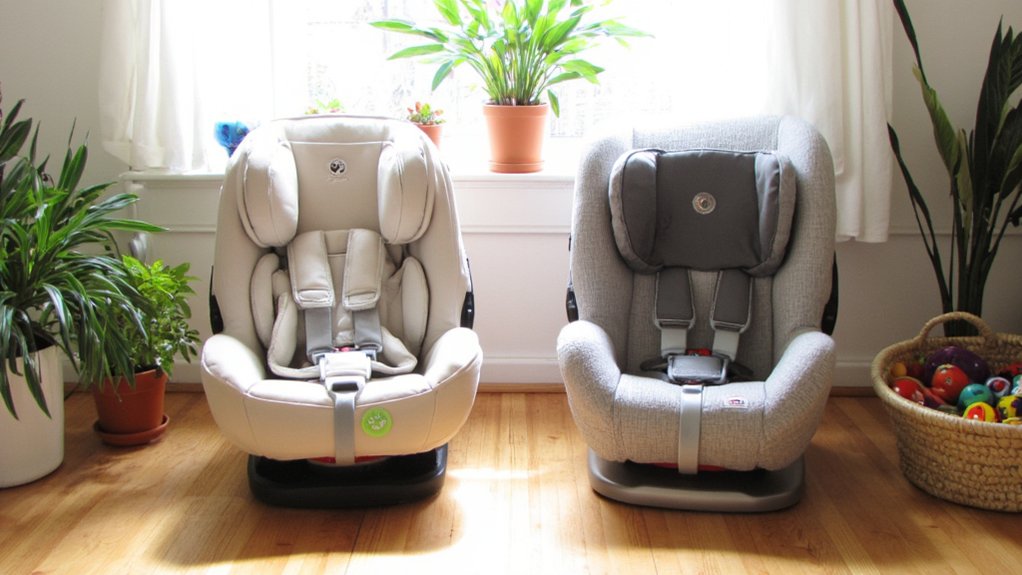
When choosing eco-friendly baby car seat materials, prioritize non-toxic, natural fibers like organic cotton and bamboo that are breathable and hypoallergenic. Look for certifications such as GREENGUARD Gold, Oeko-Tex, or JPMA to guarantee low chemical emissions and safety compliance. Avoid harmful chemicals like PFAs and flame retardants with toxic additives. Durable, sustainable fabrics not only protect your baby but also reduce environmental impact. Understanding these factors will help you make a safer, greener choice for your child’s car seat.
Table
- Main Points
- Importance of Choosing Eco-Friendly Materials for Baby Car Seats
- Key Safety Standards for Baby Car Seat Fabrics
- Benefits of Natural Fibers in Car Seat Fabrics
- Exploring Bamboo Fabric for Baby Car Seats
- Organic Cotton: A Sustainable Fabric Option
- Recycled Materials and Their Role in Eco-Friendly Car Seats
- Breathability and Comfort in Eco-Friendly Fabrics
- Chemical-Free Fabric Treatments and Their Advantages
- Durability and Maintenance of Sustainable Car Seat Fabrics
- Certifications to Look for in Eco-Friendly Baby Car Seat Materials
- Environmental Impact of Fabric Manufacturing Processes
- How to Identify and Avoid Harmful Chemicals in Car Seat Fabrics
- Frequently Asked Questions
- Final Thoughts
Main Points
- Prioritize natural fibers like organic cotton and bamboo for softness, breathability, and reduced chemical exposure.
- Choose materials free from toxic flame retardants, PFAs, and harmful chemicals, verified by certifications such as GREENGUARD Gold and Oeko-Tex.
- Confirm compliance with federal safety standards like FMVSS 302 and JPMA to ensure non-toxic, flame-retardant-free fabrics.
- Opt for fabrics that are durable, easy to clean, and moisture-wicking to maintain comfort and longevity.
- Research brand transparency, sustainable sourcing, and eco-friendly manufacturing practices for responsible purchasing.
Importance of Choosing Eco-Friendly Materials for Baby Car Seats
When you choose eco-friendly materials for baby car seats, you reduce your child's exposure to harmful chemicals like toxic flame retardants and PFAs, which have been linked to serious health risks such as cancer and hormone disruption. Many leading products also feature GREENGUARD Gold certified fabrics, echoing the rigorous standards found in top crib mattresses for low chemical emissions and safety. Opting for non-toxic, sustainable fabrics such as organic cotton not only supports child safety but also lessens environmental harm. These materials avoid chemical treatments while maintaining compliance with safety standards, ensuring your child’s protection without compromise. Many eco-friendly car seats carry GREENGUARD Gold certified labels, confirming low chemical emissions and a commitment to healthier air quality. By selecting these safer options, you serve both your child’s health and the planet, promoting a safer, more sustainable future through informed, responsible choices.
Key Safety Standards for Baby Car Seat Fabrics
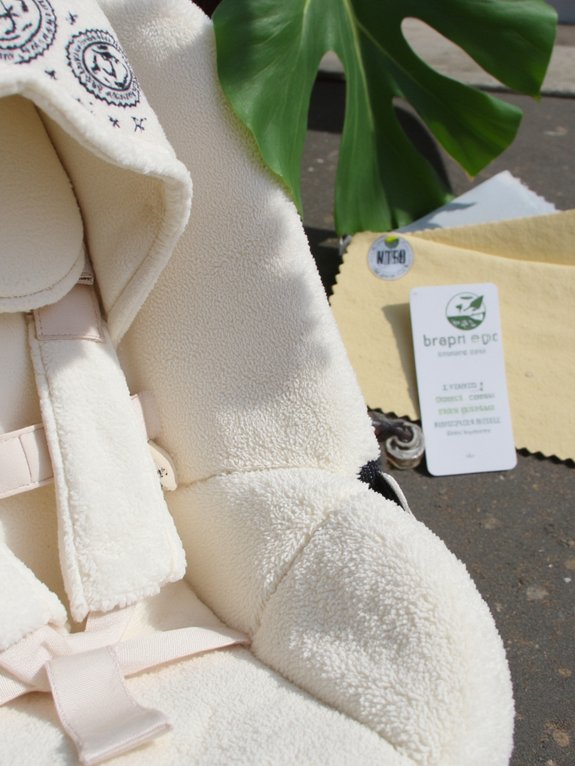
Although selecting eco-friendly materials is essential, you also need to confirm that baby car seat fabrics meet strict safety standards.
To guarantee a safe car seat, look for compliance with federal flammability regulations like FMVSS 302, which prevents fabrics from igniting easily.
Ensure your baby car seat meets FMVSS 302 to prevent fabric ignition and keep your child safe.
Certifications such as GREENGUARD Gold assure low chemical emissions, supporting healthier indoor air quality.
Prioritize non-toxic car seats that meet Juvenile Products Manufacturers Association (JPMA) standards, confirming they’re free from harmful substances and safe for your infant car seat. Many of the best baby car seats of 2025 are designed to exceed these safety standards while offering comfort and sustainability.
Many eco-friendly options use organic cotton or merino wool, naturally flame-resistant without adding chemical flame retardants.
Using recycled fabrics not only supports sustainability but also aligns with safety standards, helping you choose a safe, eco-friendly baby car seat that protects both your child and the environment.
Benefits of Natural Fibers in Car Seat Fabrics

Because natural fibers like organic cotton and merino wool are free from harmful chemicals, they offer a safer environment for your baby by reducing the risk of skin irritation and allergic reactions. Choosing natural fibers means your baby stays comfortable through breathable fabrics that prevent overheating. These materials are biodegradable, supporting environmental sustainability by reducing waste. Plus, their inherent flame retardant-free qualities meet safety standards without toxic additives. Durable natural fibers also extend the car seat’s life, ensuring lasting protection.
| Benefit | Material | Impact on Baby & Earth |
|---|---|---|
| Safer for skin | Organic Cotton | Reduces irritation & allergies |
| Breathability | Merino Wool | Prevents overheating |
| Eco-friendly disposal | Natural Fibers | Biodegradable, sustainable |
| Chemical-free safety | Both | Flame retardant-free protection |
Exploring Bamboo Fabric for Baby Car Seats
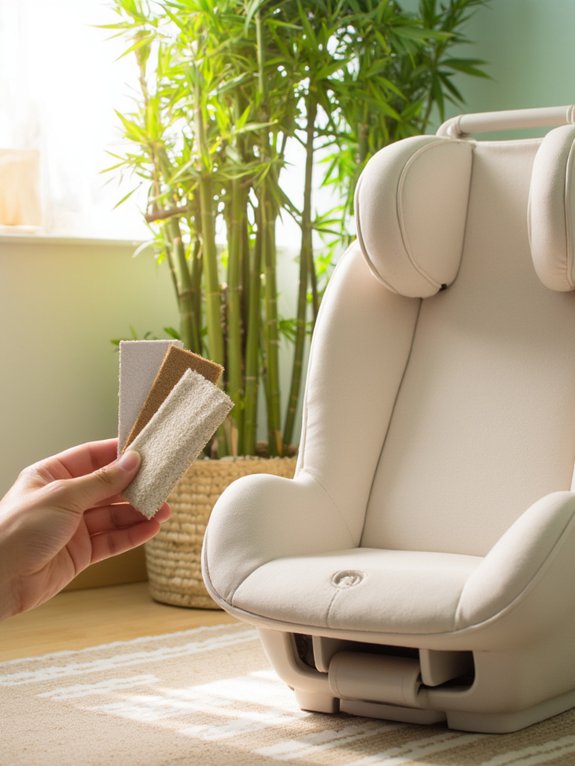
You’ll appreciate how bamboo fabric combines softness and breathability, keeping your baby comfortable and cool during every car ride.
Its natural strength and safety make it a reliable choice for long-lasting, eco-friendly car seat materials.
Choosing bamboo helps you support sustainable practices without compromising on quality or protection.
Benefits of Bamboo Fabric
When selecting materials for a baby car seat, bamboo fabric stands out for its combination of comfort and sustainability.
You’ll appreciate its natural softness, which is gentle on infants’ delicate skin and reduces irritation during trips.
Bamboo fabric’s breathability guarantees excellent air circulation, helping to prevent overheating in various climates.
From an eco-friendliness perspective, bamboo grows rapidly with minimal water and pesticide use, making it a renewable resource.
Furthermore, its biodegradable nature lessens environmental impact when the car seat is eventually discarded.
Bamboo’s hypoallergenic properties also make it ideal for babies with sensitive skin, providing a safer, more comfortable experience.
Choosing bamboo fabric supports both your commitment to your child’s well-being and responsible stewardship of the planet.
Bamboo Fabric Safety
Although safety is the top priority for any baby car seat material, bamboo fabric offers a compelling blend of protection and comfort. You’ll appreciate how its natural antibacterial properties help maintain a cleaner, healthier environment for your baby.
Bamboo fabric is soft and gentle, reducing irritation risks, while its breathable nature guarantees proper air circulation, preventing overheating during car rides.
Beyond comfort, bamboo’s environmentally friendly credentials stand out—it’s a rapidly renewable resource that requires minimal water and is fully biodegradable, minimizing environmental impact.
Choosing bamboo fabric means you’re not only prioritizing your baby’s safety and comfort but also supporting sustainable parenting. This thoughtful material choice serves both your child and the planet, making it a smart, responsible solution for eco-conscious caregivers.
Organic Cotton: A Sustainable Fabric Option
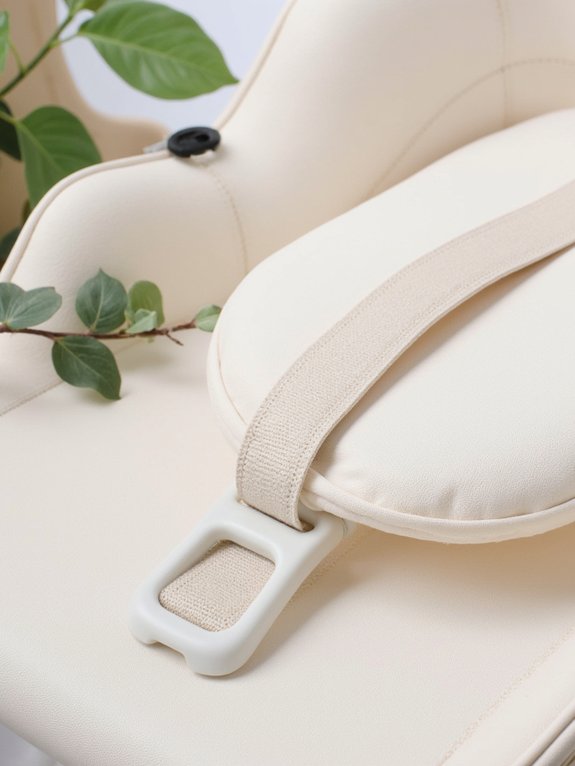
Since your baby’s comfort and safety are top priorities, choosing organic cotton for car seat materials offers a smart solution.
Organic cotton is eco-friendly and sustainable, grown without synthetic pesticides or fertilizers, which eliminates exposure to harmful chemicals and protects your child’s sensitive skin. This fabric is soft, breathable, and hypoallergenic, making it ideal for infant use by reducing irritation risks.
Additionally, organic cotton production uses less water than conventional cotton farming, supporting sustainable water management. By selecting certified organic cotton, you guarantee the materials meet strict safety standards and promote healthier ecosystems through sustainable agriculture.
Choosing organic cotton not only safeguards your baby but also contributes to environmental stewardship, making it a responsible and caring choice for eco-conscious parents.
Recycled Materials and Their Role in Eco-Friendly Car Seats
By choosing car seats made with recycled materials, you actively reduce waste and lower the environmental impact of manufacturing.
Using recycled polyester fabrics and other recycled materials helps repurpose plastics and textiles, minimizing the demand for new resources. This approach considerably decreases the carbon footprint since recycling consumes less energy than producing raw materials.
Importantly, eco-friendly car seats crafted with recycled components meet or even exceed safety standards, so you don’t have to compromise on safety while prioritizing sustainability.
Eco-friendly car seats with recycled materials exceed safety standards without compromising sustainability.
Many brands now incorporate recycled content, reflecting a commitment to both environmental responsibility and child protection.
When you opt for these products, you support a circular economy and contribute meaningfully to reducing pollution and resource depletion.
Breathability and Comfort in Eco-Friendly Fabrics
When choosing eco-friendly baby car seat materials, you’ll want to focus on fabrics that promote breathability to keep your little one cool and comfortable.
Textiles like bamboo and organic cotton naturally enhance airflow and reduce irritation, while moisture-wicking properties help manage sweat during long trips.
Prioritizing these comfort-enhancing features guarantees your baby stays dry, cozy, and safe throughout every ride.
Fabric Breathability Factors
Many eco-friendly fabrics prioritize breathability to guarantee your baby stays comfortable and cool during car rides.
When choosing materials for eco-friendly car seats, focus on fabrics that enhance air circulation, like bamboo and organic cotton, which prevent overheating.
Merino wool stands out by naturally wicking moisture and regulating temperature, boosting comfort considerably.
Polyester blends can also offer breathability while resisting shrinking and wrinkling, maintaining a soft fit over time.
Selecting fabrics with high breathability ratings reduces irritation risks on sensitive skin—crucial for infants spending long periods in car seats.
By understanding these fabric breathability factors, you guarantee your baby’s comfort and safety, creating a healthier, cooler environment that supports their well-being on every journey.
Comfort Enhancing Textiles
Choosing comfort-enhancing textiles for your eco-friendly baby car seat means prioritizing fabrics that balance breathability with softness. Organic cotton stands out for its hypoallergenic properties and gentle touch, ensuring maximum comfort for your infant’s delicate skin. Bamboo fabrics naturally boost breathability, promoting air circulation to prevent overheating during rides. You can also consider recycled polyester, which offers durability and lightweight strength without compromising comfort. Fabrics treated specifically for breathability reduce moisture buildup, creating a dry and pleasant environment for your child. By selecting these eco-friendly materials, you not only protect the planet but also provide superior comfort in infant car seats. This thoughtful choice helps minimize skin irritation and supports your baby’s well-being on every journey.
Chemical-Free Fabric Treatments and Their Advantages
Since infants are especially vulnerable to harmful substances, opting for chemical-free fabric treatments in baby car seats can drastically reduce exposure to toxins like flame retardants and PFAs.
By choosing non-toxic fabric treatments and naturally flame-resistant fibers such as wool, you eliminate the need for chemical flame retardants that pose health risks.
Eco-friendly materials like bamboo and recycled polyester further support sustainable parenting practices by minimizing environmental impact without sacrificing comfort or durability.
Certified chemical-free treatments, verified by standards like Oeko-Tex or GREENGUARD, guarantee low chemical off-gassing, promoting safer air quality during travel.
Embracing these safer options not only protects your child’s health but also encourages manufacturers to prioritize eco-friendly materials and responsible production methods, aligning with your commitment to sustainable parenting.
Durability and Maintenance of Sustainable Car Seat Fabrics
While evaluating sustainable car seat fabrics, you’ll find that materials like bamboo and organic cotton offer impressive durability without compromising softness for your infant.
These eco-friendly fabrics resist wear and tear from frequent use, guaranteeing lasting comfort and protection. To maintain their durability, choose fabrics treated for easy cleaning, which helps preserve safety standards over time.
High-performance polyester blends also provide lightweight strength and resist wrinkling, simplifying maintenance for busy caregivers. Additionally, recycled fabrics maintain quality while supporting eco-conscious choices.
Regular testing guarantees all sustainable car seat fabrics remain safe for infant use throughout the seat’s lifespan. By selecting durable, easy-to-maintain materials, you protect your child and contribute to a greener future.
Certifications to Look for in Eco-Friendly Baby Car Seat Materials
Before you invest in an eco-friendly baby car seat, you’ll want to check for key certifications that verify both safety and environmental responsibility.
Check essential certifications to ensure your eco-friendly baby car seat is both safe and environmentally responsible.
Look for GREENGUARD Gold Certification, which guarantees low chemical emissions, creating a healthier environment for your baby.
Oeko-Tex Standard 100 assures materials free from harmful substances, protecting sensitive skin.
JPMA Certification confirms the car seat meets strict safety standards.
California Prop 65 Compliance reassures you that no cancer-causing or reproductive toxins are present.
Also, consider sustainability certifications like FSC, which verify that wood or fibers come from responsibly managed forests.
Prioritize flame retardant-free car seats as they reduce exposure to harmful chemicals.
These certifications help you choose safe, sustainable materials, supporting your commitment to protecting both your child and the planet.
Environmental Impact of Fabric Manufacturing Processes
Although fabric choices might seem straightforward, the manufacturing processes behind them have a significant environmental impact you should consider.
Conventional fabrics often rely on toxic chemicals and dyes that pollute waterways and degrade ecosystems. Polyester production, a common synthetic material, emits substantial greenhouse gases, contributing 2-3% of global carbon emissions. Some manufacturers are now adopting GREENGUARD Gold standards to ensure low chemical emissions and create a healthier environment for children.
Choosing organic fabrics like cotton or bamboo reduces water use and avoids harmful pesticides, lessening environmental harm during cultivation and processing. Look for certifications such as GOTS, which guarantee sustainable practices and responsible production.
Additionally, opting for recycled materials supports a circular economy, cutting waste and reducing demand for virgin resources.
By prioritizing these factors, you help protect the planet while providing safe, eco-friendly baby car seat materials that align with your commitment to serving others sustainably.
How to Identify and Avoid Harmful Chemicals in Car Seat Fabrics
Choosing eco-friendly fabrics is a great start, but you also need to be vigilant about harmful chemicals hidden in car seat materials. When selecting car seats made with organic materials, prioritize those labeled flame retardant free and certified for chemical safety. Avoid fabrics treated with flame retardants, which often contain hazardous substances like PFAs and halogenated compounds. Look for certifications such as GREENGUARD Gold or Oeko-Tex Standard 100 to guarantee low chemical emissions. Always research manufacturer transparency to confirm their commitment to safe, sustainable fabrics.
| Harmful Chemical | Common Source |
|---|---|
| PFAs | Non-stick treatments |
| Halogenated flame retardants | Flame retardants |
| Formaldehyde | Adhesives, finishes |
| Phthalates | Plasticizers |
| Heavy metals | Dyes, pigments |
Choosing wisely protects your baby and supports healthier environments.
Frequently Asked Questions
What Is the Most Non Toxic Car Seat?
You’ll find the most non toxic car seat by choosing safe brands like Nuna or Clek, which use non toxic materials and organic fabrics. Prioritize car seat safety and baby health with these eco friendly options.
Which Car Seats Are Greenguard Certified?
When you compare car seat brands like Clek, you'll see they pass the Greenguard certification process, using eco-friendly materials. This guarantees better air quality, meets strict safety standards, and highlights the benefits of certifications for your child’s health.
What Is the 2 Hour Car Seat Rule?
You should limit car seat duration to under 2 hours, following pediatric recommendations and infant safety guidelines. Prioritize car seat comfort and take travel tips seriously to meet car seat regulations and guarantee your baby's well-being.
Should You Get a Flame Retardant Free Car Seat?
You should get a flame retardant-free infant car seat using sustainable materials. These alternatives meet safety standards, reduce environmental impact, and support baby gear recycling, helping you protect your child’s health while promoting eco-friendly, responsible parenting.
Final Thoughts
Choosing eco-friendly baby car seat materials isn’t just a nice-to-have—it’s practically saving the planet one tiny passenger at a time. By opting for natural fibers like bamboo or organic cotton, you drastically cut down harmful chemicals and environmental damage. Don’t settle for less; prioritize certifications and durability to keep your baby safe and the Earth happier. Your choice today can rewrite the future of fabric manufacturing—making it cleaner, greener, and infinitely kinder.
If you want to know other articles similar to How to Choose Eco-Friendly Baby Car Seat Materials you can visit the Baby Car Seats category.
What Are the Best Baby Car Seats for Small Cars?
Why Choose Baby Car Seats Under $100?
How to Use Rotating Baby Car Seats Safely

Why Choose FAA Approved Car Seats for Airplanes?

10 Tips for Choosing the Best Convertible Car Seat

10 Tips for Rear Facing Car Seat Installation

What Are the Easiest Baby Car Seat Covers to Clean?

10 Tips for Choosing High Weight Limit Car Seats
Top 3 Baby Car Seats Compatible With Strollers
This is also interesting