


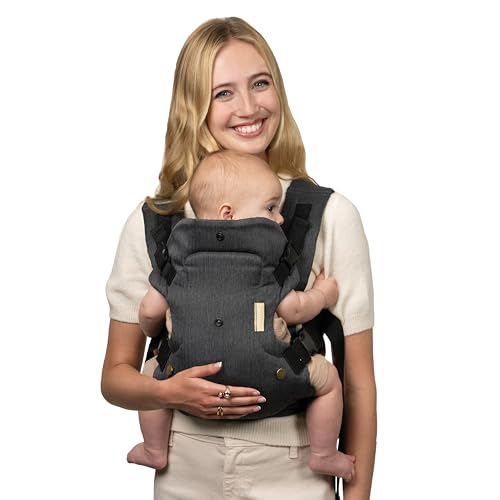


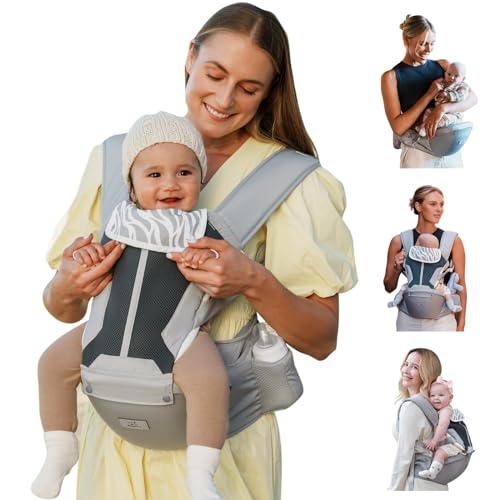


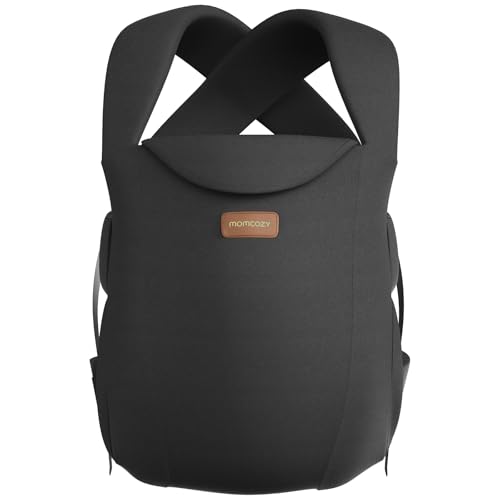


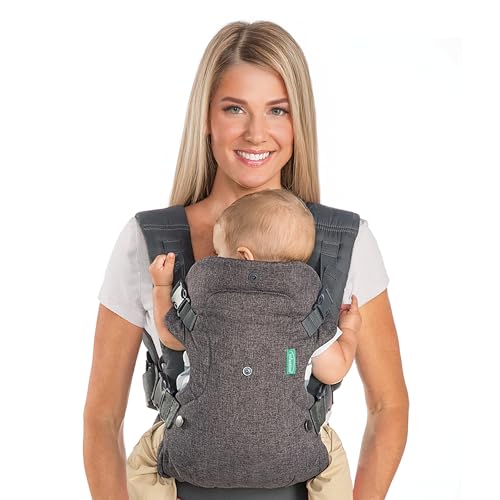








What Are the Best Soft Structured Baby Carriers?


You want a soft structured baby carrier that’s safe, comfy, and easy to use from newborn to toddler. Look for adjustable straps and weight support up to 45 pounds to grow with your child. Prioritize carriers certified for hip health and made from breathable fabrics to keep both of you comfortable. Features like nursing access and multiple carrying positions add convenience. Exploring these factors will help you find just the right fit and lasting value for your family.
Table
- Main Points
- Key Features to Consider in Soft Structured Baby Carriers
- Safety Standards and Hip Health Certifications
- Comfort and Fit for Parents and Babies
- Ease of Use and Adjustability
- Materials and Breathability for Different Climates
- Weight Limits and Longevity of Use
- Nursing and Accessibility Benefits
- Price Range and Value Comparisons
- Frequently Asked Questions
- Final Thoughts
Main Points
- Choose carriers with adjustable straps and padded support for maximum comfort and reduced parent strain, like the Tula Free-to-Grow or Ergobaby models.
- Prioritize carriers that meet safety standards and have International Hip Dysplasia Institute certification for healthy baby hip development.
- Opt for versatile carriers offering multiple carrying positions (front, back, hip) to grow with your baby from infancy to toddlerhood.
- Look for breathable, soft materials and features like nursing accessibility and privacy flaps for ease and comfort during extended wear.
- Balance price and features by considering options like Tula Free-to-Grow for premium features or Momcozy for budget-friendly versatility.
Key Features to Consider in Soft Structured Baby Carriers
When choosing a soft structured baby carrier, you'll want to focus on a few essential features that guarantee comfort and safety for both you and your little one.
Soft-structured carriers with adjustable straps and padded shoulder support assure a snug fit, easing strain on your back and shoulders.
Adjustable straps and padded shoulders provide a secure, comfortable fit that reduces back and shoulder strain.
Consider the weight limit carefully; most carriers support from 7 to 45 pounds, letting you use them as your baby grows.
Multiple carrying positions—front, back, and hip—offer versatility to meet your baby’s developmental needs and your comfort preferences.
Prioritize safety features like secure buckles and adjustable leg openings to keep your baby properly positioned.
Finally, breathable materials such as cotton or mesh improve airflow, helping both of you stay cool and comfortable during longer wear.
Safety Standards and Hip Health Certifications

Assuring your soft structured baby carrier meets established safety standards gives you confidence that both you and your baby stay protected during use.
Look for carriers compliant with the Consumer Product Safety Improvement Act and ASTM International, as these safety standards guarantee durable materials and secure construction.
Equally important are hip health certifications from the International Hip Dysplasia Institute, which confirm the carrier supports healthy hip development.
Soft structured carriers with adjustable features help maintain your baby’s legs in the recommended M position, reducing hip strain.
Always check for labels or documentation from trusted brands to verify these certifications.
Regularly inspect your carrier for wear, since any damage can compromise safety and hip support.
Prioritizing these factors assures you serve your baby’s well-being with the best possible protection.
Comfort and Fit for Parents and Babies
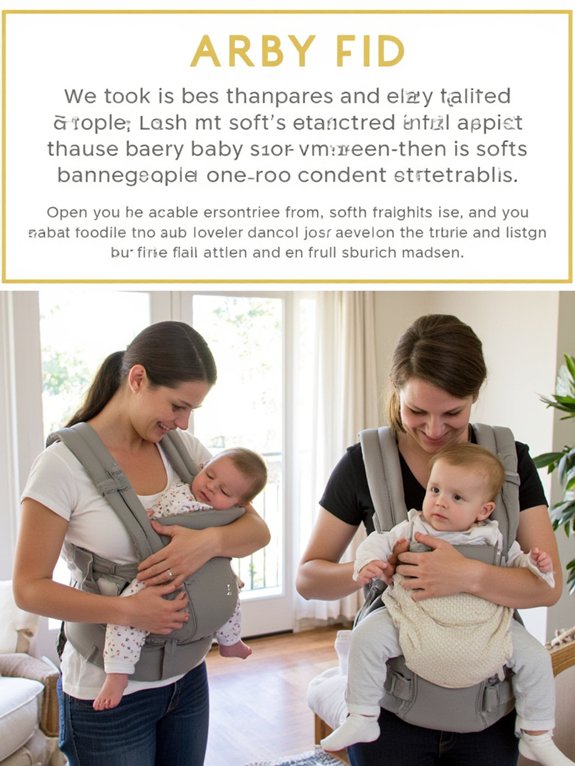
Because you’ll likely wear your soft structured baby carrier for hours at a time, comfort and fit are essential for both you and your baby.
Look for carriers with adjustable padded shoulder straps and supportive waistbands to evenly distribute weight, reducing strain during extended wear. A proper fit guarantees your baby’s head is well-supported without restricting movement, while the adjustable seat width promotes the healthy hip development by maintaining the M position for their legs.
Breathable materials in some structured carriers also enhance comfort by regulating airflow, keeping your baby cozy in various climates.
Prioritizing these features lets you serve your baby with ease and care, fostering a secure, comfortable connection that benefits you both throughout your parenting journey.
Ease of Use and Adjustability
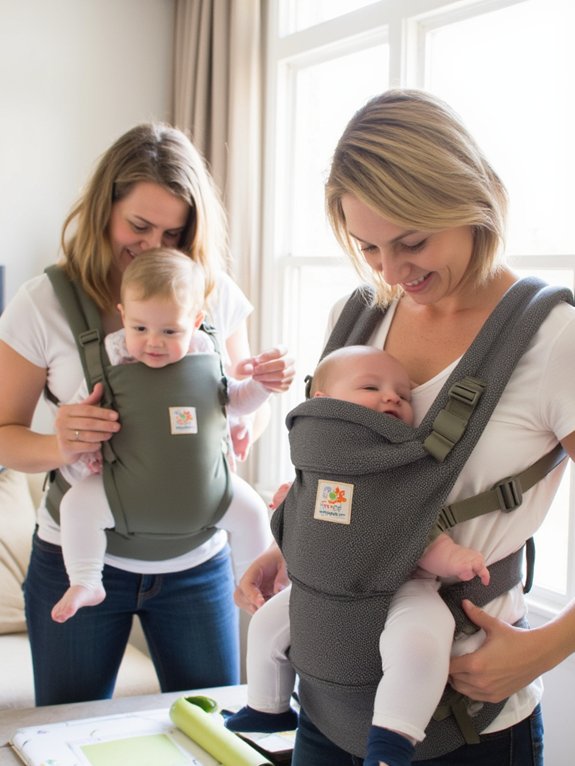
You’ll appreciate carriers with simple buckle systems that make putting on and taking off quick and hassle-free.
Adjustable straps guarantee you can customize the fit perfectly for both you and your baby, enhancing comfort during wear.
These features combine to give you easy access and seamless changes between carrying positions throughout your day.
For added versatility, some carriers offer multiple wearing options such as front inward, front outward, hip, and back carries to adapt to your needs as your baby grows.
Simple Buckle Systems
Three key features make soft structured baby carriers with simple buckle systems stand out: ease of use, quick adjustability, and safety.
When you choose carriers with simple buckle systems, you get a user-friendly design that makes putting on and taking off the carrier hassle-free. These carriers often include adjustable straps that fit various body types comfortably. Many of these carriers also feature ergonomic design that supports both the caregiver’s and baby’s posture, reducing fatigue during extended use.
Plus, quick-release buckles allow you to secure or remove your baby swiftly, adding peace of mind.
Here’s why simple buckle systems matter:
- Easy to use—even when your hands are full
- Adjustable straps provide a customized, secure fit
- Quick-release buckles guarantee fast, safe removal
- Multiple positions support your baby’s comfort and growth
Soft structured carriers with these features help you care effortlessly and confidently.
Adjustable Strap Features
When you choose a soft structured baby carrier with adjustable straps, you gain the ability to tailor the fit to your body and your baby’s needs.
These adjustable straps allow you to achieve proper positioning, ensuring your baby stays comfortable and supported.
Thanks to the ergonomic design, soft structured carriers distribute your baby’s weight evenly across your shoulders and hips, reducing strain during long wear.
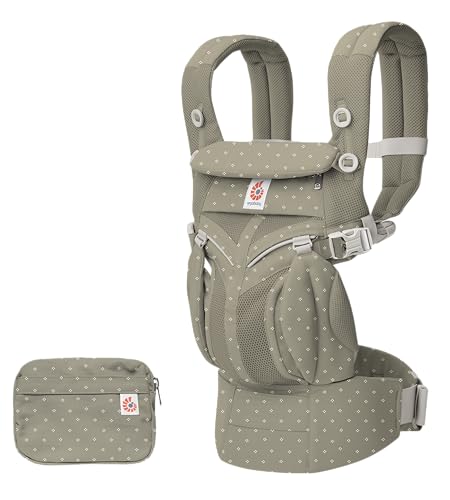
Many models, like the Ergobaby Omni 360, offer multiple carrying positions that adapt as your baby grows, while others, such as the Tula Free-to-Grow, feature adjustable seat widths for ideal ergonomic support.
Padded straps enhance comfort and make adjustments simple, so you can focus on nurturing your little one with ease and confidence.
Quick On-Off Access
Adjustable straps not only help customize the fit but also make getting your baby in and out of the carrier faster and easier.
When you choose a soft structured carrier designed for quick on-off access, you’ll appreciate how effortless it's to secure and release your little one.
Look for these features:
- Easy to put on buckles and straps for swift front carry positioning.
- Quick adjustments that accommodate your baby's growth without hassle.
- Adjustable seat width for comfort and support on the go.
- Convenient storage options to keep essentials handy during changes.
These thoughtful designs reduce stress and let you focus on bonding with your baby, making every outing smoother and more joyful.
Materials and Breathability for Different Climates
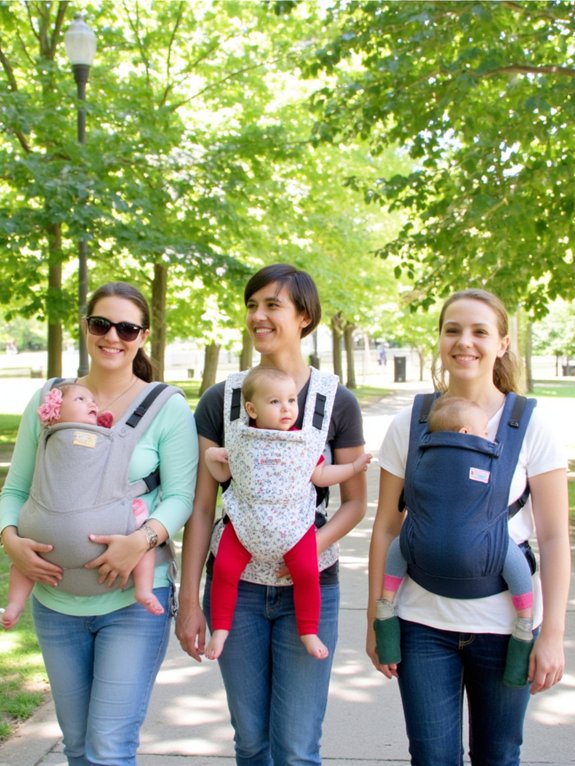
Choosing the right material for your soft structured baby carrier can make a world of difference in comfort for both you and your little one, especially when considering the climate you live in.
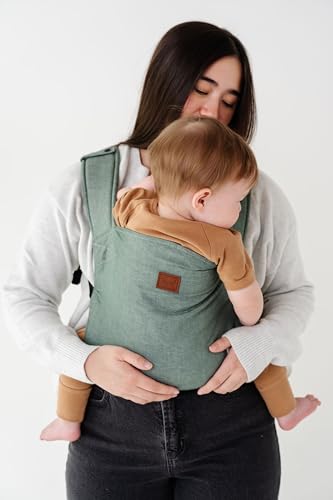
Materials like cotton and linen offer excellent breathability and moisture-wicking properties, keeping your baby cool in warm weather. Linen carriers, such as those from Baby Tula, are particularly effective for humid climates.
For cooler temperatures, thicker cotton blends provide warmth while still allowing some airflow. Look for carriers with adjustable panels and zippered sections to enhance temperature control, letting you adapt the breathability as the seasons change.
Prioritizing these features guarantees you serve your child’s comfort and health, no matter where you are.
Weight Limits and Longevity of Use
Beyond material and breathability, understanding the weight limits and longevity of your soft structured baby carrier confirms you get the most value and comfort over time.
When choosing a carrier, consider these key points:
- Weight limits typically range from 7 to 45 pounds, supporting infants through toddlerhood.
- Higher weight limits, like the Tula Free-to-Grow’s 7–45 pounds, offer excellent versatility and long-term use.
- Some carriers, such as the Ergobaby Cuddle, with lower limits (7–25 pounds), may suit smaller infants but limit longevity.
- Multiple carrying positions enhance adaptability as your child grows, improving both comfort and usability.
Selecting a carrier with suitable weight limits and versatile positioning confirms you serve your child’s needs effectively from newborn to toddler stages.
Nursing and Accessibility Benefits
You'll appreciate how soft structured carriers offer easy nursing access with adjustable straps that let you position your baby comfortably for discreet feeding.
Many models also provide multiple carrying positions, like front-inward and hip carry, so you can nurse wherever you are.
These thoughtful features make breastfeeding smoother and more convenient, especially when you're on the go.
Easy Nursing Access
How can you make nursing on-the-go easier and more comfortable for both you and your baby?
Soft structured carriers like the Ergobaby Omni offer quick nursing access, letting you breastfeed discreetly without removing the carrier.
These carriers support a natural breastfeeding position, ensuring your baby maintains a proper latch while you stay comfortable. With features like UPF baby hood, you can nurse with added privacy and sun protection during your outdoor adventures.
Here’s how they help:
- Adjustable straps and panels provide easy access for breastfeeding anytime.
- Supportive designs keep both you and your baby in a comfortable position.
- Added nursing flaps offer privacy while maintaining secure positioning.
- Convenient pockets hold nursing essentials, so you’re always prepared.
Choosing a carrier with these features means you can confidently nurture your little one, knowing you both have the comfort and support needed for successful breastfeeding.
Adjustable Carrying Positions
When you need flexibility and ease of access, soft structured carriers with adjustable carrying positions become invaluable.
These carriers let you switch between front-facing, hip, and back carries, providing comfort and accessibility tailored to your and your baby’s needs.
You can discreetly feed your little one on-the-go, thanks to adjustable straps designed for nursing, so you don’t miss a moment.
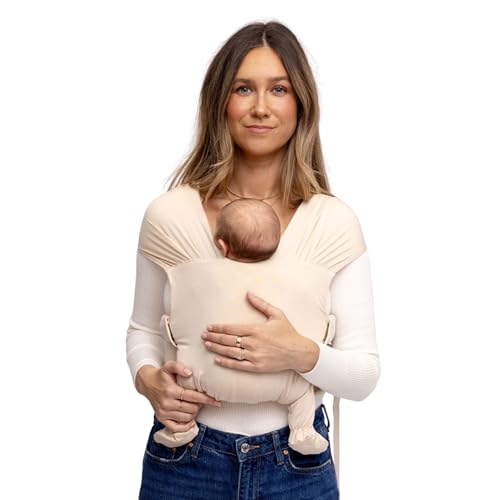
With the ability to reposition the baby easily, you maintain close interaction while managing daily tasks efficiently. Many of these carriers, like the Cozy Baby Wrap Carrier, use ergonomic X-shaped back support to reduce strain and allow for longer, more comfortable wear.
Many carriers offer lumbar support, ensuring you stay comfortable during extended wear.
The adjustable nature of soft structured carriers guarantees a comfortable fit for both you and your baby, adapting as your child grows and your needs change, making caregiving smoother and more nurturing.
Price Range and Value Comparisons
Although soft structured baby carriers come in a wide price range, finding one that balances cost with features is essential for new parents.
When considering price range and value comparisons, think about adjustable features, weight capacity, and ease of care.
Here’s a quick guide:
- Tula Free-to-Grow ($219) – Offers excellent value with adjustable features and a storage pouch, supporting 7-45 lbs.
- Ergobaby Cuddle ($90) – A budget-friendly option perfect for newborns up to 25 lbs.
- BabyBjorn One ($200) – Supports multiple carrying positions with adjustable seat width but less machine-washable.
- Momcozy Baby Carrier ($50) – Affordable with good weight capacity but lacks adjustable features.
Choose a carrier that fits your budget while meeting your baby’s needs.
Frequently Asked Questions
What Is a Soft-Structured Baby Carrier?
A soft-structured baby carrier combines padded straps and breathable fabrics, ensuring comfort and safety for you and your baby. It suits various ages, follows safety standards, offers versatile usage techniques, and requires simple maintenance for lasting benefits.
What Is the Best Baby Carrier That Doesn't Hurt the Back?
Imagine cradling your baby effortlessly, thanks to ergonomic design, padded straps, and lumbar support. With adjustable sizing and even weight distribution, you’ll enjoy long-term use. User reviews praise comfort, perfect for caregivers serving with love.
What Is the Best Baby Carrier on the Market?
You’ll find the best baby carrier reviews highlight ergonomic, versatile, and lightweight options like Tula and Ergobaby. For budget-friendly, stylish baby carriers, explore Momcozy. Use baby carrier comparisons to match your needs perfectly.
Which Baby Carriers Are Hip-Healthy?
You’ll want hip healthy carriers with ergonomic design that guarantee proper positioning, supporting your infant’s hips and knees. Look for adjustable features meeting pediatric recommendations to enjoy babywearing benefits while prioritizing infant support and comfort.
Final Thoughts
Choosing the best soft structured baby carrier means balancing safety, comfort, and ease of use. Did you know that 90% of parents say a carrier boosts bonding and reduces crying? With features like ergonomic support, breathable materials, and adjustable fits, you’ll find one that grows with your baby and suits your lifestyle. Investing in the right carrier not only keeps your little one safe but also makes your parenting journey smoother and more enjoyable.
If you want to know other articles similar to What Are the Best Soft Structured Baby Carriers? you can visit the Baby Carriers category.
Best Baby Carriers for C-Section Moms
10 Best Affordable Baby Carriers Under $50

Best Baby Carriers for Breastfeeding On the Go

How to Choose the Best Baby Carrier for Back Support

Best Baby Carriers for Preemies and Small Babies

What Baby Carrier Fits Dads With Broad Shoulders?

5 Best Baby Carriers for Toddlers Over 30 Pounds

Why Choose Lightweight Baby Carriers for Travel?

10 Best Baby Carriers for Hot Weather
This is also interesting