





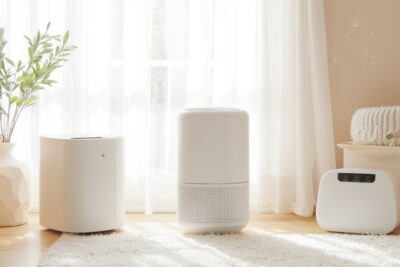
Why Are Air Purifiers Safe for Infants?

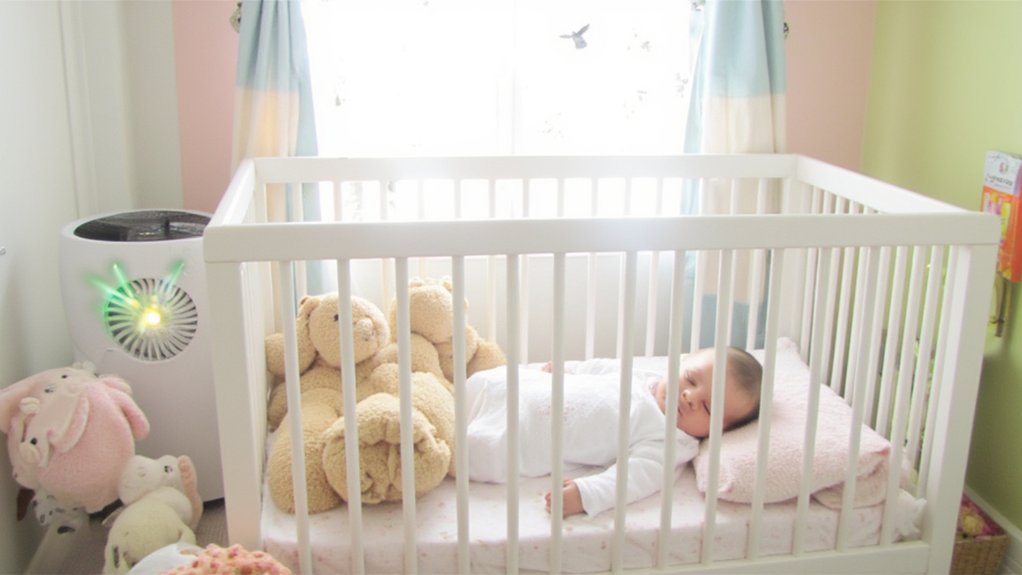
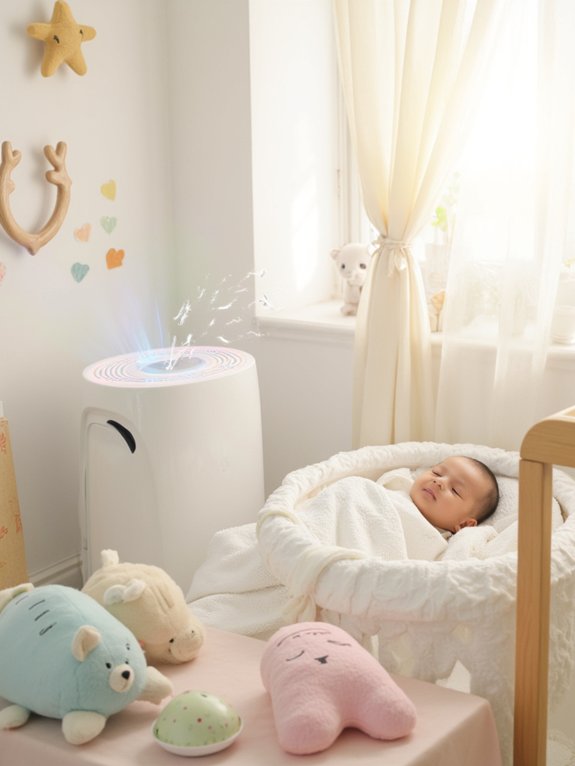
You can trust air purifiers around infants because they use true HEPA filters to capture harmful particles without releasing dangerous ozone or loud noises. This creates a cleaner, safer breathing space that supports your baby’s delicate lungs and reduces allergy risks. With quiet, childproof designs, they suit nursery use perfectly. Plus, they help minimize indoor pollutants that infants are especially sensitive to. Keep exploring to discover how to maximize your baby’s healthy environment.
Table
- Main Points
- How Air Purifiers Improve Indoor Air Quality for Babies
- Key Features of Safe Air Purifiers for Infant Rooms
- Addressing Babies’ Unique Respiratory Needs With Clean Air
- Important Safety Tips When Using Air Purifiers Around Infants
- Creating a Healthy Nursery Environment Beyond Air Purification
- Frequently Asked Questions
- Final Thoughts
Main Points
- True HEPA filters in air purifiers capture 99.97% of harmful airborne particles, protecting infants' sensitive lungs.
- Air purifiers operate quietly, minimizing noise to support undisturbed infant sleep.
- Childproof designs and hidden cords prevent accidents in nurseries with crawling babies.
- Avoiding ozone-producing purifiers ensures safe, non-toxic air for infants' developing respiratory systems.
- Clean air from purifiers reduces allergens and pollutants, lowering infants' risk of respiratory issues and promoting healthy growth.
How Air Purifiers Improve Indoor Air Quality for Babies
Three key ways air purifiers improve indoor air quality for babies involve capturing airborne particles, reducing allergens, and eliminating harmful chemicals.
When you use air purifiers equipped with HEPA filters, you remove at least 99.97% of dust, pollen, and pet dander from the air. This makes a huge difference because infants have smaller lungs and breathe faster, making them more vulnerable to indoor air pollution. Many modern purifiers also operate at quiet noise levels to help maintain a peaceful sleep environment for babies.
By cutting down common allergens and harmful pollutants like volatile organic compounds from furniture or cleaning products, you create a safer, healthier environment for your baby.
Studies confirm that better indoor air quality leads to fewer allergy symptoms and lowers the risk of respiratory issues in infants.
Using air purifiers shows your commitment to nurturing your baby's well-being through clean, breathable air.
Key Features of Safe Air Purifiers for Infant Rooms
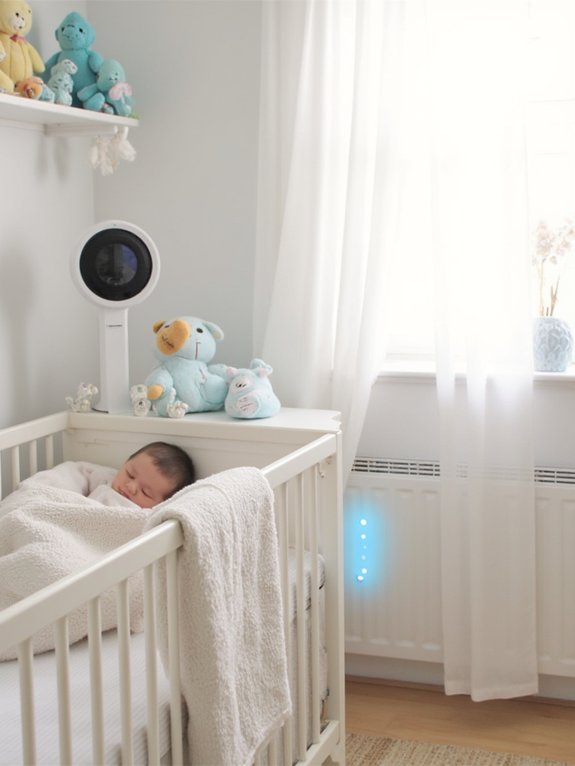
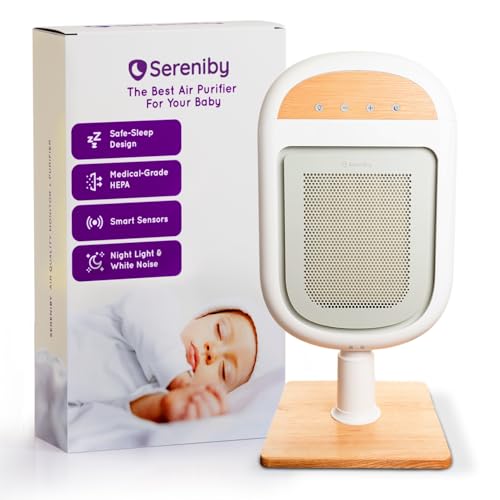
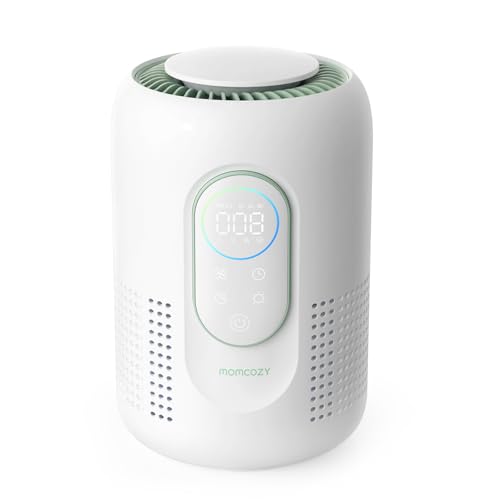
When choosing an air purifier for your infant’s room, you’ll want to prioritize models that feature true HEPA filters, as these capture at least 99.97% of airborne particles harmful to your baby’s respiratory health. Additionally, an activated carbon filter helps remove volatile organic compounds and odors, creating a cleaner environment. Quiet operation below 30 decibels prevents sleep disruption. Safety features like childproof designs and hidden cords are essential. Avoid purifiers producing ozone or using ionization. Many compact air purifiers, such as those with ultra-quiet operation, are designed specifically for bedrooms and nurseries to promote restful sleep for sensitive infants.
| Feature | Purpose | Benefit for Infant |
|---|---|---|
| HEPA Filter | Captures airborne pollutants | Protects respiratory health |
| Activated Carbon Filter | Removes VOCs and odors | Guarantees cleaner air quality |
| Quiet Operation | Minimizes noise | Supports undisturbed sleep |
Choosing these features means you’re providing safer, healthier air for your baby.
Addressing Babies’ Unique Respiratory Needs With Clean Air
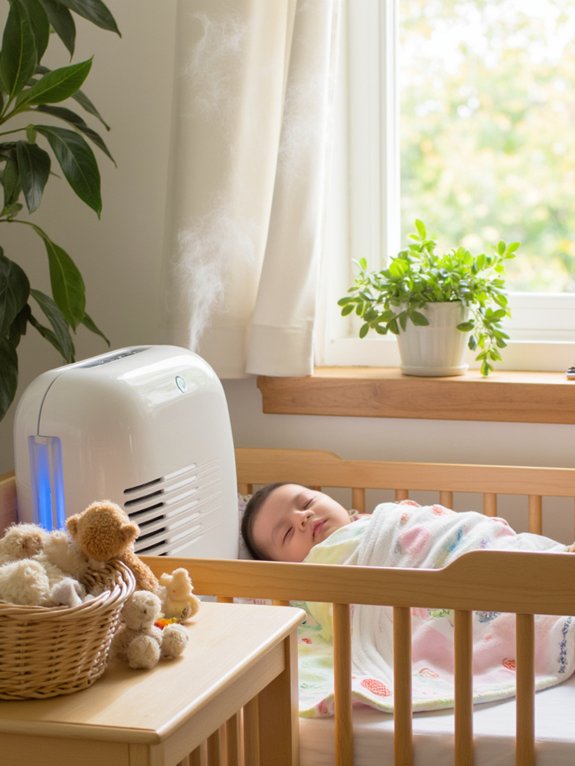
Because infants breathe faster and have smaller lungs than adults, they inhale more air relative to their body weight, making them especially sensitive to indoor air pollutants.
You want to guarantee the air your baby breathes is as clean as possible, since indoor air pollution can be up to five times higher than outdoor levels.
Airborne allergens like dust, pet dander, and mold increase infants’ risk of respiratory problems, including asthma and bronchitis. Using an air purifier with a True HEPA filter can significantly reduce these contaminants, providing added protection for your baby's developing lungs.
Using air purifiers helps reduce these indoor air pollutants, creating a safer environment for your baby’s delicate lungs.
By maintaining clean air, you support your infant’s healthy growth and lower the risk of serious conditions such as sudden infant death syndrome (SIDS).
Providing clean air is an essential way to care for your baby’s unique respiratory needs.
Important Safety Tips When Using Air Purifiers Around Infants
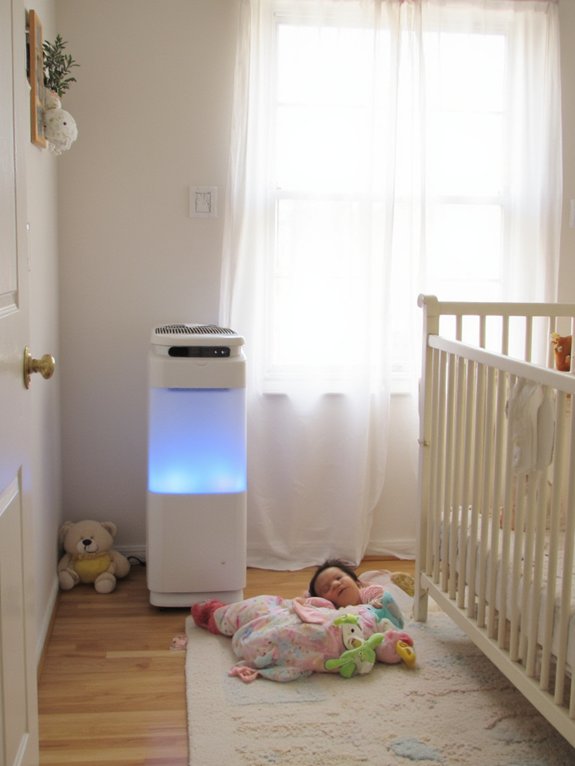
Making sure your infant breathes clean air involves more than just choosing the right air purifier; using it safely is just as important.
Select air purifiers with HEPA filters, as they effectively trap harmful particles without producing ozone, which can damage lung health. Avoid models that generate ozone or ionize the air, as these pose respiratory risks for infants.
Choose HEPA-filter air purifiers to avoid ozone and protect your infant’s delicate lungs.
Place air purifiers out of reach of crawling babies and secure any accessible parts to prevent accidents. Follow manufacturer guidelines closely, including timely filter changes, to maintain peak performance and safety.
Additionally, keep your nursery clean by regularly dusting and vacuuming to support the air purifier’s effectiveness.
By combining these practices, you make sure your infant benefits from safe, clean air in a secure environment.
Creating a Healthy Nursery Environment Beyond Air Purification
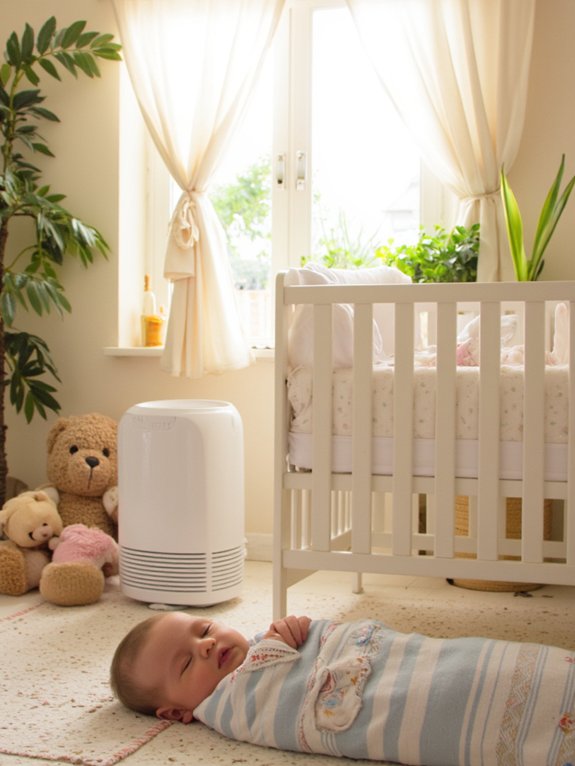
Although air purifiers play an essential role in maintaining clean air, creating a truly healthy nursery environment involves more than just filtration.
You should regularly clean and dust surfaces to reduce air pollution and prevent harmful particles from lingering. Choosing non-toxic cleaning products minimizes chemical exposure, while selecting furniture with low volatile organic compounds (VOCs) helps keep the air breathable and safer for your infant. Incorporating an air purifier with zero ozone generation provides an added layer of safety by ensuring that the air remains free from harmful byproducts.
Maintaining ideal humidity around 40% curbs bacteria and allergens, and using a humidifier alongside your purifier adds moisture, reducing respiratory risks.
By combining these practices, you’re not only cleaning the air but also fostering a nurturing, healthy space where your baby can thrive confidently and safely.
Frequently Asked Questions
Are Air Purifiers Ok for Babies?
You can improve your baby's air quality and breathing safety by choosing air purifiers with HEPA or physical filters. Avoid ozone or ionizing types to guarantee safe, effective filtering for your little one’s healthy environment.
Can a Baby Sleep Next to an Air Purifier?
You can let your baby sleep next to certain air purifier types with low noise levels, like HEPA filters. Just follow placement tips—keep it away from cords and guarantee good airflow to promote safe, clean air.
Is It Better to Have a Humidifier or Air Purifier for a Baby?
You should choose based on baby health needs: humidifier benefits include relieving dry air, while air purifier types with HEPA filters reduce allergens. Using both together often creates a balanced, healthier environment for your baby.
Will an Air Purifier Help With Baby Congestion?
You’ll find studies show air purifiers improve air quality, providing baby congestion relief by reducing allergens. This supports respiratory health benefits, helping your little one breathe easier and enjoy more comfortable, restful sleep.
Final Thoughts
Using an air purifier in your baby’s room is like giving their lungs a gentle, clean breeze to breathe in. You’re not just removing harmful particles; you’re creating a safer, healthier environment tailored to their delicate respiratory needs. By choosing the right purifier and following safety tips, you’re taking a smart, evidence-based step to protect your little one. Remember, combining clean air with other healthy habits builds the best nursery for your baby’s well-being.
If you want to know other articles similar to Why Are Air Purifiers Safe for Infants? you can visit the Air Purifiers & Humidifiers category.
3 Best Air Purifiers for Baby Room Dust
How to Choose a Baby Room Air Purifier
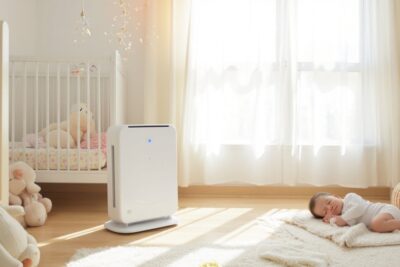
Why Choose a Compact Air Purifier for Nursery?
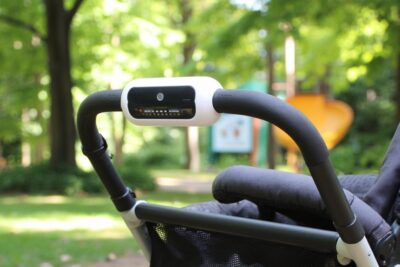
Best Portable Air Purifiers for Baby Strollers
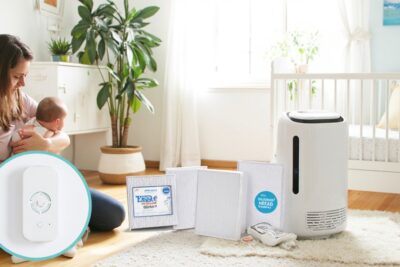
7 Tips for Choosing Baby Asthma Air Purifiers
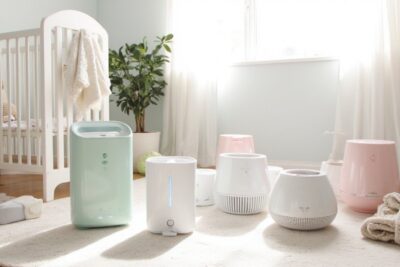
7 Best Air Purifiers for Baby Nurseries
5 Tips for Choosing Baby Allergy Air Purifiers

Why Choose an Air Purifier With Night Light?
5 Tips for Choosing the Best Air Purifier for Newborns
This is also interesting