










How to Choose Safe Organic Cotton Baby Carriers


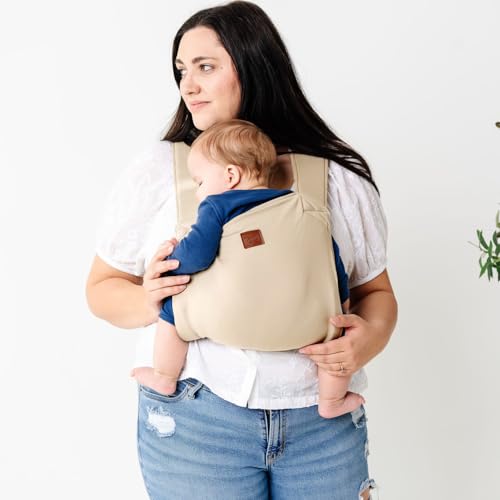
When choosing safe organic cotton baby carriers, look for certifications like GOTS or OEKO-TEX® to guarantee chemical-free, hypoallergenic materials. Prioritize carriers with ergonomic designs supporting healthy hip positioning and adjustable straps for a secure fit. Check for head, neck support, and sturdy buckles to protect your baby’s airway and comfort. Consider brands known for safety and sustainability. If you want to make the best choice for both your baby’s health and the environment, there’s more key information to explore.
Table
- Main Points
- Benefits of Organic Cotton Baby Carriers
- Understanding Organic Cotton Certification Standards
- Key Safety Features to Look for in Baby Carriers
- Material Quality and Hypoallergenic Properties
- Ergonomic Design for Baby and Parent Comfort
- Adjustable Fit and Support Mechanisms
- Breathability and Temperature Regulation
- Easy Maintenance and Cleaning Guidelines
- Environmental Impact of Organic Cotton Production
- Comparing Organic Cotton With Other Natural Fibers
- Trusted Brands Offering Certified Organic Cotton Carriers
- Tips for Proper Baby Positioning and Safety Checks
- Sustainable Practices in Baby Carrier Manufacturing
- Frequently Asked Questions
- Final Thoughts
Main Points
- Choose carriers made from 100% GOTS or OEKO-TEX® certified organic cotton to ensure chemical-free, safe fabric for sensitive baby skin.
- Verify ergonomic design features like hip-healthy "M" positioning, adjustable straps, and secure buckles for baby safety and caregiver comfort.
- Confirm the carrier provides adequate head, neck, and airway support to maintain baby’s safety and proper posture during use.
- Check manufacturer guidelines for age and weight limits, and perform safety inspections before each use to prevent accidents.
- Prefer brands with transparent sourcing and certifications, and select carriers that promote sustainability and reduce environmental impact.
Benefits of Organic Cotton Baby Carriers
When you choose an organic cotton baby carrier, you’re ensuring your baby’s comfort and safety by avoiding harmful pesticides and chemicals commonly found in conventional fabrics.
Organic cotton creates a safe environment, reducing the risk of skin irritations and allergies for your baby’s sensitive skin. These baby carriers aren't only softer but also crafted to support healthy hip development, which is essential during infancy.
By selecting organic cotton, you contribute to a sustainable future, as its production uses less water and energy while limiting environmental pollution.
Prioritizing baby carriers made from organic cotton means you’re protecting both your child and the planet, serving their well-being with care and responsibility.
This choice reflects a commitment to safe, ergonomic support and environmental stewardship.
Understanding Organic Cotton Certification Standards
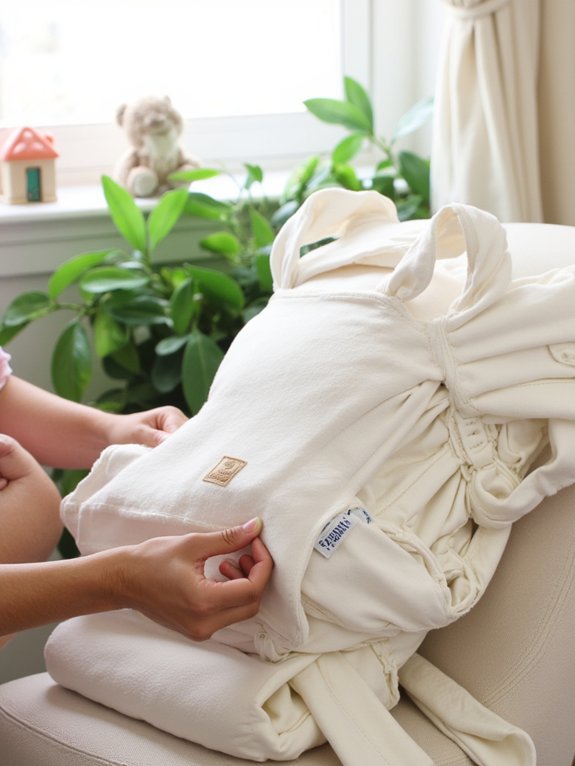
Several trusted certification standards exist to help you verify that organic cotton baby carriers meet strict safety and environmental criteria.
Understanding these organic cotton certification standards is crucial when choosing a safe product for your little one.
Knowing organic cotton certifications ensures you pick the safest baby carrier for your child.
Focus on these key certifications:
- GOTS (Global Organic Textile Standard) affirms cotton is grown without synthetic pesticides or GMOs and processed without harmful chemicals.
- OEKO-TEX® Standard 100 assures fabrics are free from harmful substances, providing extra safety for sensitive baby skin.
- Certified organic cotton supports sustainable farming practices, including soil health and ecosystem balance, benefiting both the environment and your baby.
Key Safety Features to Look for in Baby Carriers
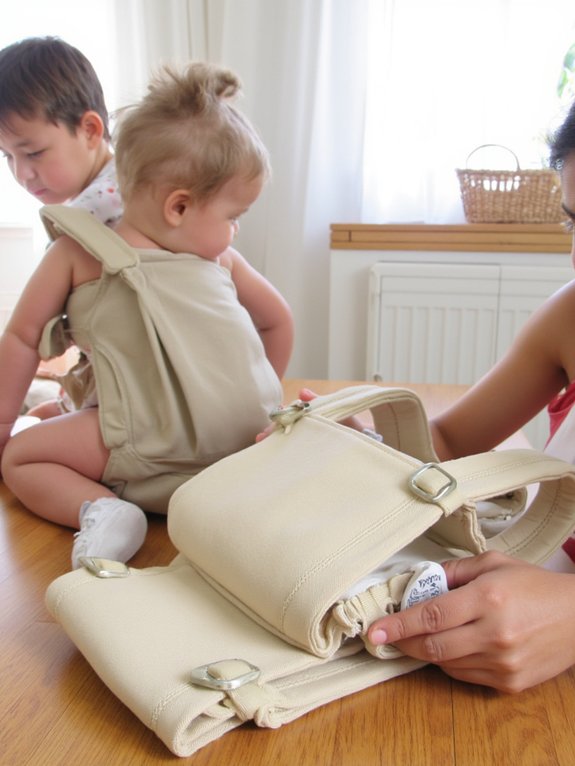
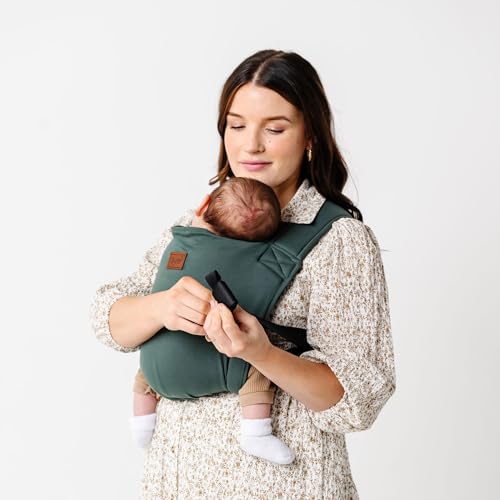
Although choosing an organic cotton baby carrier is important, you also need to prioritize key safety features that protect your baby’s health and comfort. First, select a carrier labeled as hip-healthy by the International Hip Dysplasia Institute to guarantee proper hip positioning and development. Verify that the carrier provides adequate head and neck support, essential for your infant’s airway safety and comfort. Look for secure buckles and adjustable straps that allow a customized fit, reducing slip risks. Confirm the carrier’s suitability by reviewing manufacturer guidelines on weight limits and age. Many high-quality carriers also feature an X-shaped back design that evenly distributes weight and reduces caregiver fatigue during extended use. Choosing an organic baby carrier with these safety features guarantees you’re supporting your baby’s physical development while offering reliable protection every time you carry them. Prioritize safety alongside organic materials for peace of mind.
Material Quality and Hypoallergenic Properties

When choosing a baby carrier, you’ll want to prioritize organic cotton for its natural softness and hypoallergenic qualities.
This material reduces the risk of irritation by avoiding harmful chemicals often found in conventional fabrics.
Ensuring your carrier meets certifications like Oeko-Tex 100 helps guarantee it's safe and gentle on your baby’s sensitive skin.
Organic Cotton Benefits
Choosing an organic cotton baby carrier means selecting a material that's both gentle on your baby's sensitive skin and better for the environment.
When you choose organic cotton, you benefit from:
- Hypoallergenic qualities: Organic cotton reduces the risk of irritation and allergic reactions, making it ideal for delicate baby skin.
- Breathable softness: This fabric is softer and allows better airflow, ensuring comfort during extended wear.
- Sustainable production: Grown without synthetic pesticides or fertilizers, organic cotton supports eco-friendly practices and biodegrades naturally.
Hypoallergenic Material Features
Since your baby's skin is incredibly sensitive, selecting a carrier made from organic cotton can greatly reduce the risk of irritation and allergic reactions.
Organic cotton’s hypoallergenic properties mean it’s grown without harmful pesticides and chemicals, making it gentler on your baby’s sensitive skin than conventional fabrics.
When you choose a carrier made from certified organic cotton, such as those with the Oeko-Tex Standard 100 certification, you guarantee the material is free from harmful substances.
This certification adds a layer of safety, giving you confidence in the fabric’s quality.
Additionally, organic cotton’s breathable nature helps regulate your baby’s temperature, preventing overheating while providing comfort.
By prioritizing hypoallergenic, certified organic cotton carriers, you serve your baby’s health and well-being with care and responsibility.
Ergonomic Design for Baby and Parent Comfort
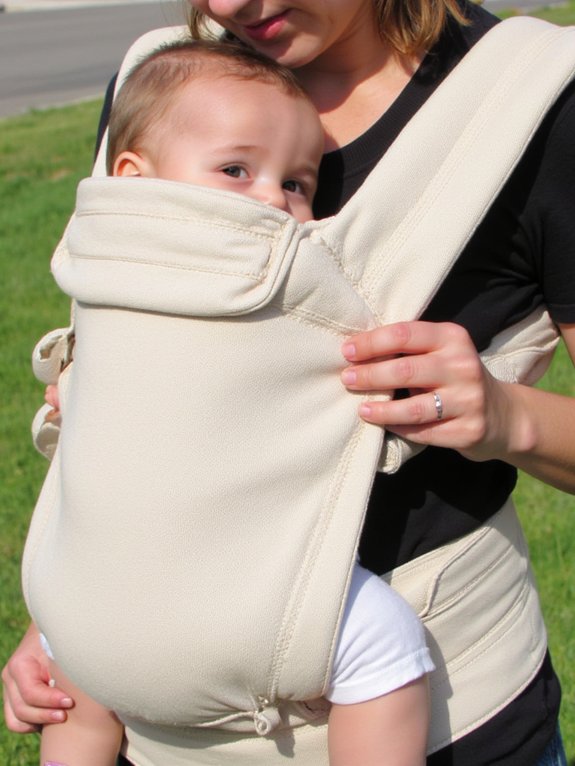
You’ll want to choose a carrier with a supportive structure that promotes healthy hip positioning for your baby while easing strain on your back and shoulders.
Look for adjustable straps and waist support to guarantee a comfortable, customized fit as your child grows.
Organic cotton materials add softness and breathability, enhancing comfort for both you and your baby during extended use.
When selecting a baby carrier, consider options that are certified by the International Hip Dysplasia Institute to ensure your baby's hips are supported in a safe, ergonomic manner for long-term development.
Supportive Structure Benefits
How can an ergonomic design in an organic cotton baby carrier improve comfort for both you and your baby? A supportive structure crafted with ergonomic designs guarantees that your baby’s hips remain in a natural, hip-healthy position while you avoid unnecessary strain.
Here’s how it benefits you both:
- Optimal Support: Ergonomic designs cradle your baby’s developing hips securely, reducing the risk of discomfort or dysplasia.
- Weight Distribution: Adjustable shoulder straps evenly spread your baby’s weight, preventing back and shoulder fatigue during longer wear.
- Body-Conforming Comfort: The soft, supportive organic cotton molds gently to your body and your baby’s, enhancing comfort without sacrificing stability. Many ergonomic carriers also include integrated EVA waist cushioning for important lumbar support, which can help prevent back pain and make longer periods of carrying more comfortable for parents.
Choosing a carrier with these features respects your caregiving role by prioritizing safety and ease for both you and your little one.
Adjustable Fit Features
When selecting an organic cotton baby carrier, adjustable fit features play an essential role in guaranteeing comfort for both you and your baby.
Look for carriers with adjustable shoulder straps and waistbands that allow a customized fit as your baby grows and your body changes.
Ergonomic designs that evenly distribute weight help reduce strain, making extended babywearing more manageable.
Essential features like padded shoulder straps and lumbar support minimize caregiver fatigue by supporting your back properly.
Also, choose carriers recognized as Hip-Healthy by the International Hip Dysplasia Institute to guarantee your baby’s hips are positioned safely and comfortably.
Adjustable head and neck support further secure newborns, enhancing stability.
Prioritizing these features guarantees you serve your baby’s needs while maintaining your own comfort responsibly.
Comfortable Materials Used
Choosing organic cotton baby carriers means prioritizing materials that offer both softness and safety for your little one.
The comfortable materials used should support ergonomic design, ensuring baby and parent comfort. Here’s what to look for:
- Organic cotton soft fabric – It’s gentle on sensitive skin and free from harmful chemicals, minimizing irritation risks.
- Breathable nature – This helps regulate temperature, keeping both you and your baby comfortable, whether it’s warm or cool outside.
- Lightweight and supportive – Organic cotton carriers often feature ergonomic structures that distribute weight evenly, reducing strain on your back and shoulders.
Adjustable Fit and Support Mechanisms
Three key adjustable features make organic cotton baby carriers both safe and comfortable for you and your baby. Adjustable fit guarantees the carrier adapts to your body size, while support mechanisms like sturdy shoulder straps and waist belts evenly distribute weight, reducing strain. Many carriers are recognized as hip-healthy, supporting proper infant hip development.
| Feature | Benefit |
|---|---|
| Adjustable Fit | Personalized comfort for all body sizes |
| Shoulder Straps | Even weight distribution, less back strain |
| Waist Support | Stability and ergonomic hip support |
| Multi-Position Adjustments | Growth adaptability and long-term safety |
Choosing an organic cotton carrier with these features helps you serve your baby’s needs safely and comfortably every step of the way.
Breathability and Temperature Regulation
Since your baby’s comfort depends heavily on temperature control, organic cotton baby carriers excel by promoting breathability and effective moisture management.
When choosing a carrier, focus on these key aspects:
- Breathability: Organic cotton’s natural fibers allow air to circulate, preventing heat build-up and keeping your baby cool.
- Moisture-wicking: This fabric draws sweat away from the skin, reducing discomfort and lowering overheating risks.
- Temperature regulation features: Look for carriers with open weaves or mesh panels to enhance airflow while maintaining softness.
Unlike synthetic materials, organic cotton doesn’t trap heat, making it ideal for various climates.
Its lightweight nature supports skin-to-skin contact, ensuring a secure, cozy environment.
Prioritizing these features helps you serve your baby’s needs with care and precision.
Easy Maintenance and Cleaning Guidelines
Maintaining your organic cotton baby carrier properly guarantees it stays safe and comfortable for your little one.
To confirm easy maintenance, start by spot cleaning small stains with a damp cloth, reducing the need for frequent full washes. Always follow the specific cleaning requirements provided with your carrier, as different designs may vary.
When washing, hand wash in cool water using a gentle liquid detergent free from harsh chemicals to preserve the organic cotton’s integrity. If you prefer machine washing, choose a gentle cycle and use a non-optical brightener detergent to protect the fabric’s natural colors.
After washing, hang dry or lay flat to dry, avoiding dryers to prevent shrinkage. Adhering to these maintenance steps keeps your carrier clean, safe, and long-lasting.
Environmental Impact of Organic Cotton Production
Choosing organic cotton baby carriers not only benefits your child’s comfort but also considerably reduces environmental harm.
When you choose organic cotton, you support sustainable materials that minimize the environmental impact in several key ways:
- Organic cotton farming uses 90% less water and avoids harmful pesticides, protecting soil and water quality.
- The Global Organic Textile Standard guarantees toxic chemicals are excluded, promoting healthier ecosystems and safer work environments.
- Crop rotation and natural pest control enhance soil health, boost biodiversity, and lower greenhouse gas emissions.
Comparing Organic Cotton With Other Natural Fibers
When choosing a baby carrier, you'll want to weigh the benefits of organic cotton against other natural fibers like hemp and bamboo.
Organic cotton offers softness and hypoallergenic qualities, while hemp excels in sustainability but may feel rougher.
Bamboo fabric can be soft but sometimes involves chemical processing, so it's important to evaluate these factors carefully for your baby's safety and comfort.
Organic Cotton Benefits
Although natural fibers like linen and bamboo offer some benefits, organic cotton stands out for baby carriers due to its softness, hypoallergenic properties, and superior moisture absorption.
When choosing fabrics and materials safe for babies, consider these organic cotton benefits:
- Grown without harmful pesticides, organic cotton reduces skin irritation risks, making it safer than conventional cotton.
- Certified organic cotton avoids toxic chemicals, ensuring gentle contact with your baby's sensitive skin.
- Responsibly sourced organic cotton is biodegradable, supporting environmental sustainability and reducing ecological harm.
Hemp Versus Cotton
Since both organic cotton and hemp offer natural, sustainable options for baby carriers, understanding their differences can help you make a safer, more informed choice. Hemp uses fewer resources than organic cotton, producing more fiber per acre without pesticides, making it a highly sustainable option. Its fibers are stronger and more durable, so your carrier can last longer and resist wear better. Hemp also has natural antibacterial properties, reducing mold risk and enhancing safety. Organic cotton, by contrast, is softer and hypoallergenic from the start, offering immediate comfort but may require more frequent washing. Both fibers are biodegradable, yet hemp decomposes faster and improves soil health, giving it an eco-friendly edge. Considering durability, comfort, and environmental impact will guide you to the best choice for your baby’s carrier.
Bamboo Fabric Considerations
Bamboo fabric offers a compelling alternative to organic cotton for baby carriers due to its rapid growth and low resource needs.
When choosing between bamboo fabric and organic cotton, consider these key factors:
- Sourcing: Bamboo grows without pesticides and uses less water, but its fiber processing often involves chemicals. Make sure the bamboo fabric you choose comes from responsible sourcing to minimize environmental impact.
- Comfort and Care: Organic cotton is soft and hypoallergenic, ideal for sensitive baby skin. Bamboo fabric adds natural antimicrobial and moisture-wicking properties but may need more specific care to maintain durability.
- Environmental Impact: Both fibers are biodegradable under the right conditions. However, bamboo’s chemical-intensive processing can offset some ecological benefits if not managed properly.
Balancing these considerations helps you select a safe, sustainable fabric that serves your baby and the planet well.
Trusted Brands Offering Certified Organic Cotton Carriers
When choosing a baby carrier made from organic cotton, you’ll want to contemplate trusted brands that prioritize both safety and environmental responsibility.
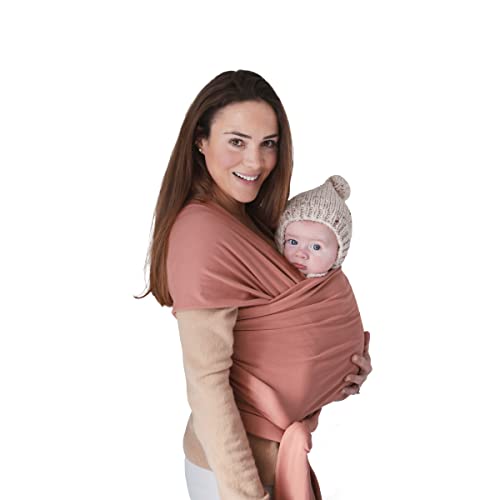
Brands like New Native and Beco Baby Carrier offer products crafted from 100% GOTS certified organic cotton, ensuring safety certified materials and eco-conscious production.
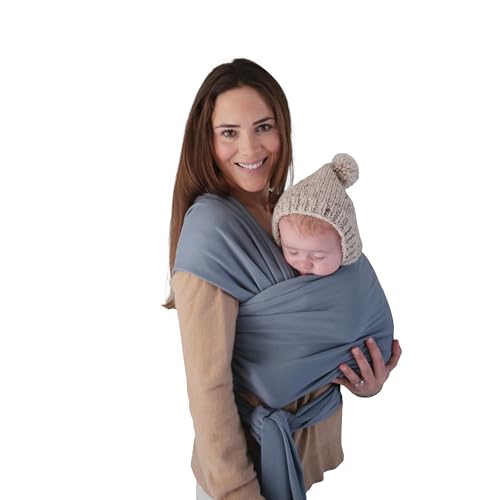
Moby provides soft, award-winning carriers using organic cotton, ideal for parents who value natural fabrics.
Ergobaby combines ergonomic design with organic cotton and safety certified standards, making it a reliable choice.
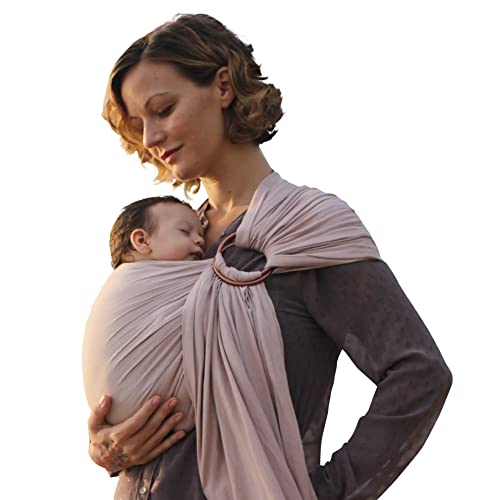
Wildbird’s fair trade linen ring slings hold OEKO-TEX® certification, confirming no harmful chemicals were used.
Tula integrates ethically sourced organic cotton, supporting both baby safety and sustainable practices.
Choosing these trusted brands helps you serve your child with confidence and care for the planet simultaneously.
Tips for Proper Baby Positioning and Safety Checks
Although choosing a certified organic cotton baby carrier is crucial, you must also prioritize proper baby positioning and routine safety checks to guarantee your little one’s well-being.
Selecting certified organic cotton carriers is essential, but proper positioning and safety checks ensure your baby's health and comfort.
Baby carriers should support a hip-healthy "M" position, with your baby’s knees higher than their bottom to promote ideal hip development. Ergonomic design in carriers can also relieve pressure for caregivers during extended use, enhancing comfort for both parent and baby.
- Always verify the carrier is securely fastened, with no loose straps or buckles that could compromise safety.
- Monitor your baby’s airway continually—keep their chin off their chest and face visible for clear breathing.
- Perform safety checks before each use, inspecting for wear and tear and adhering strictly to the manufacturer’s weight and age guidelines.
Sustainable Practices in Baby Carrier Manufacturing
Assuring your baby’s safety goes beyond proper positioning and regular checks; it also involves considering how the baby carrier is made.
Sustainable practices in baby carrier manufacturing prioritize using certified organic cotton, grown without harmful pesticides to protect both your child and the environment.
Look for carriers made with eco-friendly dyes, free from hazardous chemicals like formaldehyde or heavy metals, to guarantee your baby isn’t exposed to toxins.
Brands committed to sustainability often hold certifications such as GOTS or OEKO-TEX®, confirming the organic and safe status of their materials.
Additionally, these companies support fair trade labor practices and produce durable carriers designed to minimize waste, often encouraging recycling or secondhand use.
Choosing such responsibly made carriers reflects your dedication to serving others and protecting future generations.
Frequently Asked Questions
Is Organic Cotton Safe for Babies?
You’ll appreciate organic cotton benefits, as it guarantees baby skin safety through eco friendly materials grown with sustainable farming practices. Choosing organic cotton helps protect your baby from harmful chemicals while supporting a healthier environment.
How to Choose a Safe Baby Carrier?
You should compare baby carrier types, prioritize ergonomic design, and verify safety standards. Read user reviews carefully to make certain comfort and support for both you and your baby, helping you choose a reliable, secure carrier confidently.
What Is the Best Fabric for Baby Carriers?
You should prioritize organic cotton baby carriers with fabric certifications like GOTS for safety. Consider breathability factors and durability comparisons, avoiding colorfastness concerns by selecting fabrics that maintain softness and strength while protecting your baby's sensitive skin.
Is Ergobaby Nontoxic?
Think toxins love babies? They don’t. Ergobaby materials analysis, safety certifications comparison, and toxicity testing methods prove their carriers stay nontoxic. User reviews insights confirm you’re choosing safety with care and responsibility.
Final Thoughts
Choosing a safe organic cotton baby carrier is like planting a seed—you want the right environment for it to grow strong and healthy. Just as 80% of parents trust certified organic materials to protect their babies from irritants, you should prioritize safety, comfort, and sustainability. By focusing on quality certifications and ergonomic design, you’re not only caring for your little one today but also nurturing a healthier future for both your family and the planet.
 5 Tips for Using Portable Bottle Sterilizers Traveling
 How to Choose a Filterless Air Purifier for Baby
If you want to know other articles similar to How to Choose Safe Organic Cotton Baby Carriers you can visit the Baby Carriers category.
Best Baby Carriers for C-Section Moms
What Are the Best Soft Structured Baby Carriers?

10 Best Affordable Baby Carriers Under $50

Best Baby Carriers for Breastfeeding On the Go

How to Choose the Best Baby Carrier for Back Support

Best Baby Carriers for Preemies and Small Babies

What Baby Carrier Fits Dads With Broad Shoulders?

5 Best Baby Carriers for Toddlers Over 30 Pounds

Why Choose Lightweight Baby Carriers for Travel?
This is also interesting