


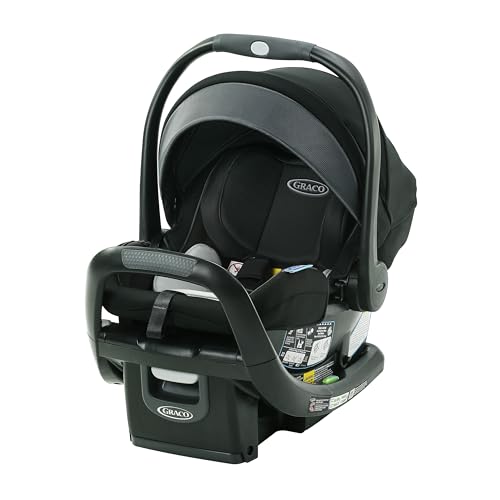


Why Choose Baby Car Seats With Anti-Rebound Bars?


You’ll want a baby car seat with an anti-rebound bar because it adds essential safety by limiting backward movement during a crash, keeping your child’s neck and spine protected. This bar stabilizes the seat against the vehicle, reducing excessive motion and improving overall crash stability. While not federally required, it enhances peace of mind by working with other safety features for a secure fit. Keep exploring to uncover more about these lifesaving additions and how to choose the right seat.
Table
- Main Points
- Understanding the Purpose of Anti-Rebound Bars
- How Anti-Rebound Bars Enhance Rear-Facing Car Seat Safety
- Different Designs of Anti-Rebound Bars in Baby Car Seats
- Federal Safety Standards and Anti-Rebound Bar Requirements
- Comparing Car Seats With and Without Anti-Rebound Bars
- Additional Safety Features Complementing Anti-Rebound Bars
- Installation Tips for Car Seats Equipped With Anti-Rebound Bars
- Consumer Experiences and Feedback on Anti-Rebound Bar Effectiveness
- Choosing the Best Baby Car Seat With Anti-Rebound Bar for Your Family
- Frequently Asked Questions
- Final Thoughts
Main Points
- Anti-rebound bars reduce backward rotation in crashes, protecting a child's neck and spine from rebound-related injuries.
- They improve crash stability by securely anchoring the car seat against the vehicle seat back.
- Designs vary, offering flexible or rigid options that enhance safety and ease of installation.
- Though not federally required, anti-rebound bars complement FMVSS No. 213 standards by adding extra protection.
- Parents report increased confidence and less movement during collisions with car seats featuring anti-rebound bars.
Understanding the Purpose of Anti-Rebound Bars
While rear-facing car seats already offer essential protection, anti-rebound bars add an extra layer of safety by limiting the seat's backward rotation during a collision.
These bars stabilize the car seat against the vehicle seat back, reducing excessive movement that can increase injury risk. By minimizing potential strain on your child’s neck and spine, anti-rebound bars enhance safety beyond the standard protection rear-facing seats provide.
Although not mandatory, these bars serve a crucial role in protecting against rebound-related injuries, which, while uncommon, can be severe.
When you choose a car seat with anti-rebound bars, you’re prioritizing child passenger safety by investing in technology designed to stabilize the car seat and support your commitment to safeguarding your little one during every journey.
How Anti-Rebound Bars Enhance Rear-Facing Car Seat Safety

You want your child's car seat to stay as stable as possible during a crash, and anti-rebound bars help by controlling the seat’s backward movement.
These bars brace firmly against your vehicle’s seat back, improving overall crash stability and reducing strain on your baby’s neck and spine.
Understanding how this added control works can give you peace of mind when choosing a rear-facing car seat. Many convertible car seats, such as those featuring rigorous crash testing, further enhance safety by exceeding federal standards and providing superior protection in various crash scenarios.
Rebound Movement Control
Because rear-facing car seats can experience significant rebound movement during a crash, anti-rebound bars play an important role in enhancing your child’s safety.
These bars brace firmly against the vehicle seat back, controlling excessive movement and reducing the risk of injury to your child’s neck and spine. Top safety ratings for some car seats reflect the engineering that helps manage both crash forces and rebound movement.
By limiting the rotation of the car seat in a collision, anti-rebound bars help maintain the proper seating position essential for the effectiveness of the five-point harness system.
This precise control not only stabilizes the seat but also contributes to overall enhanced safety.
When you choose a baby car seat with anti-rebound bars, you're actively supporting better car seat safety and giving your child crucial protection during unexpected collisions.
Crash Stability Improvement
Although rear-facing car seats already offer essential protection, incorporating anti-rebound bars greatly improves crash stability by limiting the seat's backward rotation during an impact. These bars control movement during a crash, reducing the forces on your child’s head and neck, which considerably lowers the risk of injury. By enhancing stability, anti-rebound bars help guarantee a secure installation, minimizing improper positioning that could compromise safety. Alongside other safety features like load legs and side-impact protection, anti-rebound bars create a thorough system that boosts rear-facing car seats’ overall protection. When you choose a car seat with anti-rebound bars, you’re prioritizing your child’s safety by adding an extra layer of crash stability that effectively safeguards them in critical moments.
Different Designs of Anti-Rebound Bars in Baby Car Seats

You’ll find that anti-rebound bars come in several designs, from fixed panels to adjustable bars and even carry handle positions on infant seats.
Convertible and all-in-one car seats often feature sturdy bars built for extra stability, while infant seats may use specific mechanisms like anti-rebound panels or handle adjustments.
Understanding these variations helps you choose the best option to keep your child secure and comfortable during every ride.
Variations in Design
When you choose a baby car seat with an anti-rebound bar, you’ll find a variety of designs tailored to enhance safety and ease of use. These design variations aim to limit rearward movement and improve stability in a crash scenario while meeting strict safety standards. Depending on the model, you might encounter:
- Rigid bars on convertible car seats that brace firmly against the vehicle seat back
- Flexible panels on infant car seat bases to absorb and reduce rebound forces
- Integrated carry handle positions doubling as anti-rebound mechanisms
- Unique manufacturer designs balancing crash safety with user-friendly installation
- All-in-one car seats featuring dedicated bars to maximize impact stability
Understanding these options helps you select the best seat for enhancing safety and protecting little ones during travel.
Infant Seat Mechanisms
Several types of anti-rebound bars exist in infant car seats, each designed to limit rearward movement during a crash and enhance your baby's safety.
These bars stabilize the seat by reducing rebound motion, which can cause excessive movement harmful to your child. Some infant car seats feature anti-rebound panels integrated into their bases, providing a stable foundation that minimizes seat rotation. Many convertible car seats, like the Graco Extend2Fit, feature extended rear-facing use with additional legroom to promote both comfort and safety.
Others use bars attached directly to the seat or utilize carry handle positions as built-in anti-rebound mechanisms. When your baby is in a rear-facing position, these features offer additional protection by controlling how much the seat can move after impact.
While all infant car seats meet federal safety standards, choosing one with anti-rebound bars is a valuable safety enhancement that helps safeguard your little one during travel.
Convertible Seat Features
Building on the importance of anti-rebound bars in infant seats, convertible car seats offer their own range of designs to enhance safety.
These features focus on reducing rear-facing rebound and improving crash protection. When choosing convertible seats, consider how each design manages impact energy and forward motion to maximize child safety and stability. Many top-rated models, such as the Britax One4Life Convertible Infant Car Seat, incorporate advanced anti-rebound features for added security.
- Rigid anti-rebound bars brace against the vehicle seat back, limiting rearward movement
- Some models include a load leg extending to the floor for extra impact absorption
- Adjustable anti-rebound bars fit various vehicle types and seating positions
- Integrated panels minimize rebound effects after initial collision forces
- Rear-facing convertible seats with anti-rebound bars markedly reduce risks of neck and spinal injuries
Understanding these features helps you provide the best crash protection for your child.
Federal Safety Standards and Anti-Rebound Bar Requirements

Although anti-rebound bars can enhance a car seat’s stability during a crash, federal safety standards don’t require them for compliance. All car seats sold in the U.S. must meet FMVSS No. 213, which guarantees adequate protection during crashes without relying on an anti-rebound bar. Rear-facing seats pass rigorous crash tests proving their safety, even without this feature. While an anti-rebound bar adds stability by limiting rebound movement, it remains optional, not mandatory. Manufacturers include it as an enhancement to improve protection, but federal safety standards assure basic safety and stability in every car seat. By understanding these regulations, you can confidently prioritize your child’s safety while appreciating the value of additional features like anti-rebound bars.
Comparing Car Seats With and Without Anti-Rebound Bars

When you choose a car seat with an anti-rebound bar, you gain extra stability by reducing backward movement during crashes, which can lessen the forces on your child’s neck and spine.
Compared to car seats without this feature, those with anti-rebound bars offer:
- Enhanced stability in rear-facing car seats
- Reduced excessive movement during side-impact collisions
- Additional side-impact protection for your child’s safety
- Lower injury risk by limiting rebound forces
- Greater peace of mind reported by parents
Some car seats, such as the Britax Poplar, also feature naturally flame-retardant fabric for a healthier environment, adding another layer of safety beyond crash protection.
While all rear-facing car seats meet federal safety standards, those with anti-rebound bars provide an extra layer of protection.
This can be essential for you as a caregiver committed to minimizing injury risk and ensuring your child’s safety in every journey.
Additional Safety Features Complementing Anti-Rebound Bars
To further enhance your child's safety beyond the anti-rebound bar, several additional features work together to provide thorough protection.
A load leg complements anti-rebound bars by absorbing crash energy, reducing forward motion, and lowering injury risk. Certain compact car seat designs make it easier to fit safety-enhanced models—like those with anti-rebound bars and load legs—side-by-side for families with multiple children.
Side-impact protection, often using EPS or EPP foam, shields your child from lateral crash forces.
Side-impact protection with EPS or EPP foam guards your child against dangerous lateral forces in crashes.
The five-point harness securely restrains your child, distributing crash forces evenly and limiting movement during impact.
Adjustable recline guarantees your infant is positioned properly, preventing head slump and boosting the effectiveness of anti-rebound bars.
Some car seats also include SafeCoil™ energy absorption technology, working hand-in-hand with load legs and anti-rebound bars to minimize forces your child experiences in a collision.
Together, these features create a safer environment that prioritizes your child’s safety at every turn.
Installation Tips for Car Seats Equipped With Anti-Rebound Bars
Since proper installation directly impacts your child's safety, you’ll want to assure the anti-rebound bar sits firmly against the vehicle seat back to limit rearward movement during a crash.
Follow these essential installation tips to assure your car seat is securely in place:
- Consult the manufacturer’s instructions for the correct angle during car seat installation.
- Use either the LATCH system or the seat belt method, never both simultaneously.
- Confirm the anti-rebound bar isn't obstructed by seat covers or accessories that could impair functionality.
- Check that the car seat has less than one inch of movement at the base for a tight fit.
- Regularly inspect that the anti-rebound bar remains firmly pressed against the seat back.
These steps help maximize safety and peace of mind during every ride.
Consumer Experiences and Feedback on Anti-Rebound Bar Effectiveness
Though car seats must meet federal safety standards, many parents find that models with anti-rebound bars offer an extra layer of reassurance.
Consumer experiences consistently highlight how these bars reduce excessive movement during collisions, enhancing your child’s protection. Feedback shows you’ll gain increased confidence in your car seat’s stability, as anti-rebound bars effectively limit rebound motion that can strain a child’s neck and spine. Many parents also report that car seats with advanced safety technologies provide added peace of mind during travel.
Many users appreciate how these bars add safety without complicating installation, making the process smoother and less stressful.
While these bars supplement federally compliant car seats, parents often regard them as a valuable benefit.
By choosing a car seat with anti-rebound bars, you prioritize your child’s safety and gain peace of mind through proven consumer insights and real-world feedback.
Choosing the Best Baby Car Seat With Anti-Rebound Bar for Your Family
Finding the perfect baby car seat with an anti-rebound bar involves balancing safety, comfort, and ease of use for your family.
Choosing the ideal baby car seat with an anti-rebound bar means prioritizing safety, comfort, and convenience.
To guarantee your child’s safety, consider these key factors:
- Choose a car seat that has passed rigorous crash tests and includes side-impact protection.
- Verify the weight limit supports extended rear-facing, the safest position for infants.
- Look for a five-point harness system for secure restraint.
- Prioritize models with clear installation instructions and a LATCH system to avoid incorrect setup.
- Select user-friendly features like no-rethread harnesses and easy-to-clean materials to simplify daily use.
Frequently Asked Questions
Should a Car Seat Have an Anti-Rebound Bar?
You should consider car seats with anti-rebound bars since safety features enhance infant safety. Check crash testing, user reviews, and product comparisons for ease installation. Follow installation tips and car seat regulations to meet consumer preferences effectively.
What Is the Difference Between a Load Leg and an Anti-Rebound Bar?
Sure, because choosing between load leg advantages and anti-rebound benefits is like picking your favorite superhero! Load legs limit forward motion; anti-rebound bars prevent backward rotation. Both improve safety, comfort, and vary by design, brand, and ease of installation.
What Is the Purpose of a Rebound Bar?
A rebound bar benefits your child's safety by limiting car seat rotation during crashes, enhancing travel safety. User reviews and crash test results highlight its safety features. Follow installation tips, and consider product comparisons within car seat regulations for ideal infant positioning.
What Is the Graco Anti-Rebound Bar?
The Graco Anti-Rebound Bar enhances car seat stability, improving crash test performance. Parents praise its design innovations, installation ease, and comfort factors. Its Graco safety features offer anti-rebound benefits at a fair price, ensuring your child's protection.
Final Thoughts
Choosing a baby car seat with an anti-rebound bar isn’t just smart—it’s like adding a fortress of safety around your little one. These bars drastically reduce movement during sudden stops, giving you peace of mind on every trip. Combined with other safety features and proper installation, they create an unbeatable shield. Don’t settle for less when protecting your child’s precious life; the right seat with an anti-rebound bar makes all the difference, every single ride.
If you want to know other articles similar to Why Choose Baby Car Seats With Anti-Rebound Bars? you can visit the Baby Car Seats category.
What Are the Best Baby Car Seats for Small Cars?

Why Choose Baby Car Seats Under $100?

How to Use Rotating Baby Car Seats Safely

Why Choose FAA Approved Car Seats for Airplanes?

10 Tips for Choosing the Best Convertible Car Seat

10 Tips for Rear Facing Car Seat Installation

What Are the Easiest Baby Car Seat Covers to Clean?

10 Tips for Choosing High Weight Limit Car Seats

Top 3 Baby Car Seats Compatible With Strollers
This is also interesting