


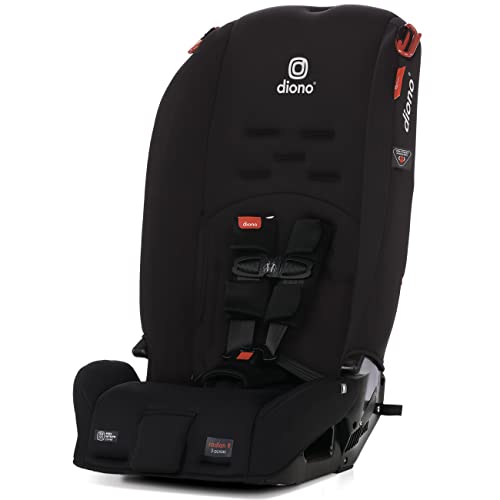


Why Choose FAA Approved Car Seats for Airplanes?


You protect your child on roads, so don’t skip FAA-approved car seats on airplanes—they meet strict safety standards to keep your child secure during flights. These seats reduce injury risks from turbulence by providing reliable, properly designed restraint. You’ll also guarantee compliance with airline policies while enhancing comfort and supervision. Choosing the right FAA-approved seat means safer, smoother air travel for your child. Keep going to discover how to identify, install, and benefit from these essential seats.
Table
- Main Points
- Importance of Using FAA-Approved Car Seats on Airplanes
- How to Identify FAA-Approved Car Seats
- Types of FAA-Approved Car Seats for Air Travel
- Safety Benefits of FAA-Approved Car Seats During Flights
- Installation Guidelines for Car Seats on Airplanes
- Airline Policies and Accommodations for Car Seat Use
- Frequently Asked Questions
- Final Thoughts
Main Points
- FAA-approved car seats meet rigorous safety standards for both motor vehicles and aircraft, ensuring maximum child protection during flights.
- They significantly reduce injury risk from turbulence by securely restraining children in a familiar, safe environment.
- Using an FAA-approved car seat complies with airline safety regulations and often requires purchasing a separate ticket for the child.
- These car seats provide better comfort and stability, helping children remain calm and supervised throughout the flight.
- FAA-approved seats are specifically designed and labeled for air travel, guaranteeing proper fit and installation on airplane seats.
Importance of Using FAA-Approved Car Seats on Airplanes
Although flying with young children can be challenging, using an FAA-approved car seat is essential for their safety.
These child restraint systems (CRS) meet stringent safety standards for both motor vehicles and aircraft, offering superior protection during turbulence or emergency landings.
The American Academy of Pediatrics strongly recommends using a travel car seat for children under 40 pounds to reduce injury risk.
Unrestrained children face considerably higher dangers onboard, as studies show.
Most airlines permit FAA-approved car seats when you purchase a separate ticket for your child, allowing safer, more secure seating than standard airline seats.
Besides safety, a familiar CRS environment helps children stay calm and comfortable, easing your responsibility and enhancing the overall travel experience.
Prioritizing FAA-approved car seats reflects your commitment to their well-being throughout the flight.
How to Identify FAA-Approved Car Seats

Guaranteeing your child's car seat is FAA-approved starts with knowing exactly what to look for.
First, check the label on the child restraint system (CRS); it should state, “This restraint is certified for use in motor vehicles and aircraft travel.” This label confirms FAA approval.
Next, review the owner's manual, which details certification and safety features essential for air travel.
If the label is missing, request a letter from the manufacturer verifying the CRS’s compliance.
Remember, car seats bought internationally are acceptable if labeled according to international or United Nations safety standards.
To further assist, consult the thorough FAA list of certified car seats tailored for various age groups.
By verifying these elements, you guarantee your car seat meets rigorous FAA safety standards, prioritizing your child's protection during flights.
Types of FAA-Approved Car Seats for Air Travel

When choosing FAA-approved car seats for air travel, you’ll find options like infant car seats designed for children up to 40 pounds, offering critical protection during flights.
Convertible car seats provide flexibility by accommodating rear- and forward-facing positions as your child grows.
Since traditional booster seats aren’t approved for airplanes, you'll need to take into account combination seats with a 5-point harness to guarantee your child’s safety in the air.
Some FAA approved car seats such as the Baby Trend EZ-Lift Plus Infant Car Seat are specifically lightweight and designed for easy carrying through airports and onto planes.
Infant Car Seats
Because your infant's safety during air travel is paramount, choosing an FAA-approved car seat is crucial. An infant car seat labeled as certified for both motor vehicles and aircraft guarantees compliance with rigorous safety standards.
When you travel with a car seat like the Nuna PIPA Series or UPPAbaby Mesa V2, you provide your child restraint system (CRS) that’s designed for secure installation on airplanes. These seats protect your baby under 40 pounds from turbulence and unrestrained movement.
The Doona infant car seat stroller adds convenience, folding into a stroller, but requires a locking clip for international flights. Always review the manufacturer’s manual to properly install on airplanes and verify a snug fit in the airplane seat.
Prioritizing child safety with an FAA-approved car seat guarantees peace of mind throughout your journey.
Convertible Car Seats
Convertible car seats offer a flexible and secure option for air travel, accommodating your child from infancy through toddlerhood with weight limits typically ranging from 5 to 65 pounds.
Choosing an FAA-approved convertible car seat guarantees you use a child restraint system (CRS) tested and certified for both motor vehicles and aircraft. Many models, such as the Graco Extend2Fit, provide an adjustable extension panel and extra legroom, making them especially comfortable for longer journeys.
Models like the Cosco Scenera Next are lightweight and compact, making them easier for you to install on airplanes.
Remember, FAA regulations require these seats to be installed forward-facing, following the specific label instructions based on your child’s weight and size.
Many seats, such as the Maxi-Cosi Romi, include safety enhancements like a 5-point harness system, offering reliable protection.
Prioritizing FAA approval assures compliance and optimum safety during air travel.
Booster Seat Alternatives
While convertible car seats offer versatile protection during air travel, booster seats don’t meet FAA approval for use on airplanes.
Instead, you should opt for FAA-approved car seats that provide essential safety features tailored for flight. Many models, such as the Safety 1st Guide Convertible Car Seat, feature a secure LATCH system that guarantees safe installation and protection during both car and air travel.
Infant car seats like the Nuna PIPA Series or Clek Liingo offer secure restraint for younger children, while convertible car seats such as the Nuna Rava or Britax Poplar adapt as your child grows.
These options come with a clear FAA certification label, confirming their compliance with rigorous safety standards for both motor vehicles and aircraft.
Utilizing a properly certified child restraint system (CRS) guarantees your child’s protection during the flight, making booster seats an unsuitable choice.
Prioritize FAA-approved car seats to maintain safety and peace of mind while traveling with your child.
Safety Benefits of FAA-Approved Car Seats During Flights

When you use an FAA-approved car seat during your flight, you greatly reduce your child’s risk of injury from turbulence by keeping them securely restrained.
These seats are engineered to withstand the unique forces of air travel, offering stability that lap-held children simply can’t have.
Beyond safety, they also help your child stay comfortable throughout the flight, making the journey smoother for both of you.
Turbulence Injury Prevention
Because turbulence can produce sudden, powerful forces, securing your child in an FAA-approved car seat during flights is essential for preventing injuries.
These child restraint systems create a secure environment that markedly reduces the risk of serious injuries caused by abrupt movements.
The FAA-approved car seats meet rigorous safety standards designed to withstand the g-forces experienced during turbulence.
Studies show children properly secured in these seats face far lower injury rates than those held in laps or unrestrained.
The National Transportation Safety Board underscores the heightened danger for unrestrained children, reinforcing the need for these specialized seats.
The American Academy of Pediatrics strongly advocates using FAA-approved car seats, emphasizing their critical role in turbulence injury prevention and ensuring your child’s safety throughout air travel.
Secure Child Restraint
Three key safety benefits make FAA-approved car seats the best choice for securing your child during flights.
First, these car seats serve as a reliable child restraint system (CRS), ensuring your child is securely fastened and reducing injury risks during turbulence or emergency landings.
Second, FAA-approved car seats meet stringent seat safety standards, specifically tested and certified for aircraft use, which other seating options lack.
Third, using an FAA-approved CRS enhances protection by markedly lowering the chances of preventable injuries and fatalities for children under 40 pounds, as recommended by the American Academy of Pediatrics.
By choosing these car seats, you not only secure child restraint effectively but also ease supervision during travel, prioritizing your child’s safety and well-being throughout the flight.
Enhanced Flight Comfort
Although air travel can be stressful for children, FAA-approved car seats greatly enhance flight comfort by keeping them securely restrained and protected during turbulence or emergency landings.
Using a certified child restraint system (CRS) improves your travel experience by providing:
- Secure restraint that prevents injury during unexpected turbulence, far surpassing standard seat belts.
- Enhanced protection that reduces risks in emergency scenarios, ensuring your child’s safety is prioritized.
- Familiar surroundings that calm your child, promoting better behavior and easier sleep during the flight.
Installation Guidelines for Car Seats on Airplanes

When installing a car seat on an airplane, you must verify it’s FAA-approved and clearly labeled for use in both motor vehicles and aircraft.
Begin by securing the child restraint system (CRS) in your purchased airplane seat—preferably a window seat to keep aisles clear during emergencies.
Use the airplane’s seat belt to fasten the car seat, threading it through designated slots precisely as the manufacturer instructs.
Fasten the car seat using the airplane seat belt through designated slots exactly as the manufacturer directs.
Before travel, confirm that your FAA-approved car seat fits the airplane seat width, since some aircraft seats are narrower than standard.
Familiarize yourself with the installation process ahead of time to guarantee efficiency.
Don’t hesitate to request assistance from flight attendants if needed.
Following these steps guarantees a safe, compliant installation, protecting your child and easing your travel experience.
Airline Policies and Accommodations for Car Seat Use
If you plan to bring a car seat on board, you’ll need to purchase a separate ticket for your child to confirm the seat can be properly secured during the flight.
Airlines enforce strict policies requiring FAA-approved car seats as the child restraint system to comply with safety regulations.
When planning your seating arrangements, consider these key points:
- Always request a window seat for the car seat to minimize obstruction during emergencies.
- Be prepared for possible seat changes; airlines may move you to bulkhead seats or those with movable armrests to fit the car seat safely.
- Verify the car seat installation follows label instructions, allowing forward or rear-facing setups based on your child’s size.
Understanding airline policies helps you advocate effectively for your child’s in-flight safety.
Frequently Asked Questions
What Is the Faa-Approved Car Seat for Flying?
You should choose an FAA-approved car seat that meets FAA regulations and safety standards, ensuring child safety. Check product certification labels, follow seat installation guidelines, and align with airline policies for secure, compliant air travel.
Do You Need a Special Car Seat for an Airplane?
You need a special car seat for air travel safety, child passenger protection, and compliance with travel regulations and seatbelt laws. Prioritize infant comfort, follow airline policies, and choose FAA-approved travel accessories for responsible, safety-focused journeys.
Why Are Some Car Seats Not Faa-Approved?
You’ll find some car seats aren’t FAA-approved because they don’t meet strict safety regulations, crash testing, design standards, installation guidelines, age requirements, weight limits, or usage recommendations essential to protect children during air travel.
What Makes a Car Seat Airline Approved?
You’ll find a car seat airline approved by checking its certification process, ensuring it meets strict safety standards, follows installation guidelines, suits age recommendations, weight limits, and uses proper harness systems—essential travel tips for secure flights.
Final Thoughts
Choosing an FAA-approved car seat for your airplane trip isn’t just a recommendation—it’s your child’s safety lifeline at 30,000 feet. These seats fit like a glove and meet strict standards, ensuring protection through every bump and turn. By knowing how to identify, install, and comply with airline policies, you’re not just following rules—you’re securing peace of mind. Don’t leave safety to chance; make FAA-approved car seats your travel essential.
If you want to know other articles similar to Why Choose FAA Approved Car Seats for Airplanes? you can visit the Baby Car Seats category.
What Are the Best Baby Car Seats for Small Cars?

Why Choose Baby Car Seats Under $100?

How to Use Rotating Baby Car Seats Safely

10 Tips for Choosing the Best Convertible Car Seat

10 Tips for Rear Facing Car Seat Installation

What Are the Easiest Baby Car Seat Covers to Clean?

10 Tips for Choosing High Weight Limit Car Seats

Top 3 Baby Car Seats Compatible With Strollers

What Is the Safest Infant Car Seat?
This is also interesting