




Why Choose Baby Car Seats With Extended Rear Facing?


You should choose baby car seats with extended rear-facing because they offer superior protection for your child's vulnerable head, neck, and spine during crashes. Rear-facing seats cradle your child and evenly distribute crash forces, greatly reducing injury risk. Most seats support children up to 40-50 pounds, allowing safer travel well beyond infancy. Staying rear-facing as long as possible aligns with expert safety guidelines. Understanding specific features and installation tips will help you maximize your child’s safety and comfort.
Table
- Main Points
- The Safety Advantages of Rear-Facing Car Seats
- Understanding the Anatomy of Toddlers and Impact on Safety
- How Extended Rear-Facing Protects the Head, Neck, and Spine
- Weight and Height Limits for Rear-Facing Car Seats
- Common Misconceptions About Rear-Facing Car Seats
- Comparing Rear-Facing and Forward-Facing Crash Dynamics
- Guidelines for Transitioning to Forward-Facing Seats
- Features to Look for in Extended Rear-Facing Car Seats
- Recommended Car Seat Models for Extended Rear-Facing
- Installation Tips for Extended Rear-Facing Car Seats
- Resources and Support for Parents Choosing Rear-Facing Seats
- Frequently Asked Questions
- Final Thoughts
Main Points
- Extended rear-facing car seats provide superior protection for toddlers’ head, neck, and spine during crashes by evenly distributing crash forces.
- Research shows extended rear-facing reduces serious injuries by up to 90% compared to forward-facing seats.
- Toddlers’ developing spines are vulnerable; rear-facing seats support spinal safety during critical growth phases.
- Most extended rear-facing seats accommodate children up to 40-50 pounds, allowing longer use and compliance with safety guidelines.
- Extended rear-facing seats often include side impact protection, enhancing overall crash safety for young children.
The Safety Advantages of Rear-Facing Car Seats
Although it might seem inconvenient at times, keeping your child in a rear-facing car seat offers unmatched protection during crashes by cradling their head, neck, and spine.
Rear-facing car seats greatly reduce the risk of severe injury by evenly distributing crash forces across your child’s body. The American Academy of Pediatrics strongly recommends extended rear-facing until children reach the car seat’s maximum height or weight limits, often around 40 to 50 pounds.
Extended rear-facing seats protect children by distributing crash forces, recommended until max height or weight limits.
This practice enhances child passenger safety by accommodating toddlers’ vulnerable anatomy and underdeveloped vertebrae. Research shows children in rear-facing seats experience up to 90% fewer serious injuries compared to forward-facing seats.
Prioritizing extended rear-facing use is an essential step you can take to safeguard your little one on every journey.
Understanding the Anatomy of Toddlers and Impact on Safety

Because toddlers’ vertebrae are still connected by cartilage rather than fully ossified bone, their spines remain especially vulnerable during car crashes.
When considering car seat safety, you must understand how toddlers’ anatomy impacts their protection:
- Toddlers’ spinal cords and vertebrae aren’t fully developed, leaving the neck and spine fragile.
- The C3 vertebra closes around age 2, signaling ongoing spinal maturation.
- Their immature spines bear a larger proportion of body weight in collisions, increasing injury risk.
- Rear-facing car safety diffuses crash forces across the entire body, lessening neck and spine strain.
Extended rear-facing provides vital support during this vulnerable growth phase, reinforcing spinal cord safety.
Choosing extended rear-facing car seats aligns with your commitment to protecting toddlers’ delicate anatomy and enhancing overall car seat safety.
How Extended Rear-Facing Protects the Head, Neck, and Spine

Understanding your toddler’s delicate spinal development highlights why extended rear-facing car seats offer superior protection for their head, neck, and spine.
In a collision, the rear-facing position cradles the entire child, distributing crash forces evenly across the body and considerably reducing stress on vulnerable areas. Because a toddler’s spine is still composed of soft cartilage, this support is essential to prevent serious injuries. Many leading car seats, like those with side impact protection, are specifically engineered to enhance this support for growing children.
Research consistently shows that children kept rear-facing until age 4 experience fewer head and spinal injuries, emphasizing the protective advantage of this setup.
By choosing extended rear-facing seats, you prioritize your child’s safety, aligning with the American Academy of Pediatrics’ guidance to maximize head, neck, and spine protection during travel.
This thoughtful approach reflects your commitment to safeguarding their developing bodies every trip.
Weight and Height Limits for Rear-Facing Car Seats

When choosing an extended rear-facing car seat, you should pay close attention to the weight and height limits to ascertain your child remains safely rear-facing as long as possible.
The American Academy of Pediatrics highlights that children should stay rear-facing until they exceed the car seat’s maximum weight or height limits.
The American Academy of Pediatrics advises keeping children rear-facing until they surpass car seat weight or height limits.
Consider these key points:
- Most rear-facing car seats support up to 40 or 50 pounds, allowing extended rear-facing use until about age 4.
- Height limits typically range from 35 to 49 inches, accommodating growing children.
- Convertible seats often require the child’s head to stay at least one inch below the top of the seat.
- Selecting seats with higher weight and height limits guarantees your child safely remains in the rear-facing position longer, maximizing protection.
Common Misconceptions About Rear-Facing Car Seats

You might've heard that keeping your child rear-facing too long could cause leg injuries or discomfort, but these concerns don’t hold up under scrutiny.
Rear-facing seats are specifically designed to protect your child’s head, neck, and spine, even if their legs stretch out.
Let’s clear up these common safety myths so you can make the best choice for your child’s protection.
Safety Myths Debunked
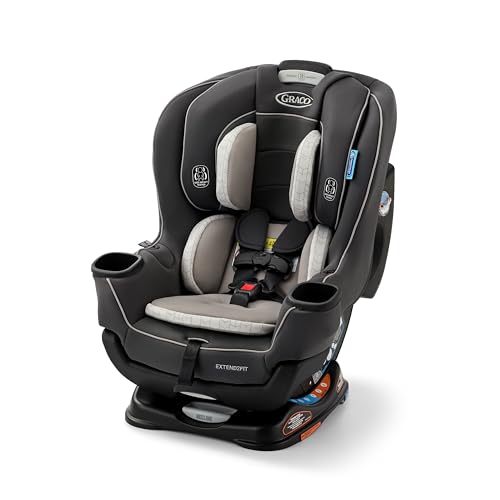
Although many parents think it's safe to switch their child to a forward-facing car seat at age one or 20 pounds, experts strongly advise keeping children rear-facing until they exceed the car seat's height or weight limits. The Graco Extend2Fit Convertible Baby Car Seat, for example, allows extended rear-facing use up to 50 pounds, which offers significantly more protection during early childhood.
Child passenger safety technicians emphasize the benefits of extended rear-facing car seats because they considerably reduce injury in the event of a crash.
Here are common safety myths debunked:
- Rear-facing seats cause discomfort—children adapt and find safe, comfortable positions.
- Legroom is a safety concern—legs can safely cross or rest over sides without harm.
- Children outgrow rear-facing seats too quickly—many seats support up to 40–50 pounds.
- Forward facing is safer—rear-facing seats better protect head and spine with superior safety features.
Prioritize your child’s safety by trusting expert recommendations.
Leg Injury Concerns
Despite common concerns about leg injuries from rear-facing car seats, evidence shows these worries are largely unfounded.
Many parents fear their children’s legs might get hurt if they touch the back seat, but research confirms leg injury in rear-facing seats is rare.
Children naturally position their legs comfortably—sometimes crossing or resting them along the sides—without compromising safety.
Rear-facing car seats offer a critical safety feature by absorbing crash forces, protecting children’s head, neck, and spine more effectively than forward-facing seats.
Experts recommend keeping children rear-facing until they reach the maximum limits of their seat, often well beyond age two.
Choosing extended rear-facing car seats guarantees you prioritize your child’s protection, debunking misconceptions and supporting safer travel for young passengers.
Comparing Rear-Facing and Forward-Facing Crash Dynamics
When you compare rear-facing and forward-facing car seats, the differences in crash dynamics become strikingly clear.
Rear-facing car seats distribute crash forces evenly along the seat shell, greatly reducing the risk of severe injuries to your child’s head, neck, and spine. In contrast, forward-facing seats expose these vulnerable areas to higher forces, increasing injury risk despite harness use.
Consider these key points:
- Rear-facing car seats cradle and support the child’s entire body against the seat back.
- Forward-facing seats allow greater forward motion, stressing the neck during a crash.
- Studies show extended rear-facing considerably lowers severe injury rates in frontal impacts.
- Children under 4 benefit most from extended rear-facing for ideal safety.
Choosing extended rear-facing seats prioritizes your child’s protection in real-world crashes.
Guidelines for Transitioning to Forward-Facing Seats
Before switching your child to a forward-facing seat, you need to make sure they've outgrown the rear-facing limits, usually around 40 to 50 pounds. The American Academy of Pediatrics advises keeping children rear-facing until at least age two or until they exceed the child car seat’s maximum weight or height. Forward-facing seats use a five-point harness but provide less protection for the head and spine. Always check your car seat manual for specific weight limits and installation details.
| Criteria | Recommendation |
|---|---|
| Rear-facing maximum weight | Typically 40-50 pounds |
| Recommended age | At least 2 years |
| Harness position | Just above shoulders |
| Headrest adjustment | Must fit snugly for protection |
Transition only when these guidelines are met to confirm safety.
Features to Look for in Extended Rear-Facing Car Seats
Choosing the right extended rear-facing car seat means focusing on key features that guarantee safety and comfort for your child.
When evaluating options, consider these essential aspects:
- Height and weight limits: Opt for seats supporting up to 50 lbs or more, allowing prolonged use and better crash protection.
- Safety features: Look for anti-rebound bars and lower tethers that stabilize the seat during impact. Some models offer side impact features that provide enhanced protection in the event of a collision.
- User-friendly installation: Confirm clear instructions, LATCH compatibility, and easy strap adjustments to secure the seat properly.
- Comfort features: Prioritize generous legroom and padding so your child remains comfortable while staying rear-facing longer.
Recommended Car Seat Models for Extended Rear-Facing
When choosing an extended rear-facing car seat, you’ll want to compare models based on their safety features, weight, and height limits.
Seats like the Clek Foonf, Graco Extend2Fit, and Nuna Rava each offer unique advantages for keeping your child secure as they grow.
Understanding these differences helps you pick the best option for your family’s needs.
Top Extended Rear-Facing
Although extended rear-facing car seats vary in features, several models stand out for their safety, comfort, and practical design. Choosing the right rear-facing seats supports your child passengers’ safety throughout their car seat journey. When evaluating options, consider models that offer extended rear-facing safety, provide adjustable comfort features, and are easy to install and maintain.
- Clek Foonf: Supports rear-facing up to 50 lbs or 44 inches, with an anti-rebound bar for crash stability.
- Graco Extend2Fit: Offers rear-facing use until 50 lbs or 49 inches and includes a leg extension for long legs.
- Diono Radian Family: Allows extended rear-facing to 50 lbs, with a narrow profile for easier vehicle installation.
- Nuna Rava: Known for safety features and comfort, supports rear-facing up to 50 lbs.
These models balance critical safety features and comfort, ensuring your child passengers remain protected during extended rear-facing.
Installation Tips for Extended Rear-Facing Car Seats
To install your rear-facing car seat correctly, start by setting the recline angle between 30 and 45 degrees, as specified in the manual.
This angle supports your child’s head and neck effectively. Use either the vehicle seat belt or lower anchors to secure the convertible seat, strictly following the manufacturer’s installation guidelines to maximize safety.
After installation, check for less than one inch of movement at the base when you tug it.
Adjust the harness straps so they sit just above your child’s shoulders, ensuring a snug, twist-free fit.
If available, attach the top tether for added stability, reducing forward movement during a crash.
Careful installation of your rear-facing car seat is essential to protect your child and serve their safety needs reliably.
Properly installing your rear-facing car seat is crucial for your child’s safety and peace of mind.
Resources and Support for Parents Choosing Rear-Facing Seats
You can get personalized help from certified technicians to guarantee your rear-facing seat is installed correctly and safely.
Educational courses like the Infant and Convertible Courses offer practical guidance to keep your child secure during the shift.
Taking advantage of these resources helps you make informed decisions and follow best practices for extended rear-facing safety.
Certified Technician Consultations
Although choosing the right rear-facing car seat can feel overwhelming, certified technician consultations offer invaluable support to affirm your child's safety.
These experts guide you to secure ideal child protection by verifying proper installation and usage. When you engage with certified technicians, you benefit from:
- Personalized consultations to confirm compliance with height and weight limits.
- Professional assessments, often available for free at facilities like Primary Children’s Hospital.
- Clear explanations that dispel myths surrounding rear-facing car seats.
- Enhanced parental confidence to prevent premature forward-facing changes.
Educational Car Seat Courses
Building on the guidance from certified technicians, educational car seat courses offer parents practical knowledge and skills to guarantee their child's safety with extended rear-facing seats.
These courses teach you the correct installation methods, ensuring your child in a rear-facing seat is secured properly to maximize protection. They emphasize keeping your child rear-facing as long as possible, aligned with the latest safety recommendations on weight and height limits.
Many programs include hands-on training and provide access to online resources like webinars and instructional videos. Additionally, local hospitals and organizations offer free car seat checks by certified technicians, giving you extra confidence in your installation.
By engaging in educational car seat courses, you equip yourself to serve others by promoting best practices and safeguarding children during every ride.
Frequently Asked Questions
What Are the Benefits of Extended Rear-Facing Car Seats?
You’ll meet safety standards by following age recommendations, enhancing your child’s comfort level and developmental benefits. Extended rear-facing seats reduce injury per accident statistics; just guarantee proper installation guidelines to keep your little one protected and secure.
Why Should You Extend Your Rear Face?
You should extend rear-facing to meet safety standards, support child development, and reduce injury per accident statistics. With proper installation techniques and parental guidance, comfort levels remain high, ensuring your child’s protection and well-being.
When to Switch to a Bigger Rear-Facing Car Seat?
You should shift when your child nears weight limits (40-50 lbs), shows signs like outgrowing height, or reaches age recommendations. Follow safety guidelines and expert opinions to guarantee a timely, cautious switch for ideal protection.
Should You Keep Your Child Rear-Facing as Long as Possible?
Of course, you'd ignore child safety and car seat guidelines, but accident statistics and parental recommendations clearly favor keeping your child rear-facing as long as possible, considering age and developmental benefits to protect their fragile neck and spine effectively.
Final Thoughts
Choosing an extended rear-facing car seat isn’t just a choice—it’s a shield of safety for your little one. By keeping your child rear-facing longer, you’re protecting their delicate head, neck, and spine like a fortress against impact. Don’t let misconceptions steer you wrong; know the weight and height limits and pick features that fit your family. With careful installation and the right support, you’re giving your toddler the safest ride possible—because their safety is your greatest journey.
If you want to know other articles similar to Why Choose Baby Car Seats With Extended Rear Facing? you can visit the Baby Car Seats category.
What Are the Best Baby Car Seats for Small Cars?

Why Choose Baby Car Seats Under $100?

How to Use Rotating Baby Car Seats Safely

Why Choose FAA Approved Car Seats for Airplanes?

10 Tips for Choosing the Best Convertible Car Seat

10 Tips for Rear Facing Car Seat Installation

What Are the Easiest Baby Car Seat Covers to Clean?

10 Tips for Choosing High Weight Limit Car Seats

Top 3 Baby Car Seats Compatible With Strollers
This is also interesting