






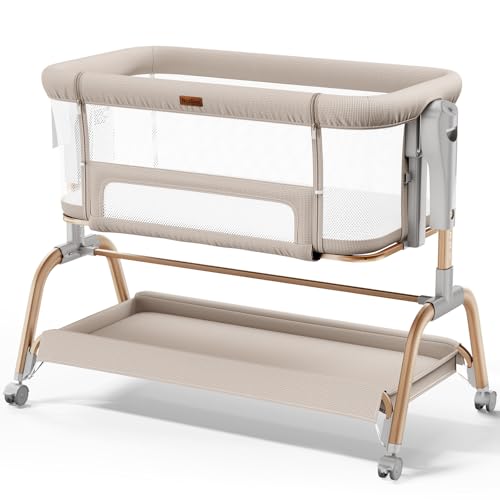


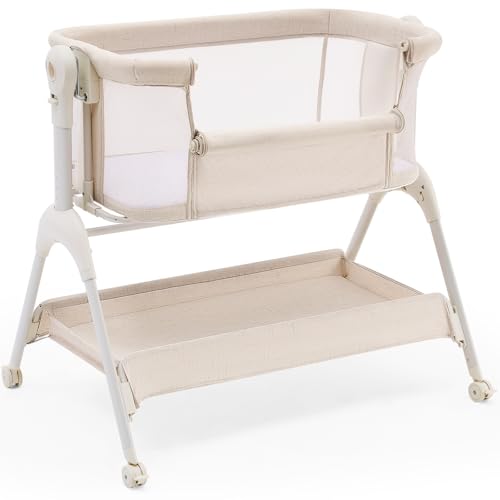




Top-Rated Sleep Solutions for Reflux Relief


To relieve your infant’s reflux symptoms during sleep, choose a bassinet with adjustable incline features to keep your baby elevated about 30 degrees, reducing acid backflow safely. Make sure the bassinet has a firm, breathable mattress and meets strict safety standards to prevent suffocation risks. Use positioning strategies like left-side sleeping and avoid feeding right before lying down for better digestion. If symptoms persist or worsen, consult your pediatrician. You can explore further evidence-based strategies to optimize your baby’s reflux care and sleep.
Table
- Main Points
- Understanding Acid Reflux in Infants
- Causes of Reflux in Babies
- Common Symptoms of Infant Reflux
- Health Risks Associated With Baby Reflux
- How Reflux Affects Infant Sleep Patterns
- Importance of Sleep Position for Reflux Babies
- Features to Look for in Bassinets for Reflux Babies
- Top Bassinet Designs That Help With Reflux
- Benefits of Inclined Bassinets for Reflux Relief
- Safety Considerations When Choosing a Bassinet
- Tips for Creating a Reflux-Friendly Sleep Environment
- When to Consult a Pediatrician About Infant Reflux
- Caring for Your Baby During Reflux Episodes
- Frequently Asked Questions
- Final Thoughts
Main Points
- Elevate the baby's head of the crib by about 30 degrees to reduce acid reflux during sleep safely.
- Position infants on their left side to minimize reflux symptoms while avoiding soft bedding or pillows in the crib.
- Use bassinets with adjustable incline features, firm mattresses, and breathable materials to support safe, reflux-friendly sleep.
- Keep the baby upright for at least 30 minutes after feeding to aid digestion and reduce nighttime reflux episodes.
- Maintain consistent sleep schedules and avoid feeding immediately before bedtime to decrease the risk of reflux flare-ups.
Understanding Acid Reflux in Infants
Although acid reflux, or gastroesophageal reflux (GER), affects nearly half of all infants within their first year, it typically resolves with age.
You’ll notice symptoms of acid reflux such as spitting up, irritability, and discomfort after feeding. In more severe cases, gastroesophageal reflux disease (GERD) may cause poor weight gain or respiratory issues.
To provide acid reflux relief, healthcare providers often recommend positioning strategies—keeping your baby upright during and after feeds can reduce reflux episodes.
However, it’s essential to balance this with safe sleep practices; sleeping on the back remains the safest position to lower the risk of sudden infant death syndrome (SIDS).
When lifestyle modifications aren’t enough, providers may suggest thickened feedings or medications to manage symptoms effectively.
Causes of Reflux in Babies

You’ll notice that reflux in babies often stems from their immature digestive system, especially the underdeveloped lower esophageal sphincter that normally prevents stomach contents from flowing backward.
How you feed your baby also plays a key role—overfeeding or feeding positions can increase reflux episodes by promoting air swallowing and stomach pressure.
Understanding these factors helps you manage feeding practices to reduce reflux and improve your baby’s sleep comfort.
Infant Digestive Development
Because an infant’s digestive system is still maturing, the lower esophageal sphincter (LES) often lacks the strength to prevent stomach contents from flowing back into the esophagus, leading to gastroesophageal reflux (GER). This immaturity causes infant reflux, manifesting as spitting up and discomfort after meals. Understanding these developmental aspects helps you support infants experiencing GER effectively.
| Factor | Description | Impact on Reflux |
|---|---|---|
| Lower Esophageal Sphincter | Immature, weak muscle ring | Allows stomach contents to reflux |
| Age | Most affected under 3 months | Peak incidence of reflux |
| Symptoms | Spitting up, irritability, discomfort | Signs to monitor |
| Pediatrician Consultation | Recommended if symptoms persist | Guarantees proper diagnosis |
When symptoms persist, consulting a pediatrician guarantees targeted care and relief.
Feeding Practices Impact
When you feed a baby too quickly or offer large volumes in one sitting, you increase the pressure on their immature stomach, raising the risk of acid reflux.
These feeding practices can overwhelm their developing digestive systems, causing stomach contents to flow back into the esophagus. Additionally, feeding right before lying down worsens nighttime reflux due to reduced gravitational assistance. Choosing a bassinet with an incline feature can help reduce spit-up and provide additional reflux relief for babies.
To minimize reflux, keep your infant in an upright position for at least 30 minutes post-feeding, allowing gravity to aid digestion and reduce acid exposure.
Avoid introducing solids prematurely or offering acidic foods, as these can trigger reflux symptoms.
By understanding and adjusting feeding practices, you actively support your baby’s comfort and promote healthier sleep patterns by reducing episodes of reflux and acid reflux during critical rest periods.
Common Symptoms of Infant Reflux

You’ll notice infant reflux through frequent spitting up, irritability during feedings, and arching of the back.
These symptoms often disrupt feeding patterns and sleep, requiring targeted soothing techniques to ease discomfort.
Recognizing these indicators early helps you manage reflux effectively and support your baby’s rest.
Infant Reflux Indicators
Although infant reflux affects about half of babies under three months, recognizing its symptoms early can help you manage your child's comfort and health effectively.
Common infant reflux symptoms include frequent spitting up, vomiting, and irritability during or after feeding. You might notice your infant arching their back, clenching fists, or showing a stiff body—signs indicating discomfort. Choosing a crib mattress made from hypoallergenic, breathable materials can help reduce nighttime irritation for sensitive infants.
Difficulty feeding and poor weight gain may also signal reflux issues. In some cases, respiratory symptoms like coughing or wheezing emerge due to aspiration of stomach contents.
While mild reflux often resolves without intervention, persistent or severe symptoms warrant prompt pediatrician consultation. Early identification guarantees appropriate management strategies are implemented, optimizing your infant’s feeding tolerance and overall well-being.
Staying vigilant about these indicators empowers you to support your child’s health effectively.
Feeding and Reflux
Since infant reflux causes stomach contents to flow back into the esophagus, you may notice symptoms like spitting up, irritability during feeding, and difficulty feeding.
Infant reflux often leads to arching of the back, excessive crying, and sometimes refusal to eat, signaling discomfort. Choosing a breathable crib mattress can help enhance your baby’s comfort and safety during sleep, especially if reflux disrupts rest.
To promote comfort and reduce symptoms, implement feeding strategies such as smaller feedings more frequently. This approach helps minimize stomach volume and reflux episodes.
Your pediatrician might recommend thickened formula, which can reduce regurgitation by increasing milk viscosity.
While many infants improve as their digestive system matures, persistent or severe symptoms, including poor weight gain or feeding aversion, require prompt medical intervention.
Monitoring feeding patterns closely guarantees early identification of complications, allowing timely support for the infant’s nutrition and overall well-being.
Soothing Techniques for Reflux
When managing infant reflux, employing effective soothing techniques can greatly reduce discomfort and improve feeding tolerance.
Infant reflux, marked by GERD symptoms such as irritability, arching, and coughing, requires attentive care. To alleviate these signs, you should:
- Keep the baby upright for 20-30 minutes after feedings to minimize reflux episodes.
- Practice frequent burping during feeds to release trapped air and reduce pressure.
- Offer smaller, more frequent feedings to ease digestion and decrease reflux severity.
- Monitor symptoms closely and consult a pediatrician if signs persist or worsen, ensuring appropriate evaluation and treatment.
For parents managing reflux on outings, using products with adjustable safety features—like those found in certain double strollers—can add comfort and security for both infants and caregivers. Applying these evidence-based soothing techniques can support the infant’s comfort and promote better sleep, essential for healthy development and reflux relief.
Health Risks Associated With Baby Reflux

Understanding the health risks associated with baby reflux is essential for timely intervention and care.
Gastroesophageal reflux (GER) affects about half of infants under three months, with most cases resolving naturally. However, severe reflux can cause feeding difficulties and poor weight gain due to esophageal inflammation from acid exposure.
If untreated, it may lead to complications like esophagitis and respiratory issues, including aspiration pneumonia. You must monitor symptoms closely and collaborate with healthcare providers to assess severity.
Persistent reflux often necessitates lifestyle changes such as feeding modifications or positioning adjustments. In some cases, medication prescribed by professionals is vital to prevent long-term harm.
Your attentive management helps mitigate risks, ensuring the infant’s health and comfort while supporting effective reflux relief strategies.
How Reflux Affects Infant Sleep Patterns

If your infant shows signs like excessive crying, back arching, or irritability during sleep, they may be experiencing reflux-related discomfort.
This discomfort often disrupts sleep by causing frequent awakenings and difficulty returning to sleep.
Understanding these symptoms and their link to reflux can help you address the underlying causes of sleep disturbances.
Infant Reflux Symptoms
Infant reflux, medically termed gastroesophageal reflux (GER), impacts up to 30% of infants and greatly disrupts their sleep patterns.
You’ll notice symptoms like frequent regurgitation and discomfort during sleep, often caused by acid exposure irritating the esophagus. This irritation leads to disrupted sleep, making it difficult for infants to rest soundly. Many infants benefit from being propped up during sleep, which can reduce reflux episodes.
Typical infant reflux symptoms include:
- Excessive crying and irritability linked to discomfort
- Arching of the back during or after feedings
- Frequent waking due to acid exposure-induced pain
- Milk or formula regurgitation, especially after feeding
Recognizing these symptoms helps you support infants experiencing reflux and improve their overall sleep quality.
Sleep Disruptions Causes
Reflux symptoms, such as frequent regurgitation and discomfort, directly interfere with your baby's ability to maintain restful sleep.
Infants with Gastroesophageal reflux disease (GERD) often experience significant sleep disruptions due to acid reflux symptoms causing pain and distress.
Studies show nearly 50% of infants face reflux, peaking between 1 to 4 months, resulting in shorter sleep durations and frequent awakenings.
These disruptions manifest as crying episodes, back arching, and resistance to lying flat, which degrade sleep quality and affect overall development.
Implementing positioning strategies, such as keeping your baby upright post-feeding and using wedge pillows, can alleviate reflux severity.
These evidence-based interventions help reduce discomfort, promote longer sleep periods, and improve both infant and caregiver well-being by minimizing reflux-induced sleep disturbances.
Importance of Sleep Position for Reflux Babies
Because sleep position directly influences acid flow, placing your baby on their left side can considerably reduce reflux episodes by leveraging gravity to keep stomach contents down.
This position helps minimize discomfort and promotes better sleep quality. To optimize reflux management during sleep, consider these key points:
- Elevate the head of the crib by about 30 degrees to further reduce reflux symptoms.
- Avoid placing your baby on their back if they've severe reflux, as this can worsen acid flow.
- Never use soft bedding or pillows in the crib to prevent suffocation risks.
- Always consult your pediatrician to tailor sleep position strategies to your baby’s specific needs.
Features to Look for in Bassinets for Reflux Babies
When choosing a bassinet for a baby experiencing reflux, you’ll want to prioritize features that directly support safe and comfortable sleep. An adjustable incline feature is fundamental, as elevating the baby's head helps reduce reflux symptoms by minimizing acid backflow into the esophagus. Confirm the bassinet has a sturdy base and wide, stable design to prevent tipping, which is essential for safety. Opt for breathable materials combined with a firm mattress to provide proper support and reduce suffocation or overheating risks. Removable and washable covers facilitate hygiene maintenance, crucial for reflux care. Additionally, a design that promotes a comfortable sleeping position while allowing easy portability supports consistent care. Selecting these evidence-based features helps you serve your baby’s health and comfort effectively.
Top Bassinet Designs That Help With Reflux
Many bassinets designed to alleviate infant acid reflux incorporate an inclined sleeping surface, typically elevating the baby's head by about 30 degrees, which clinical studies show helps reduce acid backflow into the esophagus.
When selecting top bassinet designs that help with reflux, consider models that combine several evidence-based features to enhance sleep and comfort. For instance, choosing bassinets with full-mesh sides can improve airflow and visibility, supporting both safety and comfort for infants experiencing reflux.
Look for bassinets offering:
- Adjustable height settings for caregiver convenience and reflux relief
- Breathable materials ensuring infant safety and airflow
- Soothing motion, such as gentle rocking or vibration, to calm the baby without compromising elevation
- Superior support through ergonomically designed sleep surfaces adapting to infant movements
These components synergistically promote reflux relief while maintaining safety and comfort, providing a clinically sound sleep environment for infants prone to acid reflux.
Benefits of Inclined Bassinets for Reflux Relief
Although reflux can disrupt your infant's sleep and comfort, inclined bassinets offer a practical solution by elevating the baby's head to approximately 30 degrees, a position supported by research to reduce acid backflow. By using inclined bassinets, you help minimize reflux episodes, improving your baby's sleep quality and reducing nighttime discomfort. Adjustable features allow you to tailor the incline to your infant's needs, enhancing comfort and effectiveness. Many modern bassinets, such as those with height adjustability and benefits, also provide additional safety and convenience for parents seeking versatile sleep solutions for their babies.
| Benefit | Description | Impact |
|---|---|---|
| Acid reflux control | Elevation uses gravity to reduce acid backflow | Fewer reflux episodes |
| Adjustable features | Customize incline based on severity | Optimized sleep positioning |
| Sleep quality | Less discomfort leads to longer, restful sleep | Improved well-being for infant |
Inclined bassinets serve as an evidence-based intervention to support infants struggling with acid reflux.
Safety Considerations When Choosing a Bassinet
Selecting an inclined bassinet that effectively reduces reflux symptoms requires careful attention to safety standards established by the Consumer Product Safety Commission (CPSC). You must prioritize a firm mattress that fits snugly without gaps to minimize suffocation risks. Avoid soft bedding and toys to reduce the chance of Sudden Infant Death Syndrome (SIDS). Stability is critical; confirm the bassinet has a solid base and no sharp edges or protrusions that could injure your baby. Additionally, regularly verify if the model has any recalls, as safety criteria evolve and products may present unforeseen hazards. Drawing from the tip-resistant safety design of top-rated cribs, prioritize bassinets that have undergone rigorous stability testing for added peace of mind.
Key safety considerations include:
- Compliance with CPSC safety standards
- Firm, flat mattress with no gaps
- Stable base free from sharp edges
- Up-to-date recall status to prevent risks related to SIDS
Tips for Creating a Reflux-Friendly Sleep Environment
To reduce reflux symptoms during sleep, you should elevate the head of the bed by 6 to 8 inches or use a wedge pillow, which helps prevent stomach acid from rising into the esophagus.
Additionally, encourage sleeping on the left side; this position uses gravity to minimize nighttime acid reflux by keeping stomach contents lower.
Creating a reflux-friendly sleep environment means maintaining hypoallergenic, clean bedding to reduce respiratory irritation linked to reflux.
You should also avoid heavy meals, caffeine, and alcohol at least three hours before bedtime to further decrease reflux risk.
Finally, establishing a consistent sleep schedule and calming bedtime routine supports overall sleep quality, providing sustained reflux relief.
These evidence-based strategies optimize comfort and reduce reflux episodes effectively.
When to Consult a Pediatrician About Infant Reflux
Managing reflux through sleep adjustments can provide relief, but infant reflux requires careful observation to determine when medical input is necessary.
Adjusting sleep can ease reflux, but careful monitoring is essential to know when to seek medical advice.
You should consult a pediatrician if your baby shows severe symptoms or if reflux interferes with their well-being. Early medical evaluation helps identify complications and guides appropriate treatment options.
Seek pediatric advice if your infant exhibits:
- Persistent vomiting or poor weight gain
- Difficulty feeding or signs of dehydration
- Irritability or discomfort during or after feeding
- Respiratory issues like coughing, wheezing, or recurrent pneumonia
A pediatrician can recommend lifestyle modifications and, if needed, prescribe medications to manage symptoms effectively.
Timely consultation guarantees your infant receives tailored care, promoting health and comfort while addressing reflux concerns thoroughly.
Caring for Your Baby During Reflux Episodes
Although infant reflux is common, affecting up to 50% of babies in their first year, caring for your baby during reflux episodes requires specific strategies to ease discomfort and reduce symptoms.
Feed smaller, more frequent meals to minimize acid reflux by preventing stomach overfilling. After feeding, hold your baby upright for 30 minutes to promote digestion and use gravity to keep acid in the stomach.
When sleeping, position your baby on their left side, as this orientation supports better digestion and reduces acid backflow into the esophagus.
Monitor symptoms closely, and if reflux worsens or persists, consult a pediatrician promptly. They can provide tailored advice on feeding techniques, sleeping positions, or medical interventions to guarantee your baby’s comfort and health during reflux episodes.
Frequently Asked Questions
What Is the Best Sleep Aid for GERD?
You should combine natural remedies, dietary changes, and lifestyle modifications like elevating your upper body and sleeping on your left side. Medication options can help, but expert advice guarantees personalized, evidence-based approaches for effective GERD relief.
What's the Best Way to Sleep to Stop Acid Reflux?
To reduce acid reflux, adopt a left-side sleep position, elevate your body 6-8 inches using a wedge pillow, choose a medium-firm mattress, and maintain healthy sleeping habits with a consistent nighttime routine avoiding late meals.
What Is the Best Thing to Take at Night for Acid Reflux?
You should try over the counter medications like H2 blockers or PPIs, combined with natural remedies, dietary changes, lifestyle modifications, bedtime routines, and elevation techniques to effectively reduce nighttime acid reflux symptoms and support others’ well-being.
What Is the Best Bed for People With Acid Reflux?
You’ll benefit from adjustable beds with memory foam that contour your body, paired with wedge pillows to elevate your torso. Opt for medium-firm mattress firmness and maintain proper sleep position, ensuring temperature control to reduce reflux symptoms effectively.
Final Thoughts
As you navigate your baby’s reflux challenges, you’ll find that creating a safe, reflux-friendly sleep environment not only soothes symptoms but also supports healthier sleep patterns—coincidentally, the very foundation for their growth and development. By understanding causes, recognizing symptoms, and knowing when to seek pediatric advice, you’re equipped to reduce risks effectively. Remember, consistent care during reflux episodes aligns with evidence-based practices that promote both comfort and long-term infant well-being.
If you want to know other articles similar to Top-Rated Sleep Solutions for Reflux Relief you can visit the Bassinets category.
How to Choose an Organic Non-Toxic Sleep Space

What Are the Best Sleep Solutions for Twins?

What Are the Safest Sleep Practices for Infants?

5 Best Sleep Solutions for C-Section Moms

Bassinet Vs Crib: Best Sleep Option for Newborns

Best Portable Bassinets for Travel in 2024

How to Choose a Modern Baby Sleeper

How to Choose the Best Bassinet for Small Spaces

How to Choose Baby Sleepers for High Beds
This is also interesting