




Why Choose Baby Monitors With Breathing Monitor?


Choosing a baby monitor with a breathing monitor means you get real-time alerts if your baby stops breathing or moving, giving you peace of mind and quicker responses to potential issues like SIDS. These monitors come in various types—wearable, sensor pads, and audiovisual—offering accurate, continuous tracking to protect your little one. They also often connect to apps for easy monitoring anytime. Keep going to discover which features suit your baby’s needs best and how to use them safely.
Table
- Main Points
- Understanding the Function of Baby Breathing Monitors
- Benefits of Monitoring Baby’s Breathing Patterns
- Types of Baby Breathing Monitors Available
- Key Features to Look for in a Breathing Monitor
- When Is a Baby Breathing Monitor Recommended?
- Addressing Common Concerns and False Alarms
- Safety Guidelines for Using Breathing Monitors
- Integration With Other Baby Monitoring Devices
- How Breathing Monitors Support Parental Peace of Mind
- Choosing the Right Monitor Based on Your Baby’s Needs
- Frequently Asked Questions
- Final Thoughts
Main Points
- Baby monitors with breathing monitors provide real-time alerts for irregular breathing, enhancing infant safety and reducing SIDS risk.
- Continuous respiration tracking offers parents peace of mind with proactive health insights and timely responses.
- These monitors often include temperature sensors and multiple alert types for comprehensive sleep environment monitoring.
- Integration with smartphone apps enables convenient remote monitoring and customizable notifications for active parents.
- Different types, including wearable and under-mattress options, offer flexible, comfortable solutions tailored to baby and family needs.
Understanding the Function of Baby Breathing Monitors
Although baby breathing monitors can't guarantee prevention of Sudden Infant Death Syndrome (SIDS), they play an essential role in tracking your baby's respiration and movement.
These devices continuously monitor the baby’s respiration rate and detect any lack of movement, typically alerting you if no breathing or motion is sensed for about 20 seconds.
Baby breathing monitors come in various forms—wearable devices, sensor pads, or audiovisual systems—allowing you to choose what best fits your needs. Many modern monitors also offer crystal-clear night vision, as well as portable designs and extended battery life for convenient use throughout the night.
While especially valuable for premature or health-compromised infants, they also offer features like temperature tracking and alerts for unusual sleeping positions.
Using these monitors helps you stay attentive to your baby’s well-being, empowering you to respond promptly and provide the safest care possible.
Benefits of Monitoring Baby’s Breathing Patterns

Monitoring your baby’s breathing patterns offers more than just data—it provides real-time alerts when irregularities like prolonged pauses occur, allowing you to act quickly if your baby shows signs of distress. Using a baby breathing monitor can help reduce the risk of complications and soothe your anxiety, especially during sleep. While these devices don’t prevent SIDS, they give you peace of mind by continuously tracking essential signs and notifying you instantly.
| Benefit | Description | Impact |
|---|---|---|
| Real-time Alerts | Detects irregular breathing patterns | Enables rapid response |
| Continuous Tracking | Monitors breathing and sleep position | Enhances baby’s safety |
| Parental Reassurance | Reduces anxiety about SIDS risks | Improves emotional well-being |
| Health Management | Connects to apps for detailed insights | Supports proactive care |
Types of Baby Breathing Monitors Available

When you choose a baby breathing monitor, you’ll find several types designed to suit different needs and environments.
Selecting a baby breathing monitor involves choosing from various types tailored to your specific needs and surroundings.
Wearable devices attach to your baby’s clothing or diaper, tracking types of breathing through direct skin contact and sending alerts if irregularities arise.
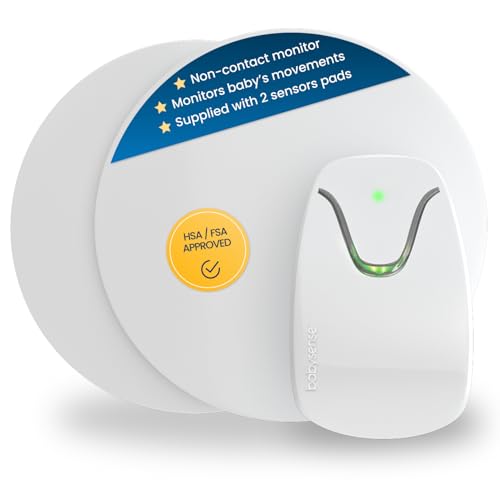
Sensor pads, placed under the crib mattress, detect breathing movements and trigger alarms if no movement is sensed for about 20 seconds, providing reliable, hands-off monitoring.
Audiovisual monitors combine video with breathing detection, letting you see your baby while staying informed about their respiratory patterns.
Some devices also monitor room temperature, ensuring a safe sleep environment.
For families on the go, travel-friendly wearable monitors offer portability without sacrificing safety.
By understanding these types of breathing monitors, you can confidently choose the best option to protect your child.
Key Features to Look for in a Breathing Monitor

Choosing the right baby breathing monitor means knowing which features truly make a difference in keeping your little one safe and comfortable. You want baby monitors that track breathing patterns accurately, offer multiple alert types, and connect seamlessly to your smartphone. Temperature monitoring is essential to prevent overheating, while user-friendly design guarantees your baby stays undisturbed. These features combined provide you with invaluable peace of mind. Many parents also appreciate the secure 2.4GHz FHSS technology found in top baby monitors, which protects your data and ensures privacy.
| Feature | Benefit |
|---|---|
| Multiple Alert Types | Instant notifications via vibration, sound, app |
| Temperature Monitoring | Alerts if baby is too warm |
| Easy Attachment | Comfortable fit without sleep disruption |
| Smartphone Connectivity | Real-time breathing and environment tracking |
When Is a Baby Breathing Monitor Recommended?

Why might you consider a baby breathing monitor for your little one?
If your infant was born prematurely or has health concerns like apnea or chronic lung disease, a baby breathing monitor can be vital. It helps track irregular breathing patterns, offering peace of mind and timely alerts.
Pediatricians often recommend these monitors for babies with conditions such as transient tachypnea or persistent pulmonary hypertension to enhance safety during sleep.
While healthy, full-term babies usually don’t need monitoring, parents worried about infant death syndrome (SIDS) or those who've experienced loss may find a monitor for your baby reassuring.
Hospitals sometimes provide these devices for home use, emphasizing the importance of individualized assessment to protect your baby’s well-being effectively.
Addressing Common Concerns and False Alarms
Although baby breathing monitors offer valuable peace of mind, they often trigger false alarms due to infants' natural breathing irregularities. Understanding these patterns and your monitor’s settings helps reduce unnecessary alerts and anxiety. Remember, no device can guarantee prevention of sudden infant death syndrome, so combine monitoring with safe sleep practices.
| Concern | Reality |
|---|---|
| False alarms | Common when baby shifts positions |
| Baby’s breathing | Naturally irregular, not always alarming |
| Monitor alerts | Triggered after 15-20 seconds of stillness |
| SIDS prevention | No definitive evidence from monitors |
Safety Guidelines for Using Breathing Monitors
To keep your baby safe, you need to place the breathing monitor correctly according to the manufacturer’s instructions and pediatric advice.
Regularly check the device to guarantee it’s working properly and familiarize yourself with emergency procedures, including CPR, so you’re ready if an alarm sounds.
Staying prepared and maintaining the monitor can give you confidence and help protect your little one effectively.
Proper Device Placement
When you place a breathing monitor correctly, you guarantee both your baby's safety and the device's effectiveness. Proper device placement is crucial to monitor baby breathing while sleeping accurately.
For under-mattress monitors, position them on a firm mattress foundation to detect movements without interference. If you use wearable monitors, clip them securely to your baby’s diaper or clothing—snug but comfortable—to guarantee reliable readings.
Always keep power cords and wires out of your baby’s reach to prevent hazards. Place the monitor where there are no obstructions to maintain ideal signal transmission and reduce false alarms.
Regularly check and adjust the device placement as your baby grows and their sleep habits change. This careful approach helps you protect your baby with confidence and care.
Emergency Preparedness Essentials
Since breathing monitors serve as critical early warning systems, you need to be fully prepared for any alarms they might trigger.
Emergency preparedness starts with familiarizing yourself and all caregivers with the monitor’s settings and monitor alerts. Make certain everyone knows how to respond calmly and confidently when an alarm sounds.
Keep emergency contact information and procedures accessible to enable a swift reaction. Regularly update CPR skills among caregivers so they’re ready to provide immediate aid if needed.
Sharing clear emergency protocols with everyone involved guarantees that responses are coordinated and effective. Practicing drills can also help maintain composure during real emergencies.
By prioritizing these safety guidelines, you protect your baby and empower caregivers to act promptly and effectively when the monitor signals a potential breathing issue.
Regular Maintenance Checks
Three key maintenance habits will keep your baby breathing monitor reliable and safe.
First, perform regular maintenance by checking battery life frequently, guaranteeing uninterrupted operation much like smoke detectors.
Next, test the monitor measures after setup and periodically to verify accurate detection of your baby's breathing patterns and movements.
Third, keep power cords safely tucked away to prevent hazards, and make sure no obstructions interfere with sensor function.
Additionally, update the device's software as recommended to maintain peak performance and security.
Don’t forget to clean the monitor and any wearable parts according to manufacturer guidelines to protect your baby’s health and the device’s longevity.
By committing to these regular maintenance checks, you’ll safeguard your baby’s safety with a breathing monitor that consistently performs at its best.
Integration With Other Baby Monitoring Devices
Although monitoring your baby’s breathing is essential, integrating this function with audio and video devices greatly enhances your overall monitoring experience. Breathing monitors that connect with baby monitors let you track your infant’s safe sleep environment effortlessly through one app. This integration offers real-time alerts, customizable settings, and compatibility with smart home systems, ensuring thorough care. For example, some modern monitors offer infrared night vision capabilities, allowing clear visuals even in complete darkness.
| Feature | Benefit | Result |
|---|---|---|
| Audio & Video Sync | Complete monitoring | Fewer missed alerts |
| Real-Time Smartphone Alerts | Immediate notification | Swift response to issues |
| Multi-Device Connection | Covers multiple areas | Enhanced safety |
| Customizable Settings | Tailored alerts | Personalized monitoring |
| Smart Home Compatibility | Holistic infant care | Integrated safe sleep support |
This synergy empowers you to maintain vigilance and foster your baby’s wellbeing with confidence.
How Breathing Monitors Support Parental Peace of Mind
You can greatly reduce anxiety by using a breathing monitor that alerts you if your baby stops breathing or shows no movement.
These devices enhance nighttime safety by sending real-time notifications directly to your smartphone, keeping you connected even when you're not in the same room.
With easy-to-use features that track breathing, temperature, and rollover, you’re empowered to provide informed, confident care throughout the night.
Reducing Parental Anxiety
When you rely on a baby breathing monitor, you gain real-time alerts for irregular breathing patterns that help you respond quickly to any potential issues during your infant’s sleep.
This immediate feedback can greatly reduce parental anxiety, especially if your baby has conditions like apnea or respiratory distress. The monitor’s gentle vibration after 15 seconds of no movement helps rouse your baby, giving you a proactive tool to manage breathing concerns.
Additionally, smartphone notifications keep you informed even when you’re in another room, offering continuous reassurance.
While these monitors don’t prevent SIDS, they provide an important layer of observation that empowers you to protect your baby’s well-being and feel more confident and less stressed as a caregiver.
Enhancing Nighttime Safety
Because your baby’s safety during sleep is paramount, baby monitors with breathing sensors offer essential real-time alerts if breathing stops for more than 20 seconds, giving you immediate notification to act.
These advanced baby monitors track breathing patterns, sleep position, and room temperature, ensuring your baby rests comfortably and safely. Many of these monitors also feature temperature sensor monitoring to help maintain the ideal environment for your baby’s sleep.
The gentle vibration alert of the breathing monitor can rouse your baby if irregular breathing is detected, providing an added safety layer without startling you.
With smartphone integration, you stay connected to your baby’s well-being from anywhere in the house, enhancing nighttime safety and easing your mind.
Choosing a device with a risk-free trial lets you confidently assess its effectiveness, so you can protect your little one with peace of mind.
Supporting Informed Caregiving
Although caring for a newborn can feel overwhelming, baby monitors with breathing sensors help ease your worries by providing constant, reliable updates on your infant’s respiration.
These baby breathing monitors enhance your monitoring capabilities, allowing you to stay informed and respond quickly if needed. They greatly reduce parental anxiety, especially when caring for high-risk infants.
Here’s how they support your caregiving:
- Alert you if no movement is detected for over 20 seconds, ensuring immediate attention.
- Track additional factors like temperature and rollover for thorough care.
- Send real-time notifications to your smartphone, keeping you connected even when apart.
- Free you to focus on bonding with your baby, confident that their breathing is safely monitored.
With this support, you provide informed, attentive care every step of the way.
Choosing the Right Monitor Based on Your Baby’s Needs
How do you choose the right baby monitor to meet your little one’s unique needs? Start by evaluating your baby’s needs—premature infants or those with health concerns often benefit from a breathing monitor for precise monitoring respiration. Consider device type: wearable for portability, under-the-mattress for accuracy, or audiovisual for combined video and breath detection. Budget and reliability matter too; read reviews to avoid false alarms that increase stress. Some baby monitors, such as those with secure FHSS technology, provide extra privacy and peace of mind for parents concerned about security.
| Baby’s Needs | Monitor Type | Key Benefit |
|---|---|---|
| Premature/Health Issues | Breathing monitor | Continuous respiration tracking |
| Active Parents | Wearable device | Portability and ease of use |
| Home Use | Under-the-mattress monitor | Accurate breathing detection |
| Visual Monitoring | Audiovisual monitor | Combined video and breath data |
| Budget Conscious | Various price options | Balance cost and features |
Frequently Asked Questions
Is It Worth Getting a Baby Breathing Monitor?
You’ll appreciate baby breathing monitors for enhancing baby safety and providing peace of mind. While technology benefits can’t replace safe sleep, these devices help you stay alert, especially if your baby has health concerns or needs extra monitoring.
Are Baby Breathing Monitors Recommended?
You should know baby breathing monitors are recommended mainly for infants with health risks, enhancing baby safety and sleep tracking. They offer parental peace but consult your pediatrician to guarantee the best care for your child.
What Is the Best Baby Monitor That Checks Breathing?
You’ll want a baby monitor with reliable breathing monitor features to guarantee baby sleep safety. Prioritize ones addressing monitor accuracy concerns, so you can confidently protect your little one and respond quickly if needed.
Do Doctors Recommend Owlet?
Think of Owlet as a guardian angel watching over your baby’s breathing. Doctors recommend it cautiously—its features offer reassurance, but they urge you to balance safety concerns with trusted guidelines and your pediatrician’s advice.
Final Thoughts
Choosing a baby monitor with a breathing monitor is like having a gentle guardian watching over your little one’s every breath. It offers you real-time reassurance, ensuring you catch any irregularities early. With the right features and safety guidelines, you’re not just monitoring—you’re creating a safer, calmer environment for your baby and yourself. Trust in these devices to turn anxiety into peace, so you can focus on cherishing every precious moment.
 3 Tips for Baby Monitors With Rechargeable Batteries
 Why Choose a Hypoallergenic Air Purifier for Newborns?
If you want to know other articles similar to Why Choose Baby Monitors With Breathing Monitor? you can visit the Baby Monitors category.
Why Choose Baby Monitors With Motion Detection?

What Are the Best Video Baby Monitors for Large Homes?

What Are the Best Non WiFi Baby Monitors?

7 Tips for Baby Monitors With Thick Walls

Best Baby Monitors With Two-Way Audio Features

5 Best Portable Baby Monitors for Travel

5 Tips for Choosing Baby Monitors for Twins

Best Baby Monitors for Multiple Rooms

10 Tips for Baby Monitors With Temperature Sensors
This is also interesting