













When to Transition Your Baby to a Crib


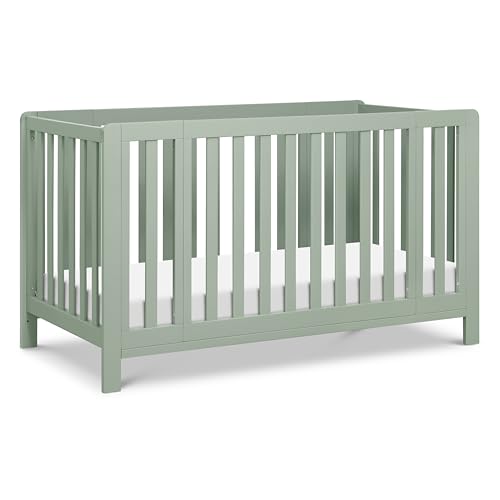
You should shift your baby to a crib around 4 to 6 months, when they start outgrowing the bassinet by rolling over, sitting up, or pushing against the sides. Most bassinets support up to 10-20 pounds or about 4 to 6 months old. Moving to a crib then provides more space and safety as your baby’s mobility grows. Ensuring a smooth shift with a consistent routine helps ease discomfort and encourages independent sleep. Learn helpful tips and safety guidelines to support this important change.
Table
- Main Points
- Can a Newborn Sleep in a Crib?
- How Long Can Babies Safely Use a Bassinet?
- Signs Your Baby Has Outgrown the Bassinet
- When Is It Safe to Move Baby to a Crib?
- Understanding Weight and Height Limits for Bassinets
- Developmental Milestones Indicating Crib Readiness
- Room Sharing Recommendations for Infant Sleep
- Preparing the Crib for Your Baby’s Arrival
- Introducing the Crib to Your Baby Gradually
- Strategies for a Smooth Transition From Bassinet to Crib
- Creating a Consistent Bedtime Routine During Transition
- Managing Baby’s Sleep Discomfort and Crying in the Crib
- Safety Guidelines for Infant Sleep Spaces
- Resources and Support for Parents During Sleep Transitions
- Frequently Asked Questions
- Final Thoughts
Main Points
- Transition your baby to a crib between 4 to 6 months or when they exceed bassinet weight or height limits.
- Move to a crib when your baby starts rolling, sitting up, or pushing up on hands and knees.
- Signs like touching bassinet sides or restricted movement indicate it's time for a crib.
- Frequent waking or discomfort in the bassinet suggests your baby needs a larger sleep space.
- Ensure the crib meets safety standards and place the baby on their back for safe sleep.
Can a Newborn Sleep in a Crib?
Wondering if your newborn can safely sleep in a crib right from the start? The answer is yes, as long as the crib meets safety guidelines.
The American Academy of Pediatrics supports using a crib for safe sleep from day one, recommending room-sharing for at least six months to keep your baby close while providing a secure environment. For additional peace of mind, consider choosing a crib mattress with breathable and non-toxic materials to further enhance your baby's safe sleep environment.
Make sure the crib has a firm mattress and flat surface, free of soft bedding or toys, to reduce risks. Always place your newborn on their back when sleeping.
Additionally, verify the crib complies with standards set by the Consumer Product Safety Commission to confirm safety.
Shifting your baby to a crib early can be both safe and practical for serving your newborn’s needs effectively.
How Long Can Babies Safely Use a Bassinet?

You can safely use a bassinet for about 4 to 6 months, but keep an eye on your baby’s growth and development.
Once they reach the bassinet’s weight or height limits, or start rolling over and pushing up, it’s time to make the switch.
Monitoring these signs helps guarantee your baby stays safe as they get more active.
Many bassinets also have specific usage limits based on weight or age, so always check the manufacturer’s guidelines to know exactly when your baby should transition to a crib.
Bassinet Usage Duration
Babies can safely use a bassinet for about four to six months, depending on their growth and development.
The bassinet usage duration varies based on the manufacturer's weight and height limits, which usually range between 10 to 20 pounds. Many modern bassinets, such as those with adjustable height settings, can help accommodate your baby's needs during these early months.
Following safety guidelines, you should plan the shift to a crib once your baby shows signs of outgrowing the bassinet, such as restricted movement or increased mobility.
Ensuring a safe sleeping environment is essential as your baby becomes more active, reducing the risk of falls.
Monitoring your baby’s comfort and space in the bassinet helps you identify when it’s time to switch.
By observing these factors, you can confidently create a safe and supportive sleep space tailored to your baby’s needs.
Safety Limits and Signs
Although bassinets offer a cozy and convenient sleeping space, they come with safety limits you should never overlook.
Most bassinets support babies up to 10 to 20 pounds or about 4 to 6 months old. The American Academy of Pediatrics recommends shifting your baby to a crib once they exceed these weight or height limits. Modern bassinets often feature adjustable height settings, allowing for better alignment with your bed and safer sleep transitions as your baby grows.
Watch for signs your baby has outgrown the bassinet—like their head or feet touching the sides, frequent waking due to cramped space, or new mobility skills such as rolling over or pushing up.
These signs indicate it’s time to move to a crib for safer sleep. By recognizing these safety limits and signs early, you’ll provide a secure environment that supports your baby’s growth and well-being.
Signs Your Baby Has Outgrown the Bassinet

You’ll know it’s time to move your baby to a crib when they exceed the bassinet’s weight limit, usually between 10 and 20 pounds.
Watch for signs like your baby frequently bumping against the bassinet’s sides or showing new mobility skills such as rolling or sitting up.
These developmental milestones mean your little one needs more space and safety than the bassinet can offer.
Additionally, many bassinets, including those with adjustable height settings, have a typical weight limit of around 20 pounds for safety.
Weight and Size Limits
When your little one starts bumping their head or feet against the sides of the bassinet, it’s a clear sign they’ve outgrown the space.
Most bassinets have a weight limit between 10 to 20 pounds, so checking the manufacturer’s guidelines helps you know when to shift your baby safely. Many parents find that cribs with adjustable mattress heights offer a smooth and safe transition as your child grows.
Along with size, watch for signs of rolling, which also indicate the need for more room.
If your baby seems restless or wakes frequently, they might be uncomfortable in the bassinet’s confined space.
To prioritize safety and comfort, it’s generally best to move from bassinet to crib by 4 to 6 months.
Moving your baby to a crib guarantees they've enough space to grow and sleep soundly, giving you peace of mind and your baby a comfortable sleep environment.
Developmental Milestones
Besides weight and size, your baby’s growing abilities also signal when it’s time to move on from the bassinet.
Developmental milestones like increased mobility and strength are clear signs you should consider the shift to a crib for safety. As your baby approaches 4 to 6 months of age, watch for these indicators:
- Rolling over or attempting to sit up, showing greater mobility
- Pushing up on hands and knees, increasing the risk of falling
- Frequent waking or discomfort from cramped space within the bassinet
Recognizing these signs helps you provide a safer sleep environment by moving your baby to a crib. Choosing a crib with a locking mechanism for safety can offer added peace of mind as your baby's mobility increases.
This shift not only accommodates their developmental progress but also guarantees their safety as they become more active.
When Is It Safe to Move Baby to a Crib?

How do you know the right moment to move your baby from a bassinet to a crib?
Shifting your baby typically happens between 4 to 6 months, guided by signs that indicate they’re ready. If your baby starts rolling over, sitting up, or pushing up on hands and knees, it’s time to switch to a crib during the day and night. Many parents find confidence in choosing a crib with adjustable mattress heights, which allows safe adaptation as their child grows.
The American Academy of Pediatrics recommends room sharing for at least six months but supports moving to a safe sleep environment once your baby outgrows the bassinet.
Always verify the crib meets safety standards, with a firm mattress, and place your baby on their back to sleep.
Following these recommendations for reducing infant deaths helps you create a secure and comfortable space for your growing little one.
Understanding Weight and Height Limits for Bassinets

Every bassinet comes with specific weight and height limits that you should follow closely to keep your baby safe. Most bassinets have weight limits between 10 and 20 pounds and height limits around 25 inches.
Once your baby approaches these limits, it’s time to take into account a change. You’ll notice signs like cramped space or your baby’s head or feet touching the bassinet sides—clear indicators they’re starting to outgrow it. The breathable mesh sides found in some modern bassinets can help parents monitor their baby’s positioning more easily as they approach these limits.
Keep these points in mind:
- Check the manufacturer’s specifications for exact weight and height limits.
- Monitor your baby’s growth regularly to spot when they near these limits.
- Change before your baby starts rolling over or sitting up to reduce fall risks.
Following these guidelines guarantees a safe, timely move from bassinet to crib.
Developmental Milestones Indicating Crib Readiness
When your baby starts sitting up independently or pushing up on their hands and knees, usually between 4 to 6 months, it signals they're ready to move to a crib.
These developmental milestones often coincide with exceeding the bassinet’s height or weight limits, typically between 10 to 20 pounds. At this stage, choosing a dual-sided firmness mattress can help support your baby's developing spine and provide comfort as they grow.
Rolling over or attempting to crawl also increases the risk of falls, making a crib a safer sleeping environment.
If your baby frequently wakes or seems cramped in the bassinet, these signs further indicate crib readiness.
For safety reasons, the American Academy of Pediatrics advises changing at these milestones to maintain a secure sleeping space.
Watching for these cues helps you provide the safest, most comfortable environment as your baby grows and develops.
Room Sharing Recommendations for Infant Sleep
Room sharing offers a proven way to reduce the risk of Sudden Infant Death Syndrome (SIDS) by keeping your baby close during their first six months.
The American Academy of Pediatrics recommends this practice to support Safe Sleep while promoting better infant sleep patterns.
To guarantee safety, always place your baby on a separate sleep surface like a crib or bassinet within your room.
As you consider the shift to a crib, keep these in mind:
- Use the crib for naps and nighttime sleep to gradually foster independence.
- Monitor your baby’s age and developmental milestones to decide when to move them to a separate room.
- Balance family dynamics and comfort, prioritizing safe sleep environments.
Preparing the Crib for Your Baby’s Arrival
Setting up your baby's crib properly lays the foundation for safe and comfortable sleep.
Start by choosing a crib that meets Consumer Product Safety Commission (CPSC) standards and fits a firm mattress snugly—this prevents gaps that could pose hazards.
Remove loose bedding, pillows, and stuffed animals to maintain a safe sleep environment and reduce suffocation risk.
Position the crib in your bedroom for easy monitoring, ideally using a baby monitor to stay connected.
Use sleep sacks instead of loose blankets to keep your baby warm safely.
Dim the lights and consider white noise to create a calming atmosphere.
These steps will support a smooth shift to crib sleeping, giving you confidence that your baby’s sleep space is secure and nurturing.
Introducing the Crib to Your Baby Gradually
Introducing your baby to the crib gradually can make a big difference in how smoothly they adapt to this new sleep space. You can ease the shift to the crib by starting with daytime naps, helping create a positive association with the new environment.
Implementing a consistent bedtime routine signals sleep time, making the crib feel familiar and comforting. Pay attention to your baby’s comfort level and adjust your approach as needed.
To support a smooth introduction:
- Begin with one crib sleep period daily, ideally an easier nap or bedtime.
- Spend 5–10 minutes of playful, upbeat time in the crib during the day.
- Increase crib sleep frequency gradually over several days.
This patient, step-by-step method helps your baby feel secure and confident in their new sleep space.
Strategies for a Smooth Transition From Bassinet to Crib
Moving your baby from the bassinet to the crib involves thoughtful steps that help them adjust comfortably.
Start by introducing naps in the crib during the day, so your baby begins to associate the new space with comfort and safe sleeping.
Keep bedtime routines consistent—include familiar activities like bathing or reading—to gently signal it’s time to sleep.
Place the crib initially in your room to ease the change before moving it to a separate space.
Watch for signs of readiness such as rolling over or sitting up, and make sure the crib is set up safely with a firm mattress and no loose bedding.
Expect some resistance; use soothing techniques like gentle patting or soft singing to help your baby feel secure as you shift your baby from bassinet to crib.
Creating a Consistent Bedtime Routine During Transition
While shifting your baby to a crib can feel challenging, creating a consistent bedtime routine helps signal that it’s time to sleep and provides comfort during this adjustment.
Establish calming activities like warm baths, reading, or singing lullabies to create a soothing environment. Start the routine at the same time each evening to develop a reliable sleep schedule.
Incorporate familiar elements from the bassinet routine, such as the same sleep sack, to ease the change. Gradually place your baby in the crib while drowsy but awake to encourage self-soothing.
- Keep the room dimly lit during the bedtime routine to promote calmness
- Use consistent calming signals to help your baby recognize sleep time
- Maintain familiar items to create a comforting sleep environment during change
Managing Baby’s Sleep Discomfort and Crying in the Crib
When your baby cries in the crib, it’s often because they’re adjusting to a new sleep environment and seeking comfort.
You can help by offering gentle reassurance like soft pats or soothing sounds while encouraging them to fall asleep independently.
Staying calm and consistent will support your baby’s confidence and ease their discomfort over time.
Understanding Crying Reasons
Why does your baby cry in the crib? Crying is a natural way your little one communicates discomfort or need for comfort during the change.
Understanding these cries helps you respond with care while allowing your baby to adjust and build security in the new sleep space.
Consider these common reasons for crying:
- Hunger, diaper change, or physical discomfort prompting your baby to seek soothing
- The need for reassurance as your baby adjusts to a new sleep environment
- Different cries signal different needs—fussy cries might mean mild discomfort, intense cries suggest urgent needs
Comforting Techniques That Work
As your baby adjusts to the crib, using comforting techniques can ease their discomfort and reduce crying. Allowing brief periods of crying helps your baby to learn self-soothe skills during this shift from a bassinet. Maintain a consistent bedtime routine with calming activities to signal sleep time and create a secure sleep environment. Gentle patting, soothing sounds, and monitoring room temperature further comfort your baby.
| Comforting Techniques | Purpose |
|---|---|
| Brief crying periods | Encourages self-soothe |
| Gentle patting/sounds | Calms restlessness |
| Consistent bedtime routine | Signals sleep time, reduces anxiety |
| Sleep environment control | Promotes calm and comfort |
These methods support your baby’s adjustment and foster independent sleep habits.
Encouraging Independent Sleep
Anyone shifting a baby to a crib will face some resistance, but encouraging your little one to fall asleep independently can build essential self-soothing skills.
To support the change to a crib, place your baby drowsy but awake, so they learn to soothe themselves. Expect some crying and offer gentle reassurance without immediately picking them up. Stay patient throughout this adjustment period.
To encourage independent sleep, focus on:
- Establishing a consistent bedtime routine with calming activities like warm baths or lullabies to reduce discomfort.
- Responding to crying with gentle patting or soft singing instead of immediate pickup.
- Monitoring progress over several days, understanding that adaptation takes time.
This approach fosters self-soothing skills and helps your baby confidently accept their new sleep environment.
Safety Guidelines for Infant Sleep Spaces
Although creating a safe sleep space for your baby might seem straightforward, following specific guidelines is essential to reduce the risk of sleep-related incidents.
The American Academy of Pediatrics recommends placing your infant on their back to sleep on a firm flat surface, which greatly lowers the risk of sleep-related deaths.
Ascertain that cribs, bassinets, or cradles meet the Consumer Product Safety Commission’s standards for safety.
Keep the infant sleep spaces clear of loose bedding, pillows, toys, or soft objects to prevent suffocation or entrapment.
Maintain the room temperature between 68 to 72 degrees Fahrenheit for comfort.
Regularly check for product recalls or safety notices to stay updated.
By adhering to these safety guidelines, you create a secure environment promoting safe sleep for your baby.
Resources and Support for Parents During Sleep Transitions
You can turn to professional sleep consultations and online parenting classes to get expert guidance tailored to your baby's needs.
Scheduling an appointment with your pediatrician guarantees you receive personalized advice and support throughout the crib changeover.
These resources help you feel confident and informed as you establish healthy sleep habits for your little one.
Professional Sleep Consultations
When shifting your baby to a crib, seeking professional sleep consultations can make a significant difference in managing challenges unique to your little one.
These consultations offer personalized guidance tailored to your baby’s specific needs, helping you establish healthy sleep habits that ease the adjustment. A pediatric sleep expert can support you in creating a consistent bedtime routine, which is essential for smoother sleep adjustments.
If unexpected sleep issues arise, professional consultations provide timely assistance and reassurance.
Consider these benefits of professional sleep consultations:
- Customized strategies addressing your baby’s unique sleep patterns
- Access to expert advice through in-person or online visits
- Support in developing and maintaining a calming, effective bedtime routine
Professional guidance empowers you to foster restful nights for both you and your baby.
Online Parenting Classes
Online parenting classes offer valuable support and expert guidance as you navigate your baby’s change to a crib. These classes help you recognize the right time for the shift from the bassinet, usually between 3 to 6 months, while teaching safe sleep practices aligned with AAP guidelines. You’ll learn how to establish a consistent bedtime routine and create a sleep environment that promotes healthy rest.
| What You’ll Learn | Benefits for Your Baby |
|---|---|
| Safe sleep practices | Reduced risk of sleep-related issues |
| Bedtime routine setup | Easier adjustment to crib |
| Sleep environment tips | Comfort and security |
With interactive Q&A sessions, you can address concerns, making the shift smoother for your family.
Pediatrician Appointment Access
How can you guarantee your baby’s sleep shift goes smoothly while addressing any concerns promptly?
Pediatrician appointments are essential during your baby’s sleep shift. Connecting with a trusted provider guarantees you get tailored medical advice to support infant health and comfort. You can reach Charita Csiky, M.D., FAAP, at 800-822-8905 for guidance specific to baby sleep challenges.
To make the most of pediatrician appointment access, consider:
- Utilizing 24/7 video visits for convenient, timely support during your baby’s sleep shift
- Exploring a network of over 9,500 providers to find the best fit for your family’s needs
- Subscribing to expert newsletters for ongoing tips that empower parents in managing infant health
This approach reassures you while prioritizing your baby’s well-being through every sleep shift.
Frequently Asked Questions
When to Transition a Newborn to a Crib?
You’ll notice shift signs like rolling or crawling, signaling readiness for a crib. Prioritize crib safety tips and a secure baby sleep environment. Compare crib types, establish consistent nighttime routines, and guarantee your parental readiness for a smooth change.
What Is a Good Age to Put a Baby in a Crib?
You’ll want to watch for crib change signs like rolling or crawling around 3–6 months. Prioritize crib safety tips, adjust baby room setup for comfort, and support sleep training methods to match evolving baby sleep patterns.
When Should a Baby Start Sleeping in Their Own Crib?
You should start your baby in their own crib around 4-6 months, using crib safety tips and comfort essentials. Follow sleep training methods, respect baby sleep patterns, establish nighttime routines, and apply gentle adjustments tips for smooth adaptation.
When Can You Stop Putting a Baby in a Bassinet?
You can stop using a bassinet once your baby outgrows it or shows rolling skills, ensuring bassinet safety. Shifting to crib comfort supports baby sleep, sleep training, and a stable nighttime routine, respecting parent preferences.
Final Thoughts
Moving your baby to a crib can feel like stepping onto new ground, but with patience and consistency, it becomes a smooth journey. Keep an eye on their growth and sleep cues, and prioritize safety above all. Establishing a calming bedtime routine will comfort both of you during this shift. Remember, every baby adapts at their own pace, and support is always available to help you navigate this important milestone confidently and calmly.
If you want to know other articles similar to When to Transition Your Baby to a Crib you can visit the Bassinets category.
How to Choose an Organic Non-Toxic Sleep Space

What Are the Best Sleep Solutions for Twins?

What Are the Safest Sleep Practices for Infants?

5 Best Sleep Solutions for C-Section Moms

Bassinet Vs Crib: Best Sleep Option for Newborns

Best Portable Bassinets for Travel in 2024

How to Choose a Modern Baby Sleeper

How to Choose the Best Bassinet for Small Spaces

How to Choose Baby Sleepers for High Beds
This is also interesting